




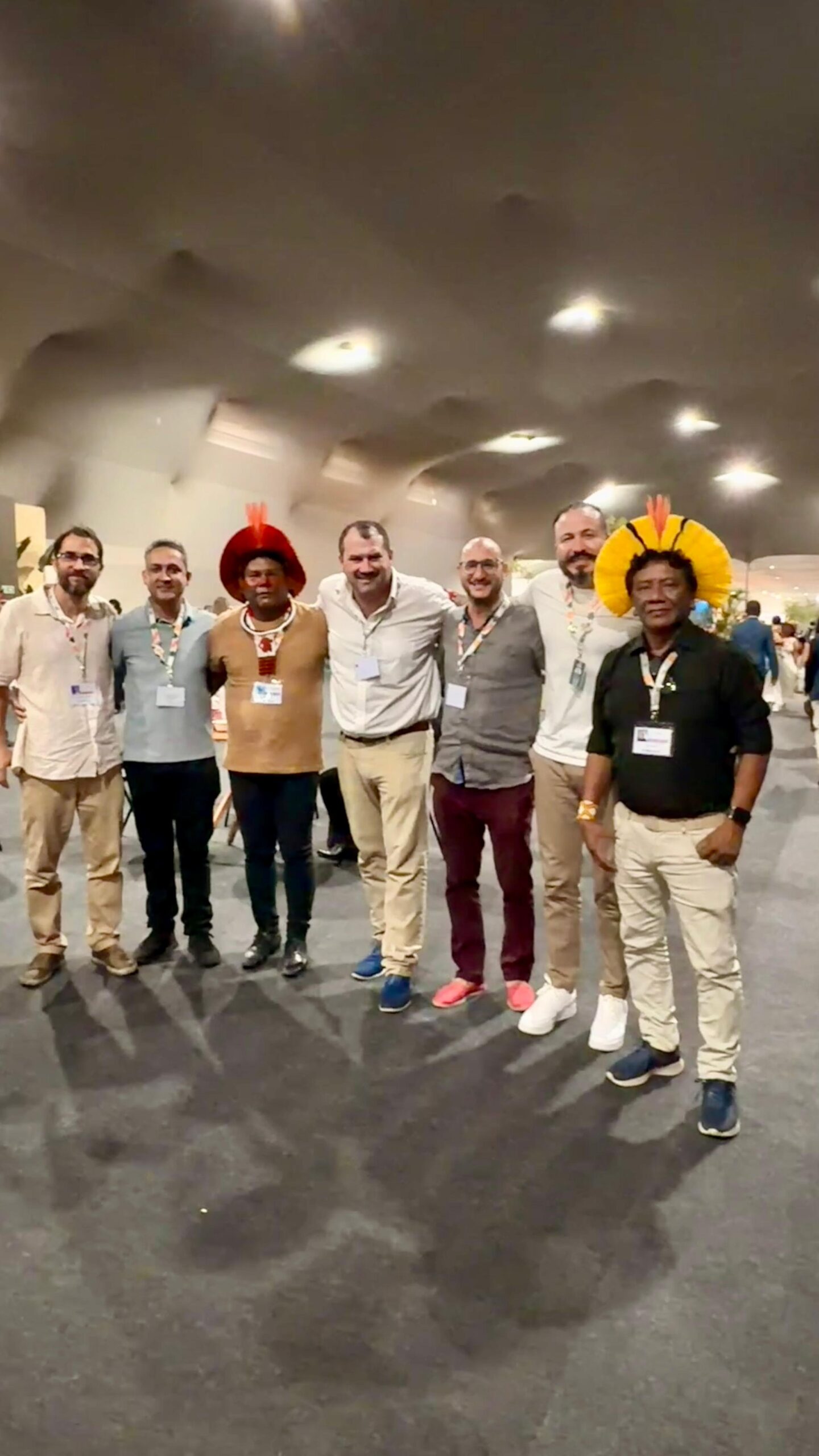
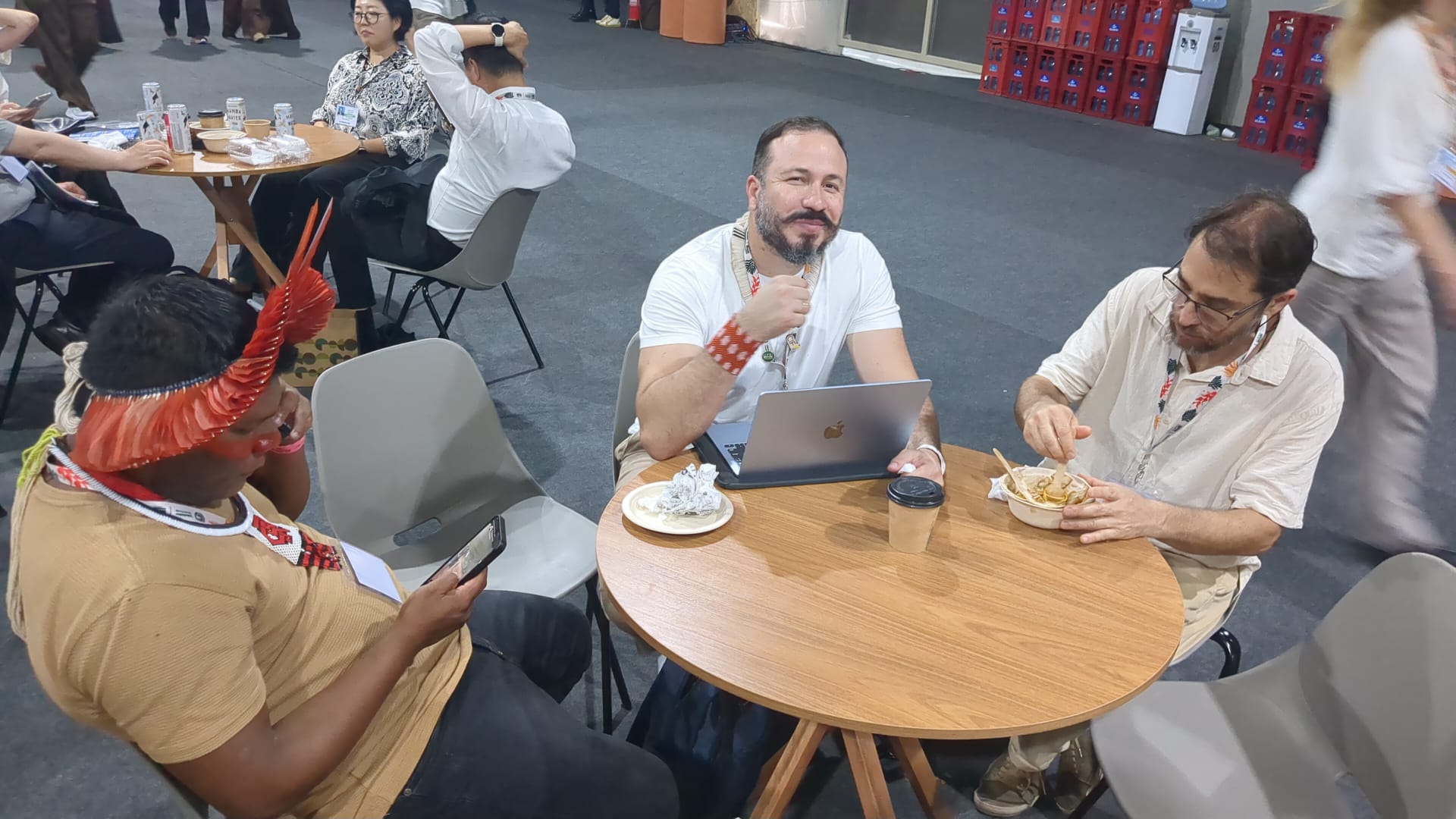
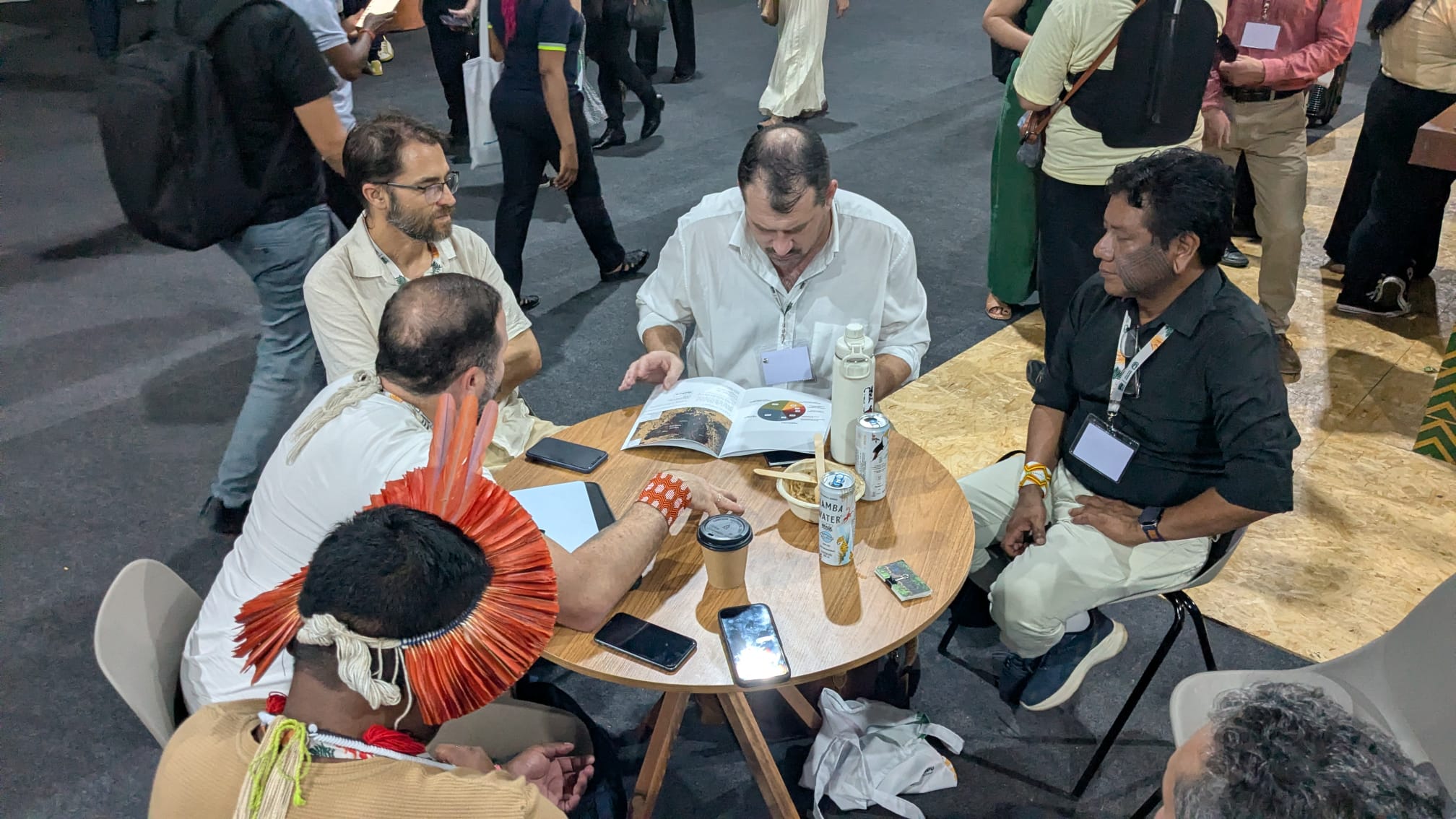
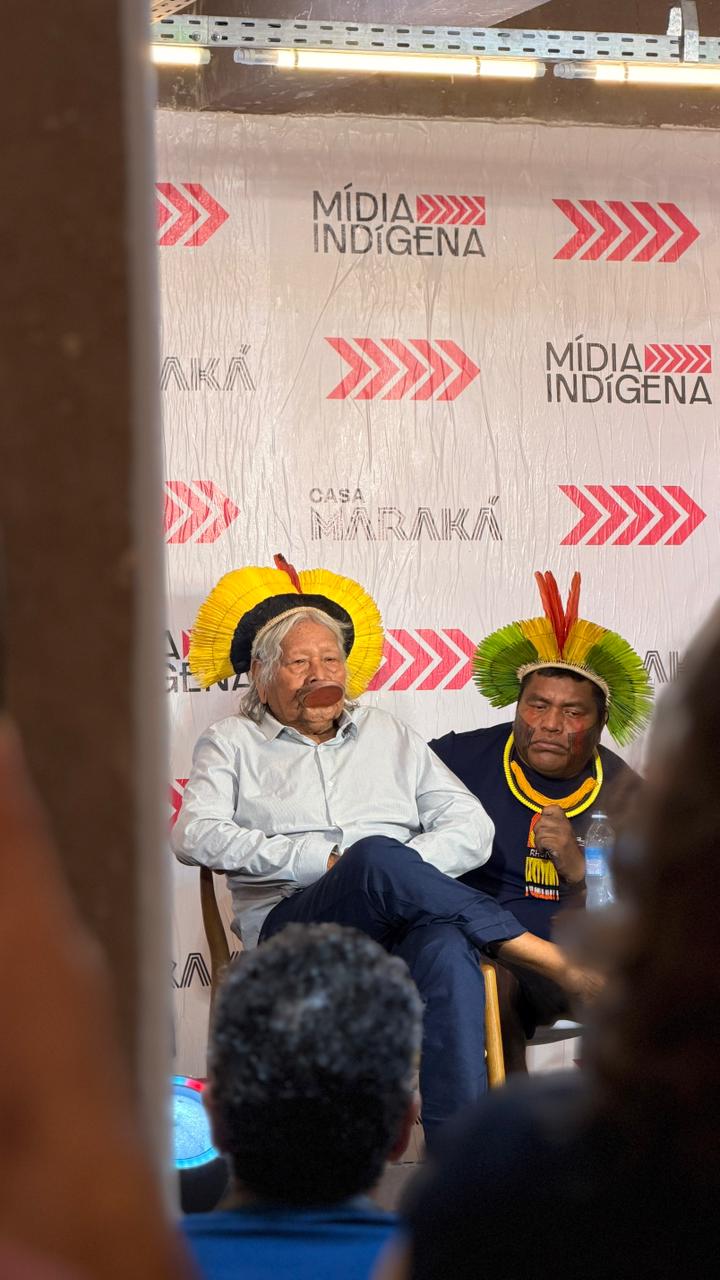
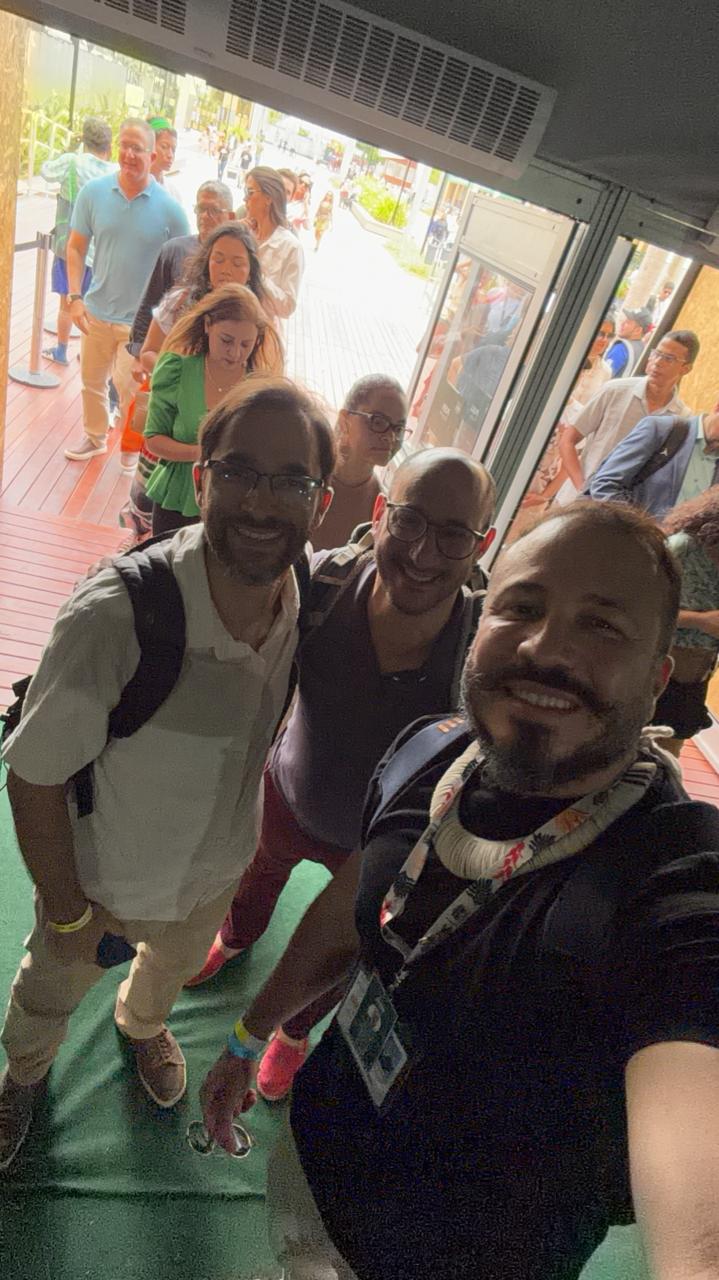
The Kayapo and their representatives will participate in events across the Blue Zone, Green Zone, and parallel spaces throughout COP30, bringing the voice of the forest directly to the world stage. The Kayapo Project will be there to help shape a COP30 where:
World leaders recognize the critical role the Kayapo and other Indigenous Peoples play in global climate action.
Kayapo voices and perspectives are included in discussions shaping climate policy.
Kayapo leaders have a platform to share their experiences as a leading example of Indigenous leadership in conservation and climate action.
Kayapo Project at COP30
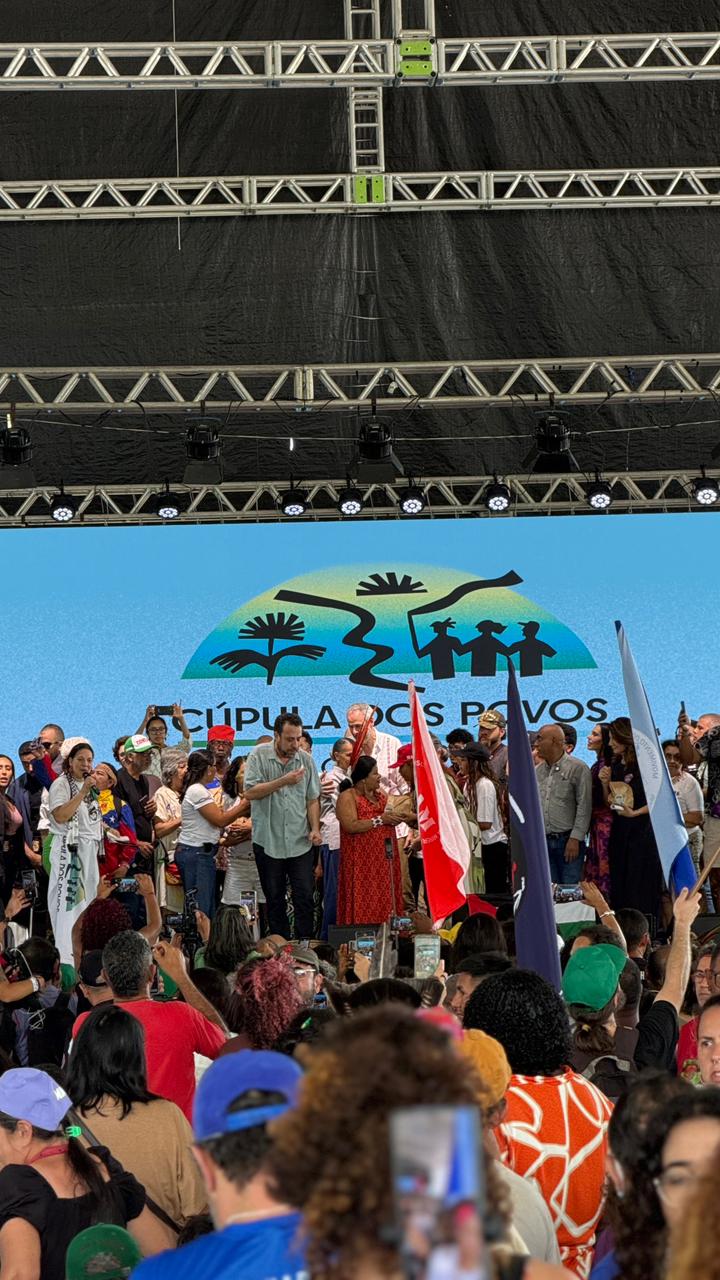
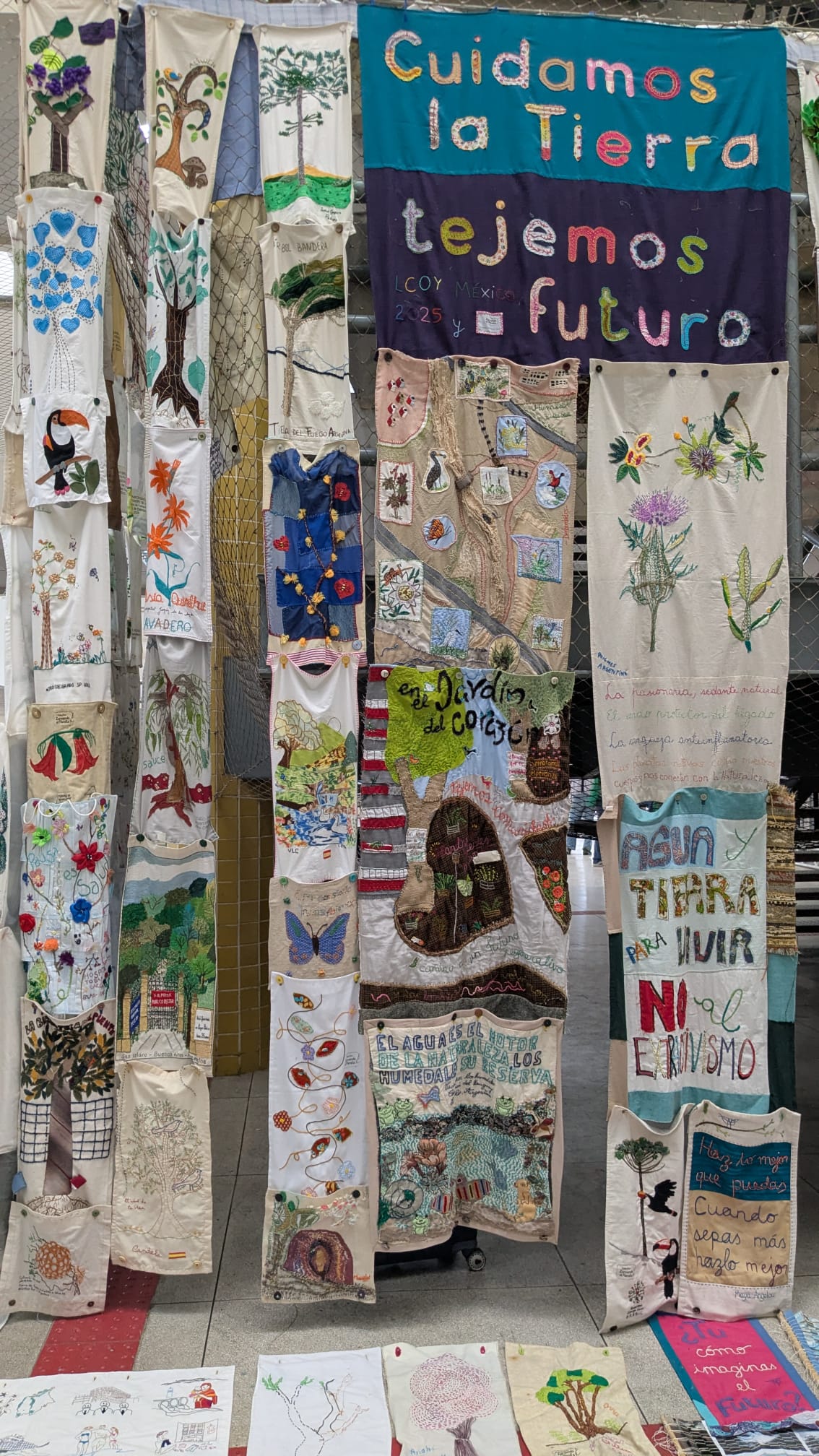
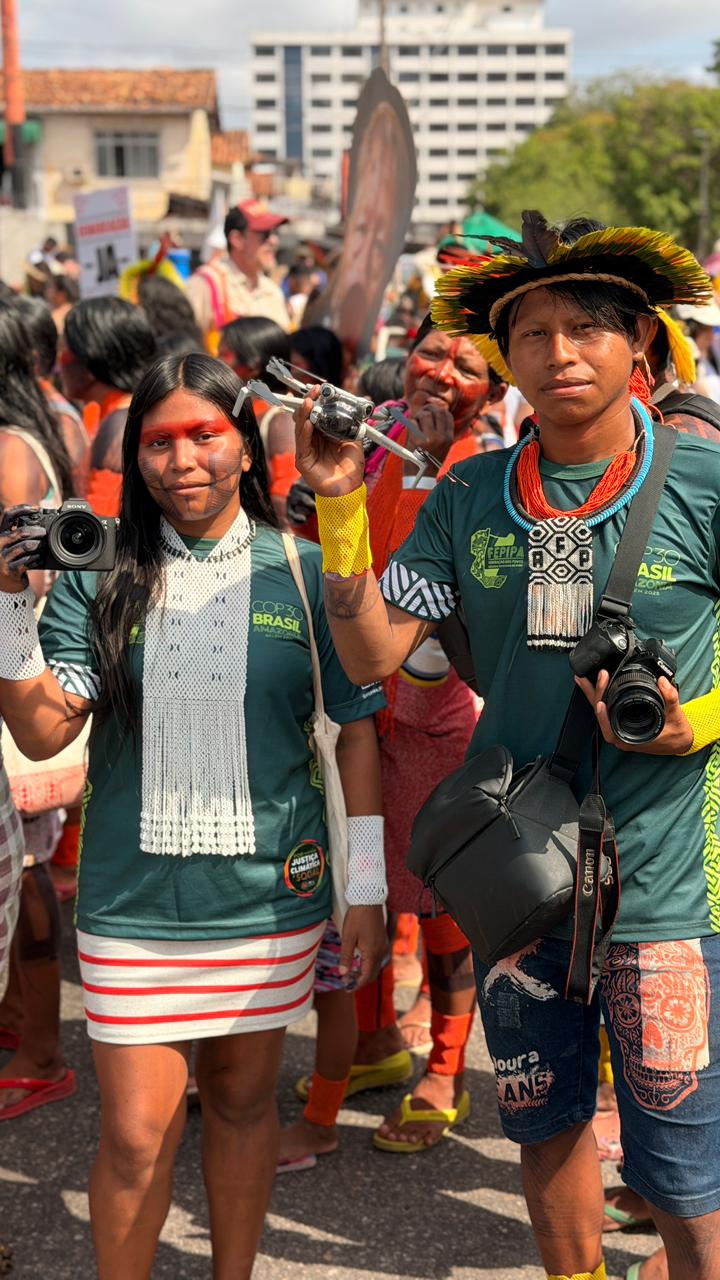
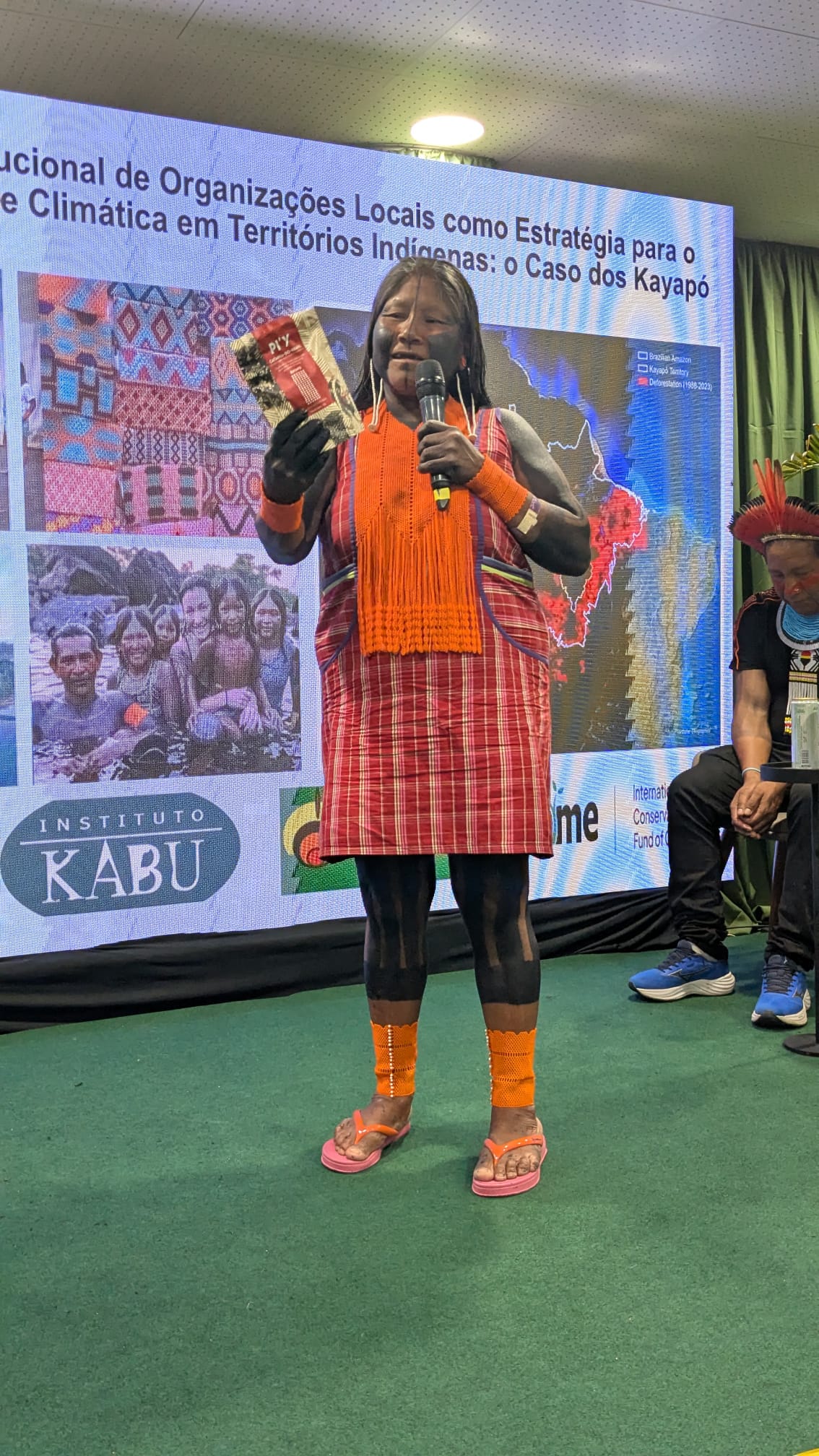
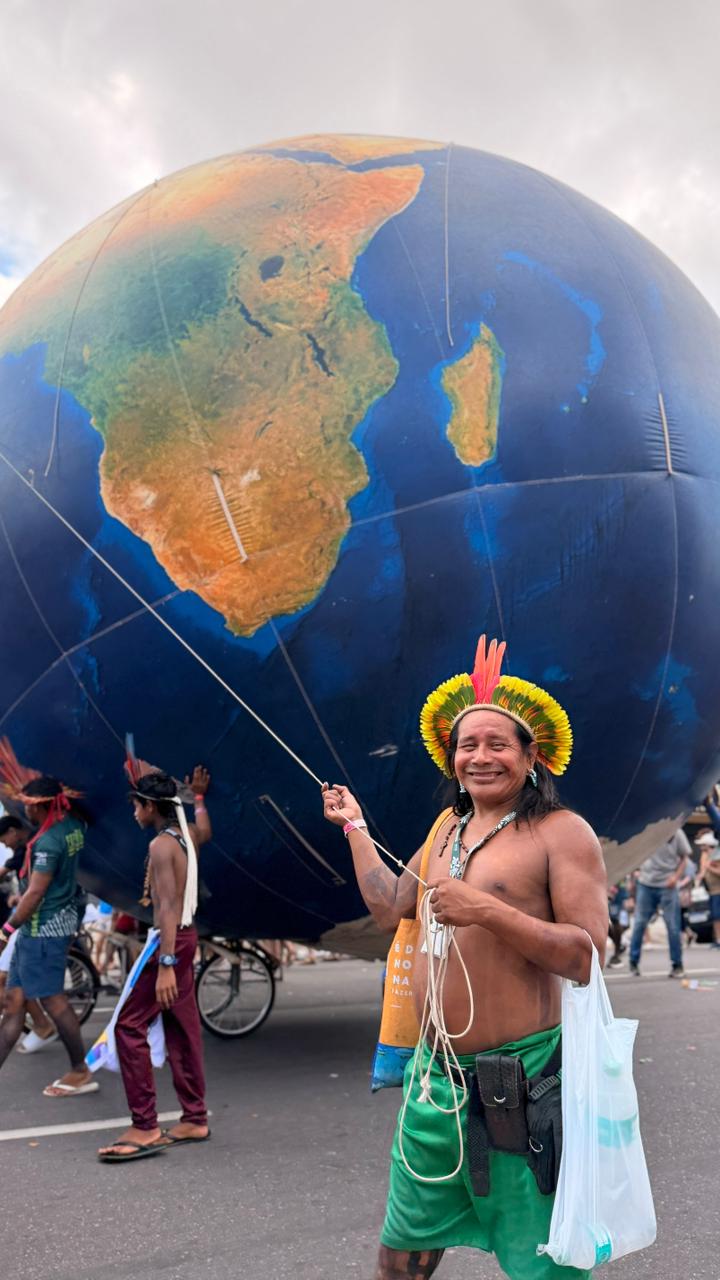
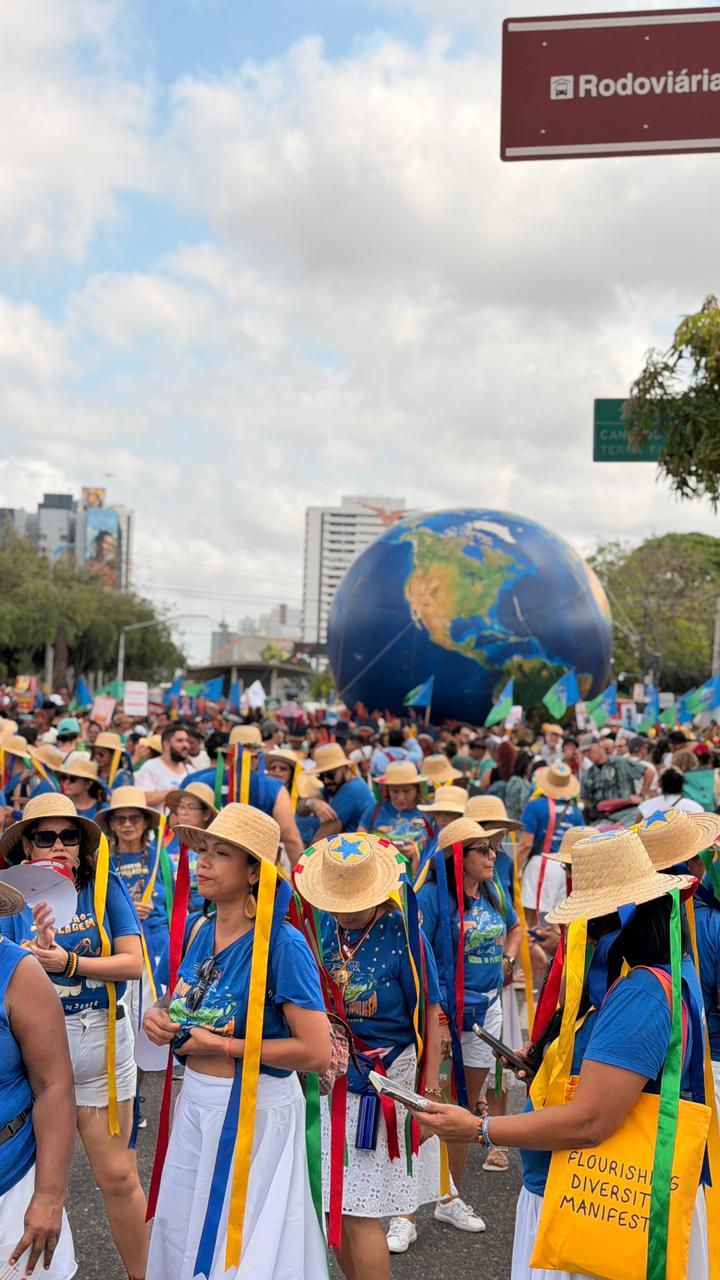
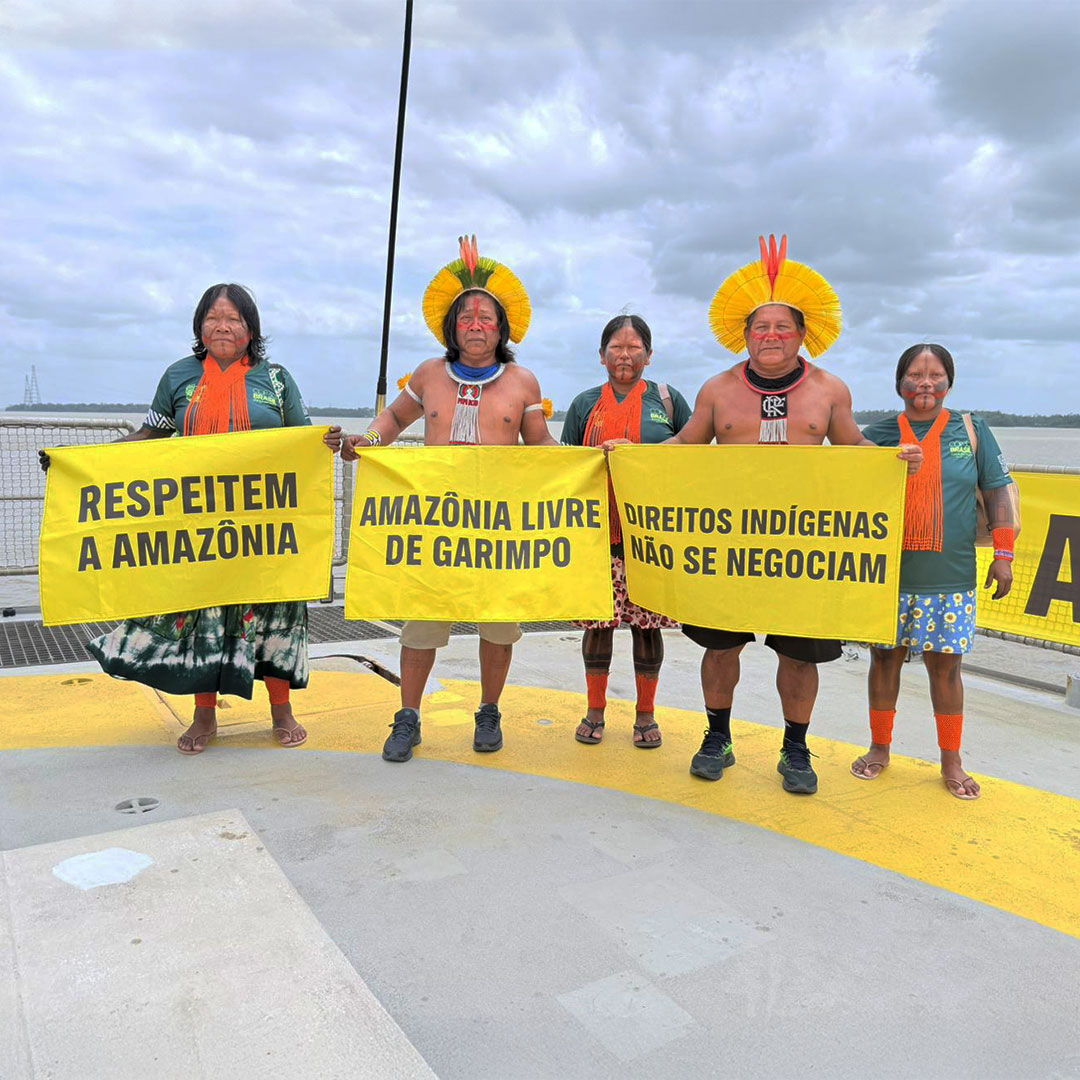
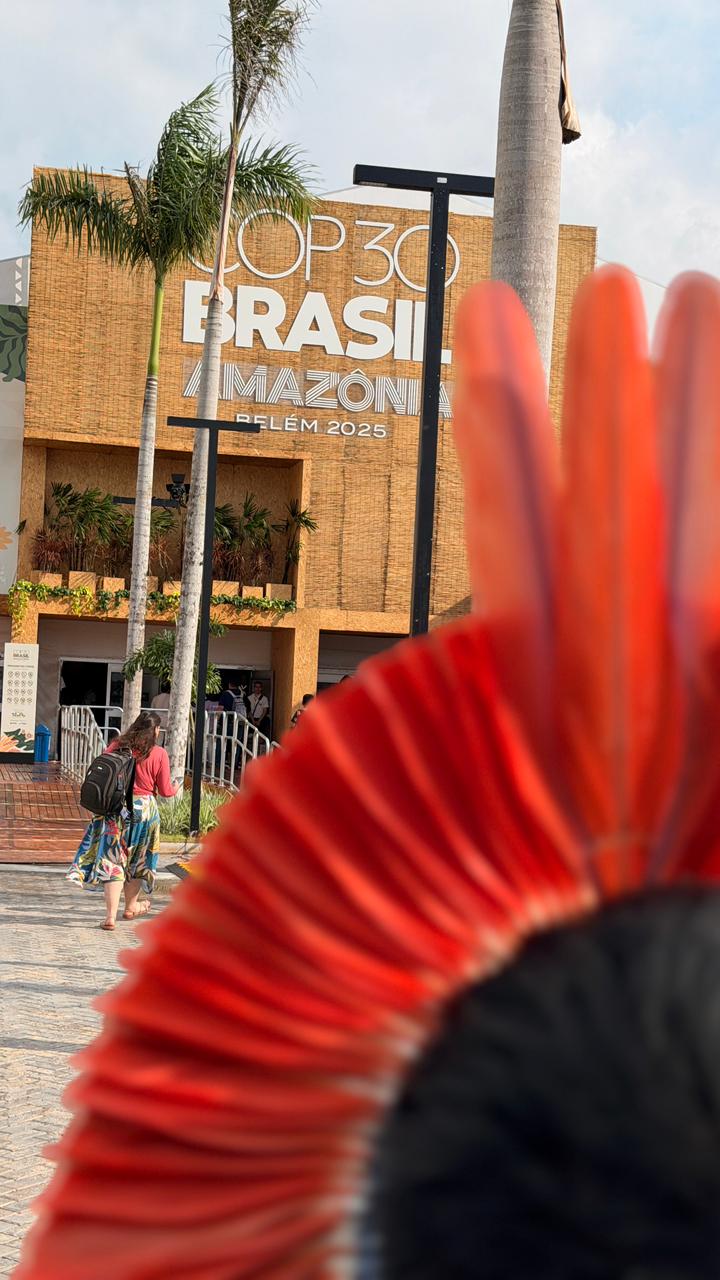
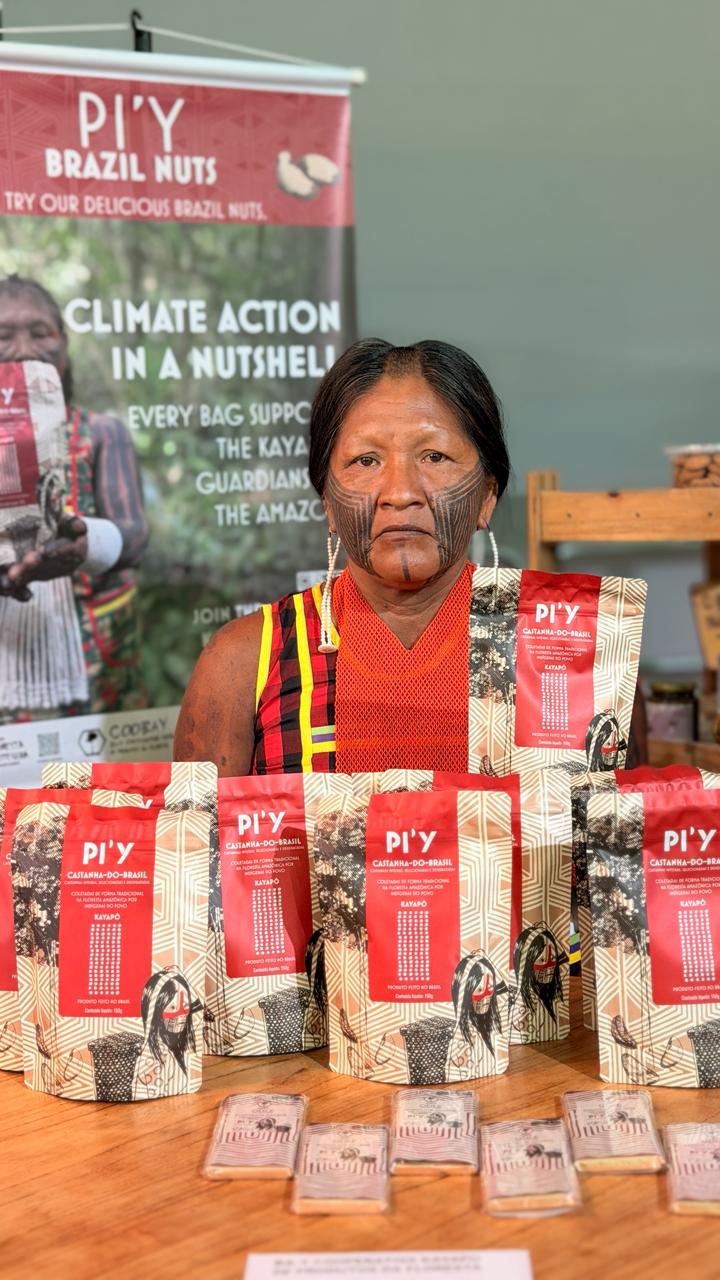
Ongoing coverage from the Kayapo delegation



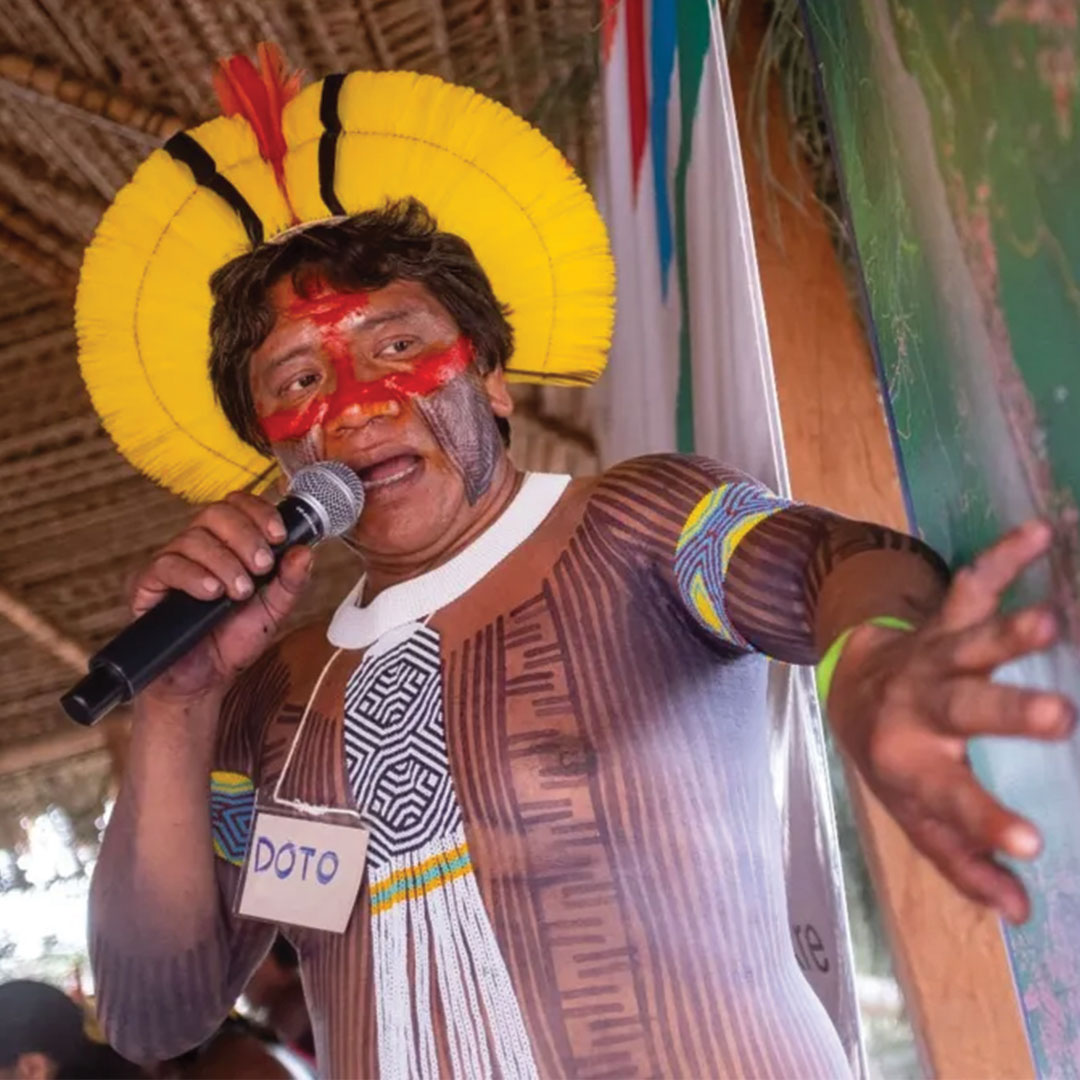
Doto Takakire
President
Instituto Kabu
doto@kabu.org.br
Whatsapp: +55 94 981310030
Junio Esslei
Executive Coordinator
contato@kabu.org.br
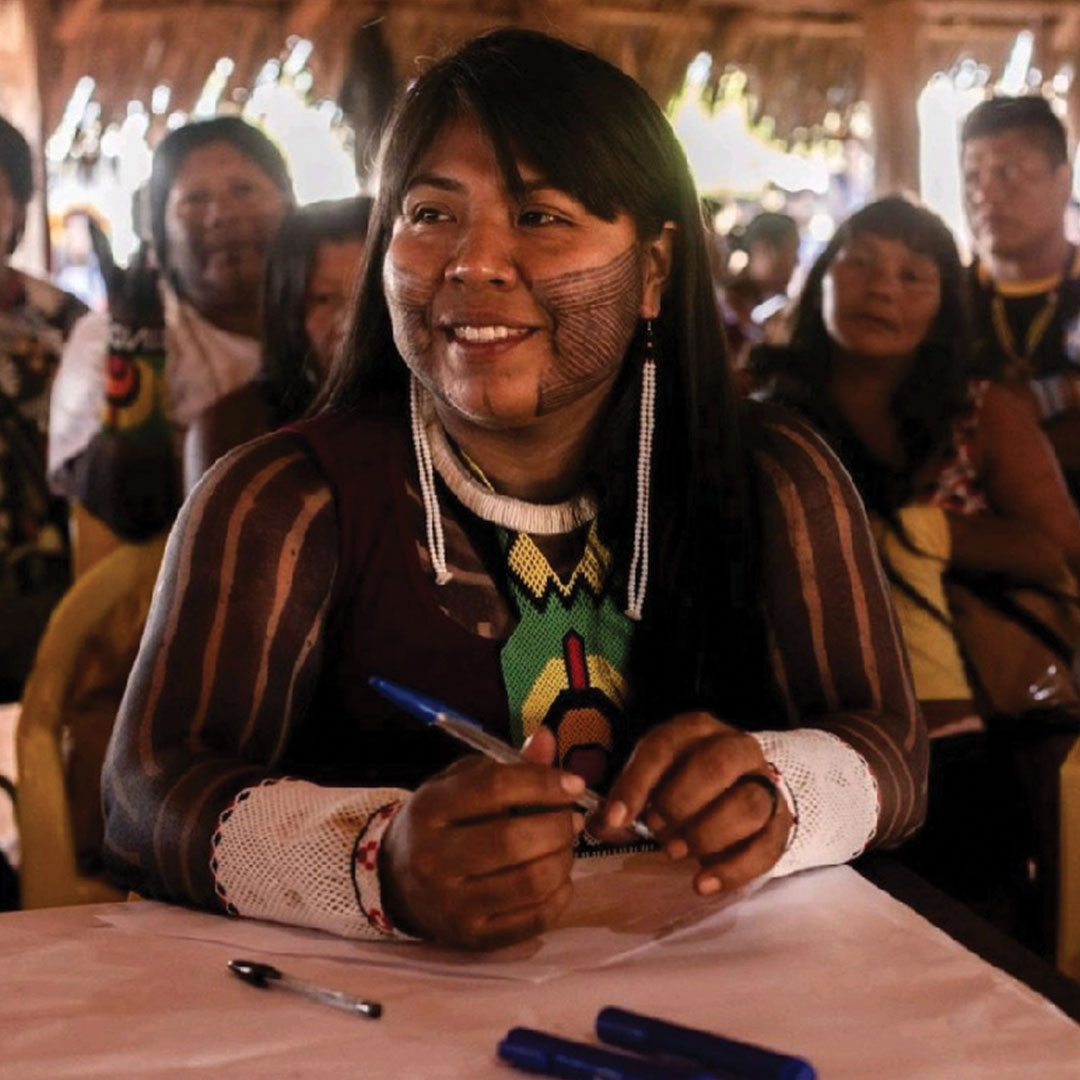
Mayalu Waurá Txucarramãe
Executive manager
Instituto Raoni
coordenacaoexecutiva1@institutoraoni.org.br
Whatsapp: +55 66 999291301
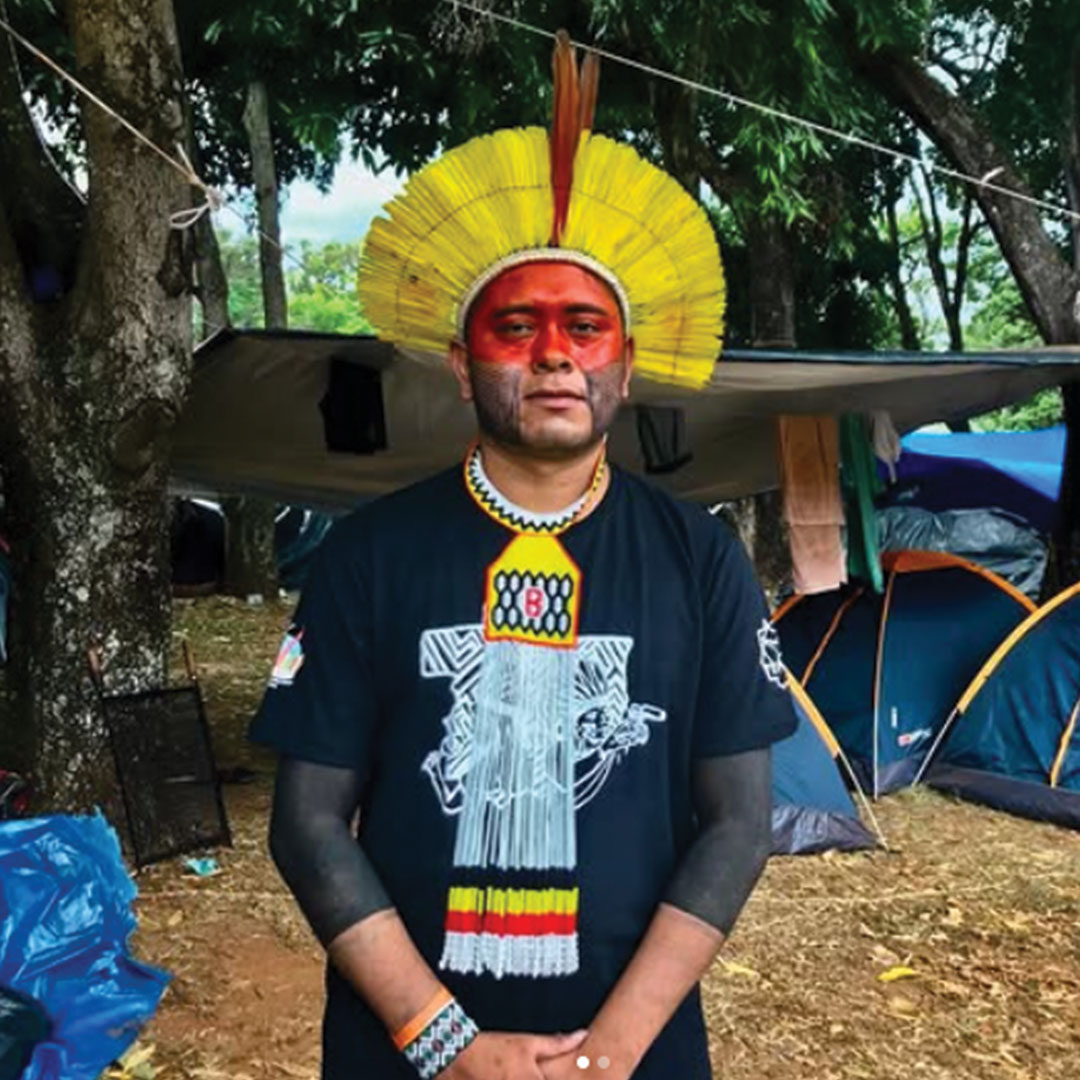
Beptuk Metuktire
Manager
Instituto Raoni
beptuk@institutoraoni.org.br
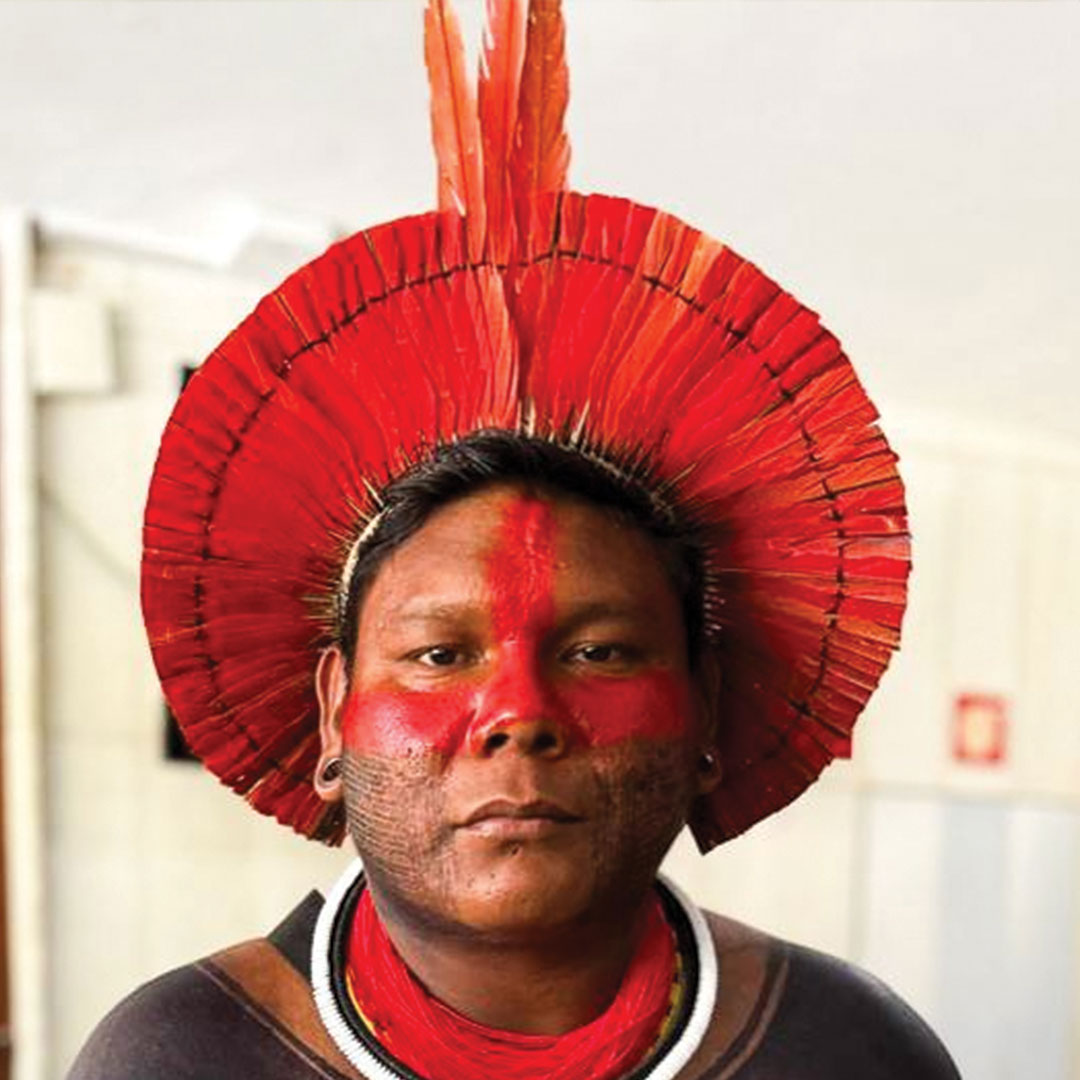
Patkore Kayapó
President
Associação Floresta Protegida
patkorekayapo@florestaprotegida.org.br
Whatsapp: +55 94 984049636
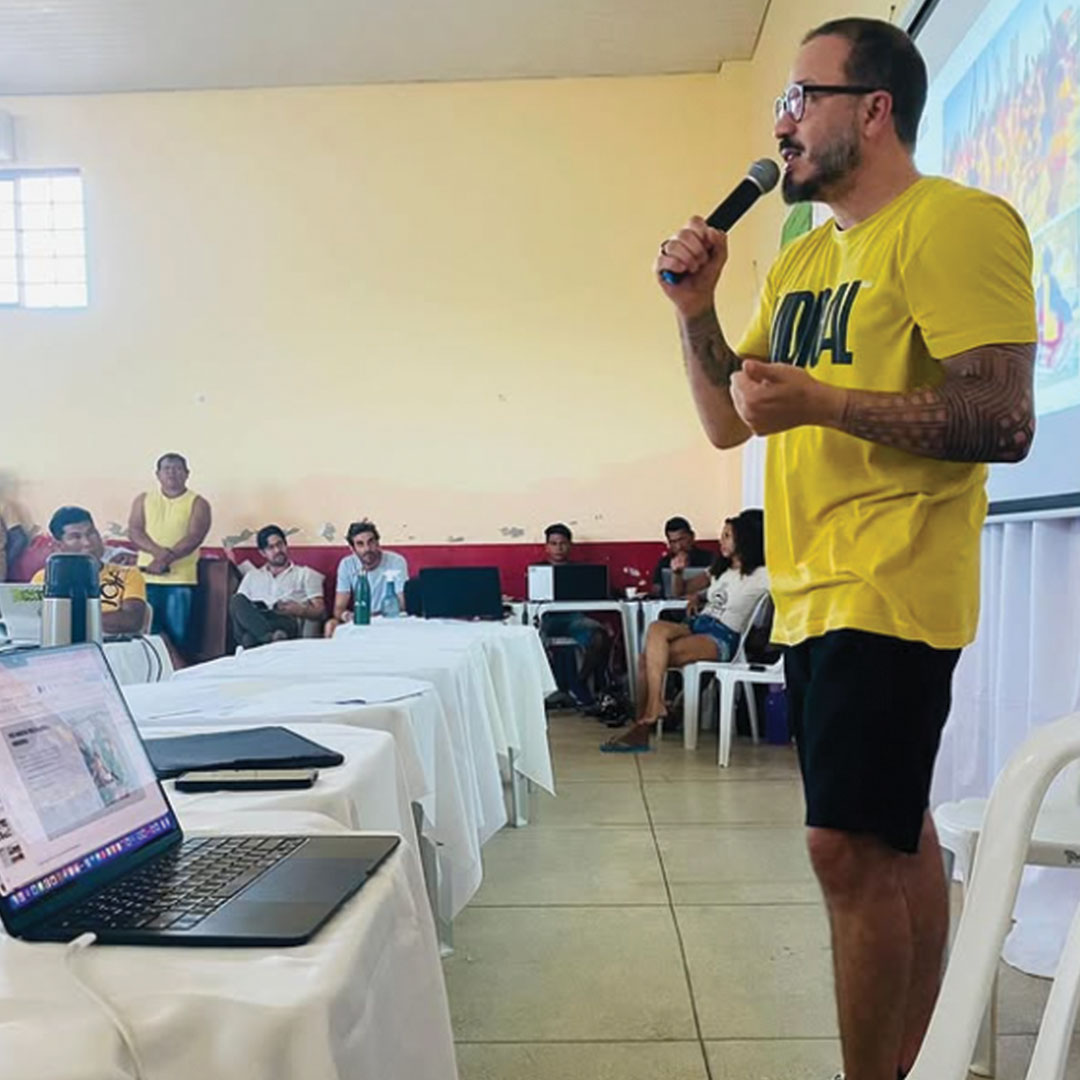
Thiago Schinaider
Executive Coordinator
Associação Floresta Protegida
schinaider@florestaprotegida.org
Whatsapp:

Matthew Aruch
Director Indigenous Conservation Programs
Biome Conservation
aruch@biomeconservation.org
Adriano Jerozolimski
Director Kayapo Project, Brazil
Biome Conservation
pingo@biomeconservation.org
Whatsapp: +55 94 991525726
November 11
1/ ⏱️ 18:00 – 19:00
CISAM: Vozes Amazônicas e Ciência Colaborativa para a Ação Climática Esta proposta enfatiza o papel do CISAM como um espaço inclusivo de colaboração entre cientistas, povos indígenas, comunidades tradicionais, jovens e a sociedade civil para construir soluções coletivas e sustentáveis diante das mudanças climáticas. O objetivo é inspirar o público da Green Zone, mostrando experiências concretas do CISAM que aliam pesquisa científica, educação e saberes locais, reforçando a necessidade de ações enraizadas na Amazônia para gerar impactos globais.
Prédio da Economia Criativa, Zona Verde
November 12
1/ ⏱️ 13:15 – 2:45pm (Tentative)
Climate Change & Biodiversity Loss: Leveraging COP30 outcomes in Belem for CBD COP 17 in Yerevan
Side Event Room 9, Zona Azul
2/ ⏱️ 14:00 – 15:00
Interciências para conservação ambiental e combate às mudanças: relações entre conhecimento tradicional e científico
Moderação: Leandro Juen
Painelistas: James Moura (UNILAB) Bruno Martinelli (MCTI) Renata Pinheiro (CI) Doto Takak Ire (Instituto Kabu) Páscoa Sarmentola – representação Quilombola
📍UFPA stand, Blue Zone
November 13
1/ ⏱️14:25 – 15:15
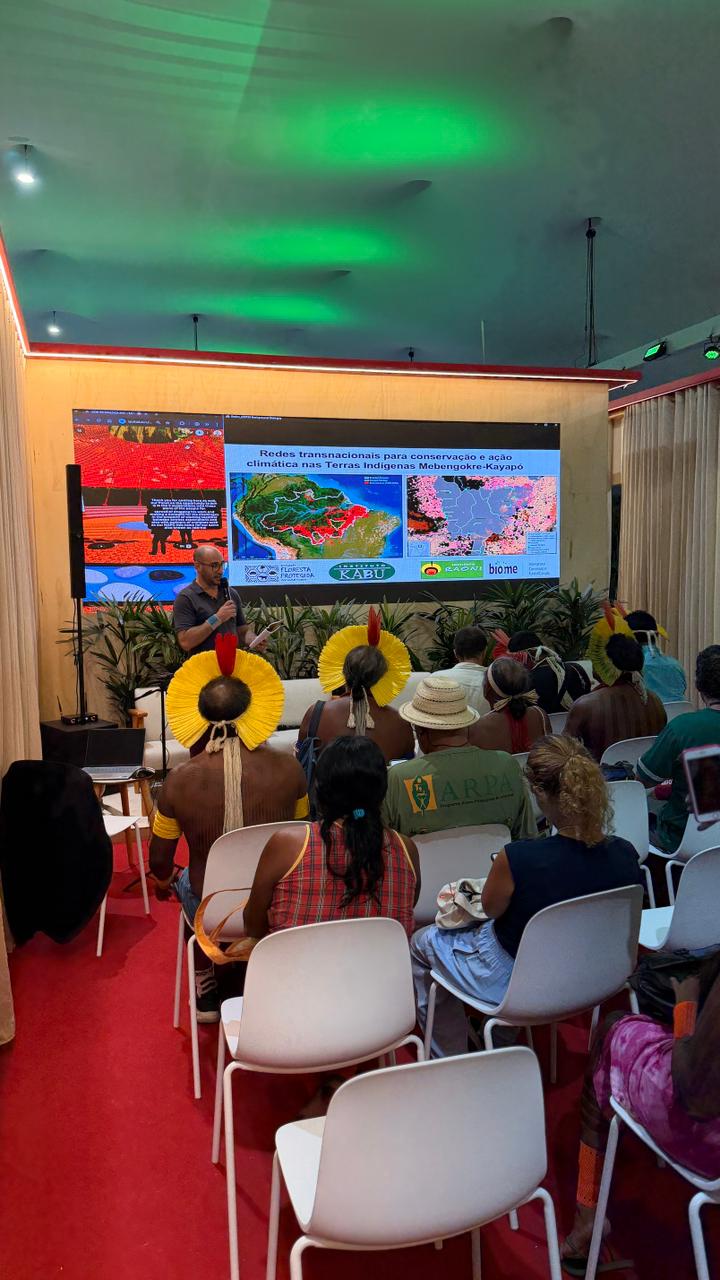
Redes transnacionais para conservação e ação climática nas Terras Indígenas Mebengokre-Kayapó
Pavilhão do Círculo dos Povos, Zona Verde
November 14
1/ ⏱️ 14:00 – 16:00
Mercados e Investimentos – Aliados da Sociobioeconomia da Amazônia”
O painel reunirá parceiros multissetoriais que impulsionam um modelo econômico baseado na ética, na equidade, na inovação e na sustentabilidade. Nosso objetivo é promover o diálogo e a construção de soluções colaborativas em torno da sociobioeconomia, fortalecendo caminhos para um desenvolvimento sustentável e inclusivo.
📍 Casa Niaré – R. Bernal do Couto, 791, Umarizal – Belém/PA
2/ ⏱️ 18:00 – 19:00
Histórias de Sucesso: Amazônia e Comunidades
Objetivo: Encerrar o dia com relatos inspiradores de iniciativas comunitárias de conservação, restauração e turismo sustentável.
Moderação: Thaísa Michelan.
Participantes: Associação Yakyô (Povos Panará). Doto Takak Ire – Instituto Kabu (Povos Kayapó). Renata Pinheiro (CI) – James Moura (CAPACREAM)
📍 UFPA stand, Blue Zone
November 15
1/ ⏱️8:00 – 12:00
Marcha Global
Mercado de Sao Bras
2/ ⏱️15:00-16:00
Standing Forests, Agreements in Practice: Dialogue between Chief Raoni and Climate Negotiators
Climate Funds Pavillion #C83 Blue Zone
3/ ⏱️ 18:30 – 19:20
Fortalecimento institucional de organizações locais como estratégia para o enfrentamento da crise climática em territórios indígenas: o caso dos Kayapó
Sala Castanheira, Para Pavilion, Zona Verde
November 17
1/ Marcha Indigena ‘A resposta somos nos’
UFPA
2/ ⏱️ 10:00 – 11:00
Proteção das terras indígenas e operações de desintrusão e governança territorial: avanços, desafios e interfaces com a crise climática
Ministerio dos Povos Indigenas, Samauma, Zona Azul
3/ ⏱️ 18:00 – 19:00
Conexões de campo: ciência + comunidades
Encerrar o dia celebrando experiências que unem pesquisadores, povos tradicionais e juventudes em ações de conservação e educação.
Moderação: Bruno Martinelli (MCTI)
Painelistas: Doto Takak Ire Instituto Kabu (Povos Kayapó) Associação Yakyô (Povos Panará) CI ISA
November 18
1/ ⏱️ 9:00 -12:00
Menire – as mulheres do povo Mebêngôkre-Kayapó: RESISTÊNCIA, LUTA E ESPERANÇA DA FLORESTA
CONFERÊNCIA NACIONAL DOS BISPOS DO BRASIL REGIONAL NORTE II (PARÁ E AMAPÁ
Trav. Barão do Triunfo, Nº 3151 – Belém – Pará, Casa Parallelo
2/ ⏱️16:30 – 17:20
“Vozes da Amazônia: Perspectivas Indígenas sobre o Clima e Soluções baseadas na Natureza”
Casa Vozes do Oceano, Casa Parallelo
November 19
⏱️8:30 às 12:00
⏱️13:30 às 17:30
Oficina de Bioenonomia.
Casa Niaré -R. Bernal do Couto, 791 – Umarizal, Belém
Programação
🕒 17:00 p.m. – 18:00 p.m
Painel: Proteção dos Territórios Indígenas e o Enfrentamento da Crise Climática
Painelistas:
– SEDAT/MPI Funai IBAMA UNODC Associação Floresta Protegida (Kayapó) Wakoborun (Munduruku)
🗓 Data: 19 de novembro de 2025
📍Lugar: Aldeia Cop
👉 Organização: Ministério dos Povos Indígena
The journey to COP30 is underway — more to come soon.
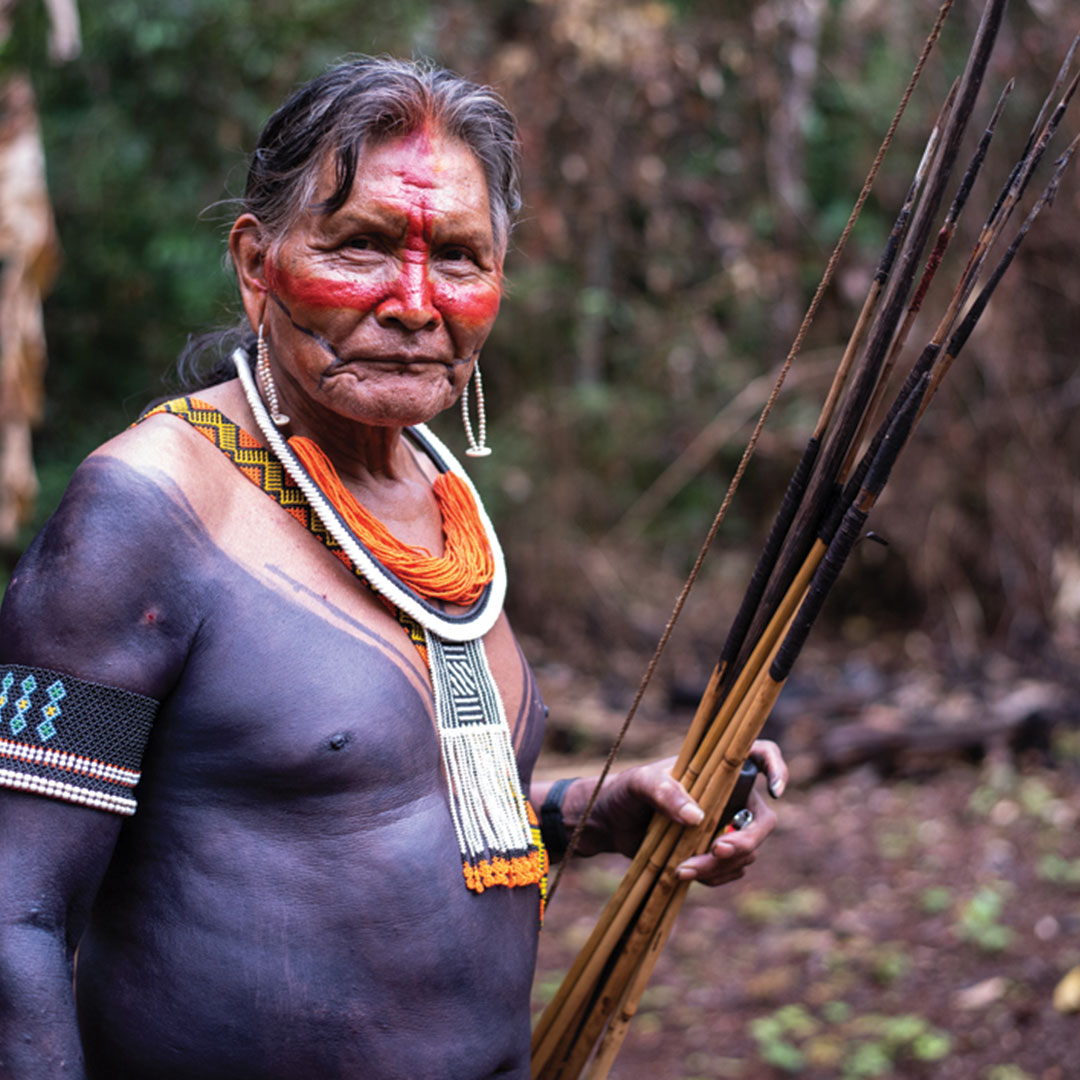
MEET THE MEBENGOKRE-KAYAPO
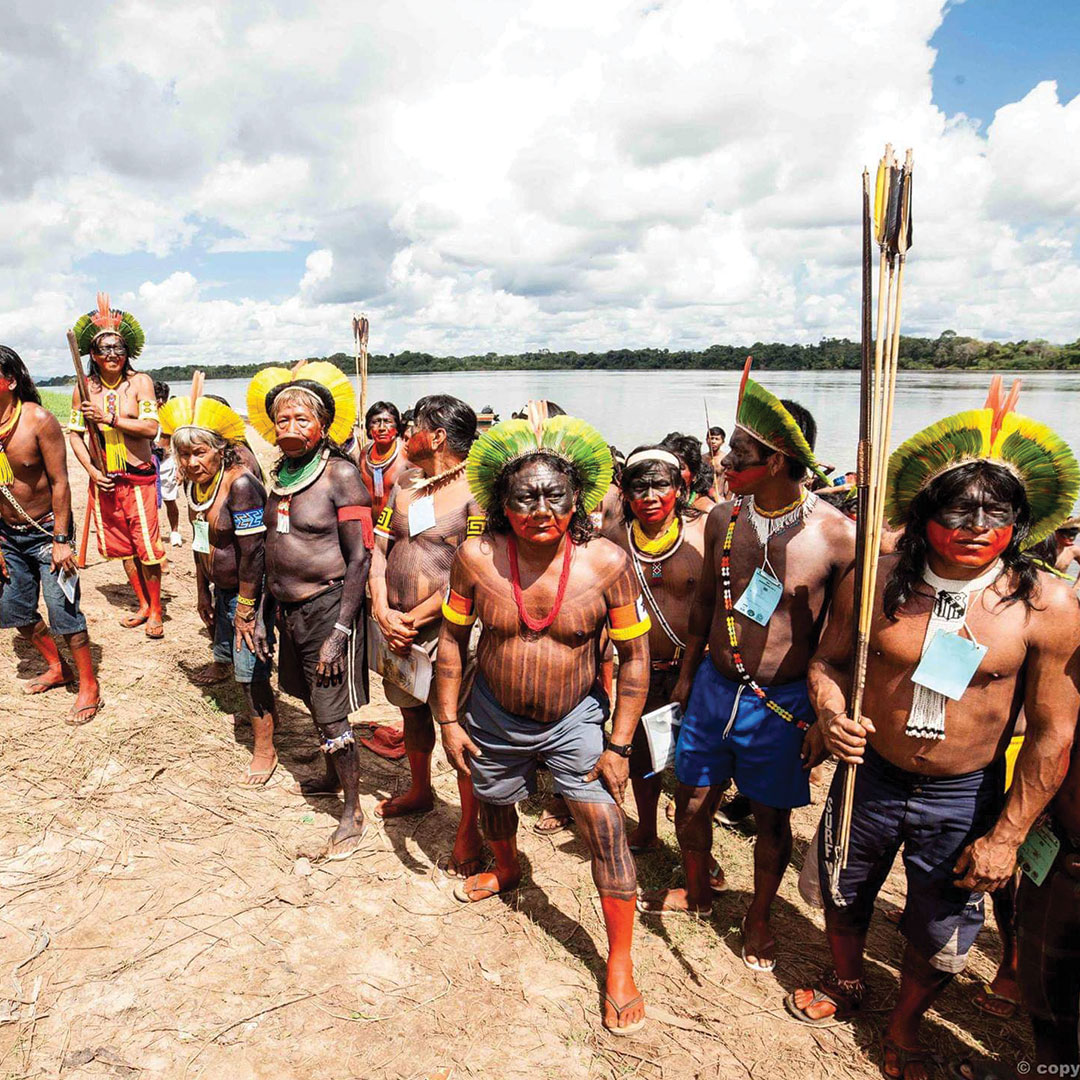
The Mebengokre-Kayapó people inhabit one of the largest Indigenous territories in the world, in the southeastern Amazon, between the southern state of Pará and the northern state of Mato Grosso. About 12,000 Kayapó people currently inhabit almost 100 villages located in six federally demarcated Indigenous Territories (Badjônkore, Baú, Capoto/Jarina, Kayapó, Las Casas, and Menkragnoti), totaling an area of approximately 11 million hectares in south-central Pará and northern Mato Grosso at what is known as the “arc of deforestation.”
In recent decades, the Kayapo experienced enormous pressure with the arrival of roads, hydroelectric dams, the opening of large farms, illegal mining, and the exploitation of minerals and timber. In this context, between the 1980s and the early 2000s, visionary Kayapo leaders fought to obtain official recognition and permanent, exclusive rights over a contiguous block of their traditional territories. In the early 2000s, the Kayapo established alliances with international NGOs that helped to create and strengthen their own institutions that values Indigenous knowledge and the sustainable use of the forest and the cerrado (Brazilian savanna). This Indigenous-led NGO network became known as the Kayapo Project.
ABOUT THE KAYAPO PROJECT
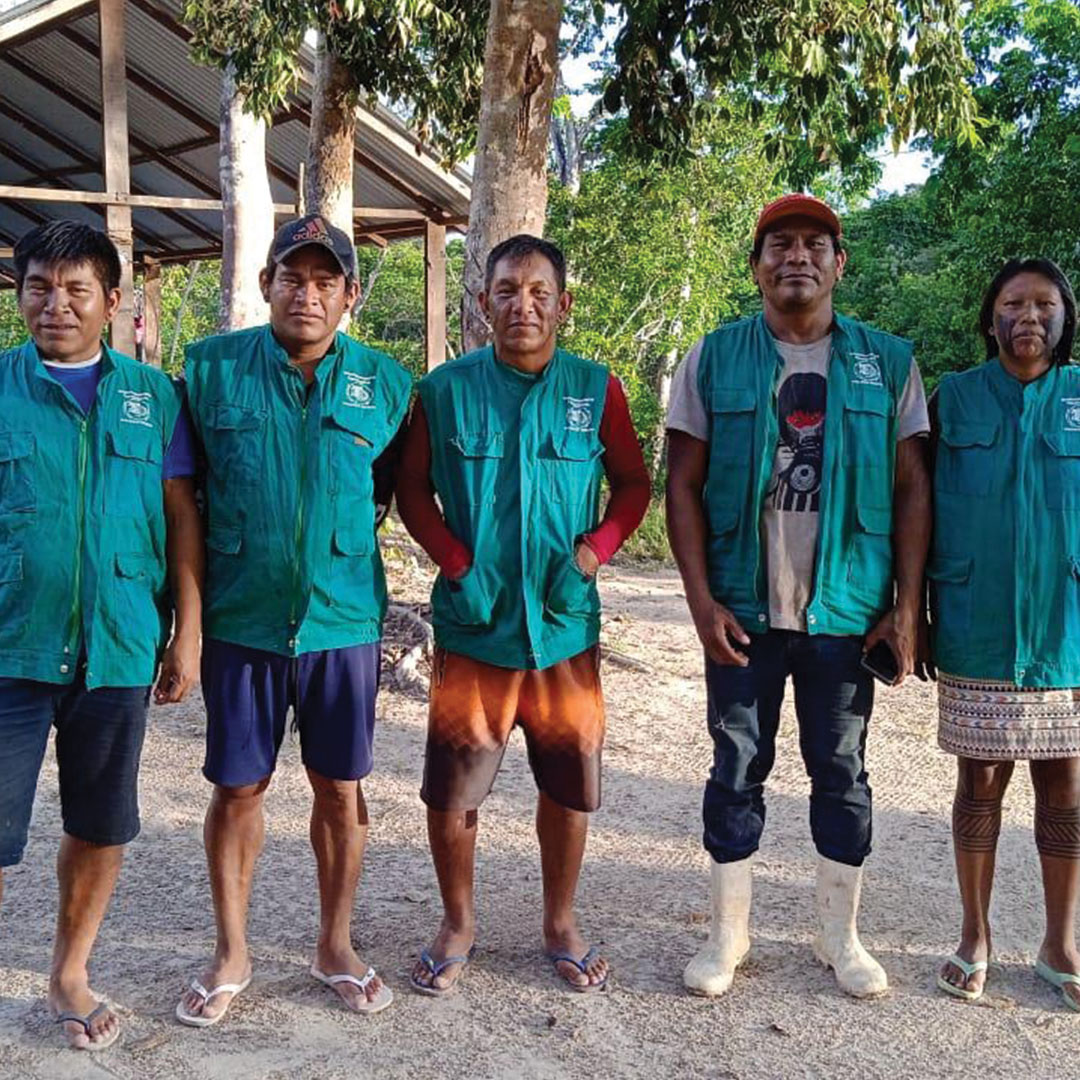
The Kayapo Project is an Indigenous-led NGO alliance supporting Kayapo cultural, economic, political, and territorial autonomy over 9 million hectares of federally demarcated Indigenous lands in the highly threatened southeastern Amazon. It is led by three Kayapo NGOs: the Protected Forest Association (AFP), Kabu Institute (IK) and Raoni Institute (IR) representing communities of the northeast, northwest and southwest sectors of Kayapo territory. The Kayapo organizations receive financial and technical support from trusted external partners like Biome Conservation.

The Kayapo Project strategy has four pillars:
▷ Institutional Strengthening of Kayapo NGOs
▷ Territorial Monitoring and Control (surveillance)
▷ Development of Sustainable Bioeconomy-based Enterprises
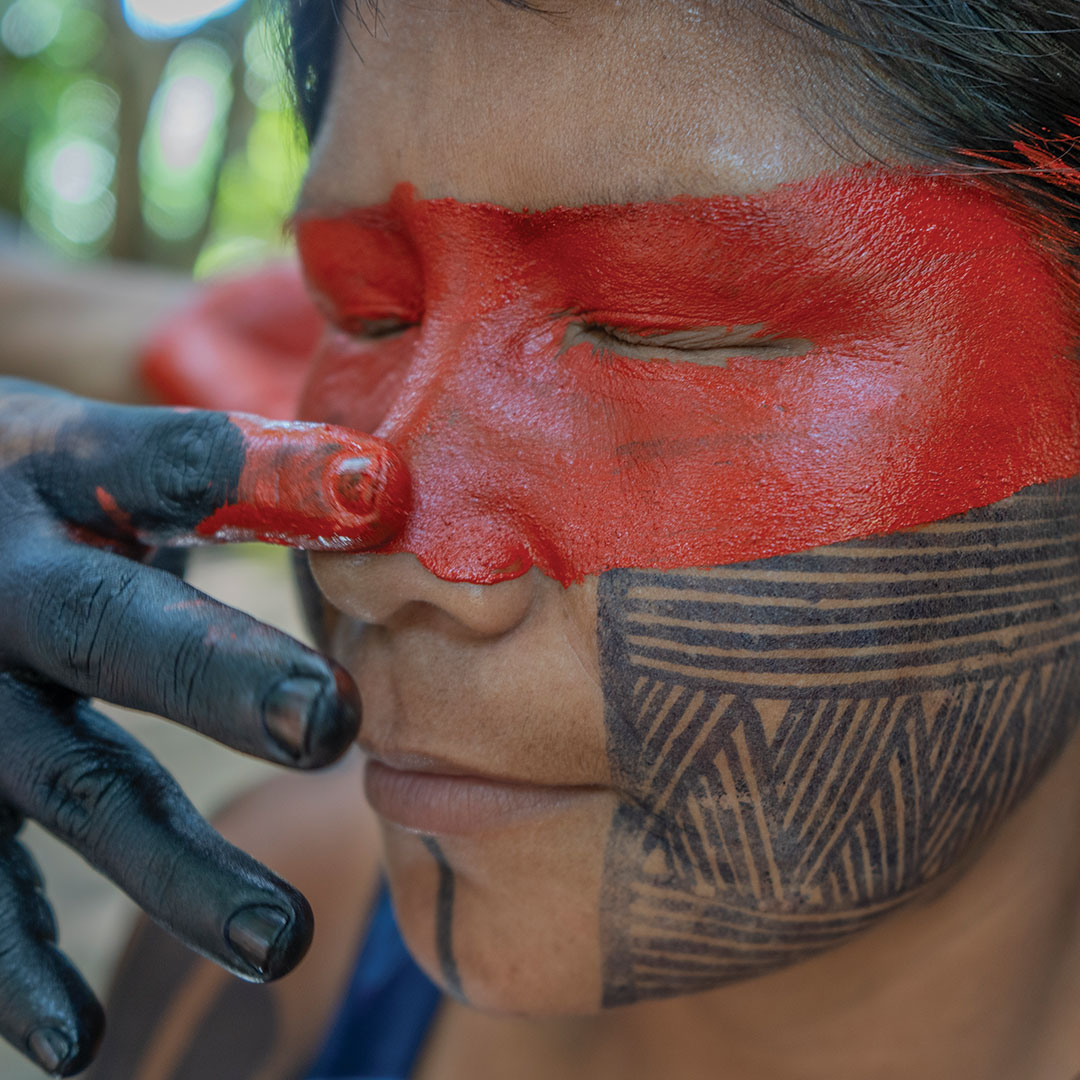
▷ Cultural Valorization through Events, Education, and Communications

Securing Kayapo lands provides important large-scale planetary climate, biodiversity, and environmental benefits.
Climate Impacts
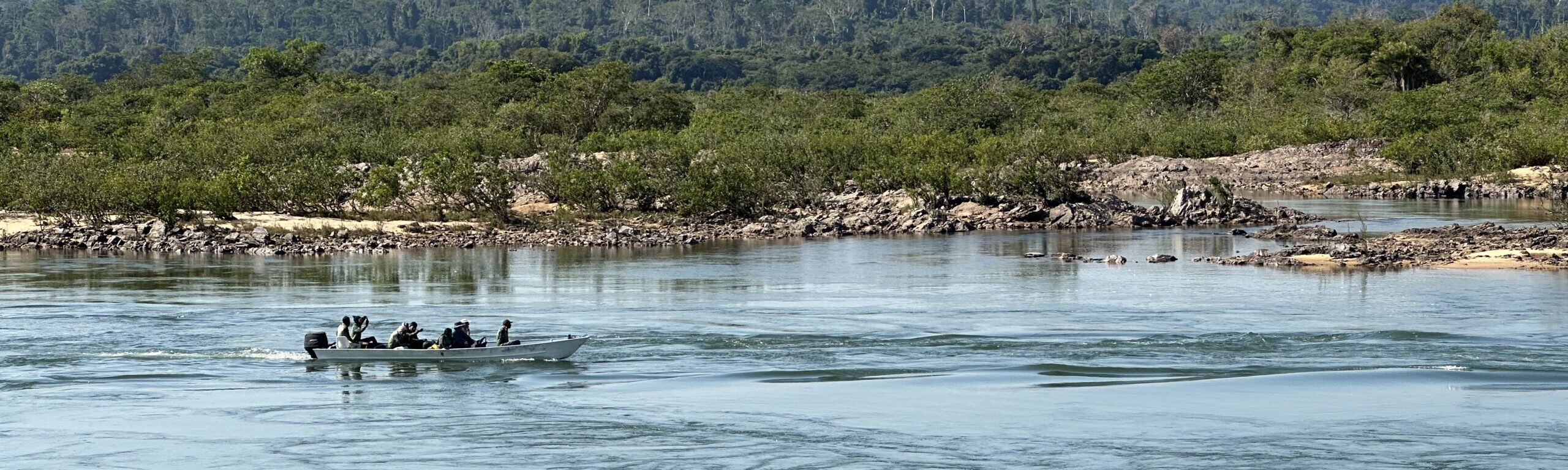
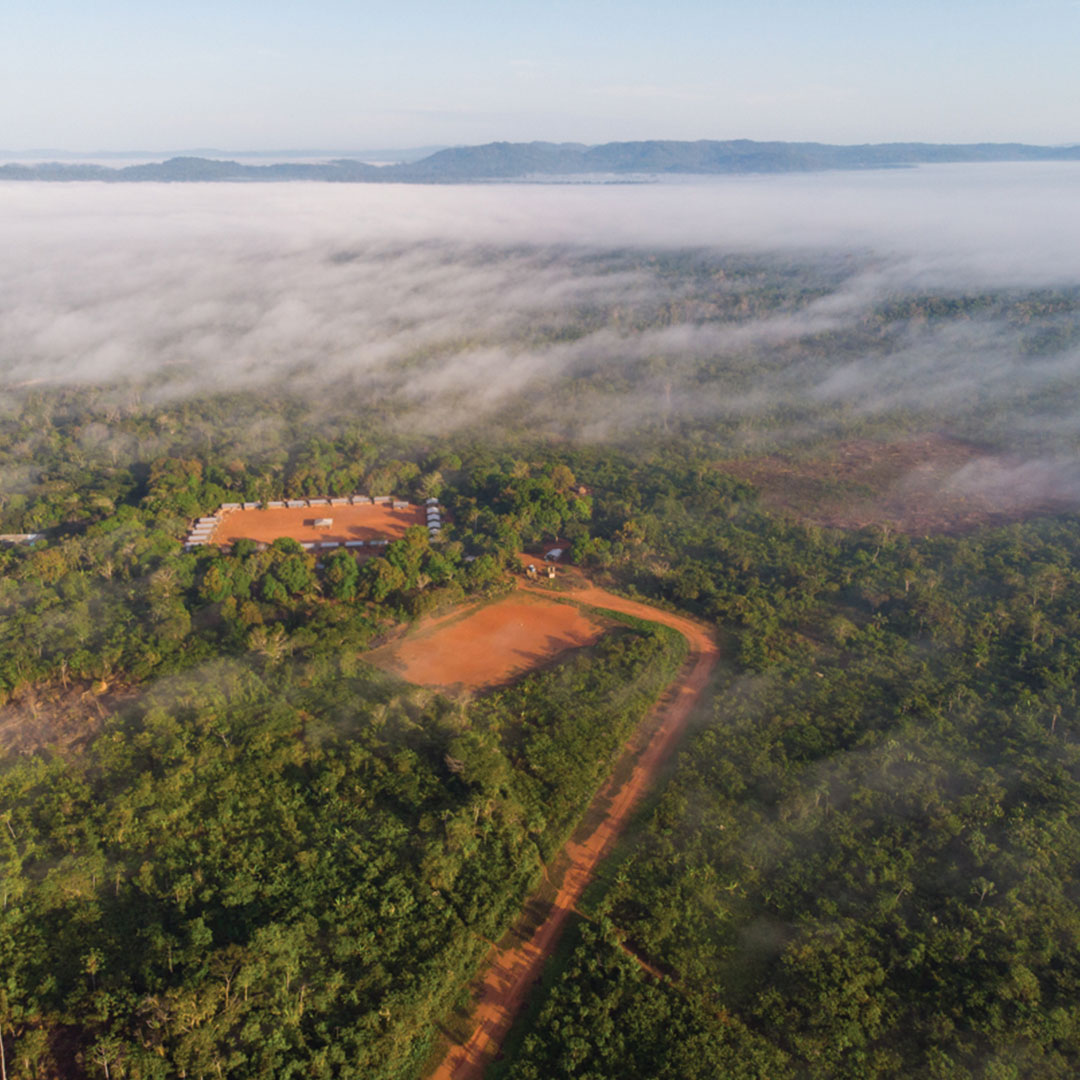
The Kayapo-NGO alliance protects and sustainably manages 9.4M hectares (23.2M acres) of forested Kayapo Indigenous territory. These lands form a critical barrier to deforestation in Brazil’s Xingu River Basin, safeguarding the last major intact forest block in the region, which stores 720M metric tons of above-ground carbon, equivalent to the annual emissions of 574M cars.
BIODIVERSITY AND ENVIRONMENTAL SERVICES
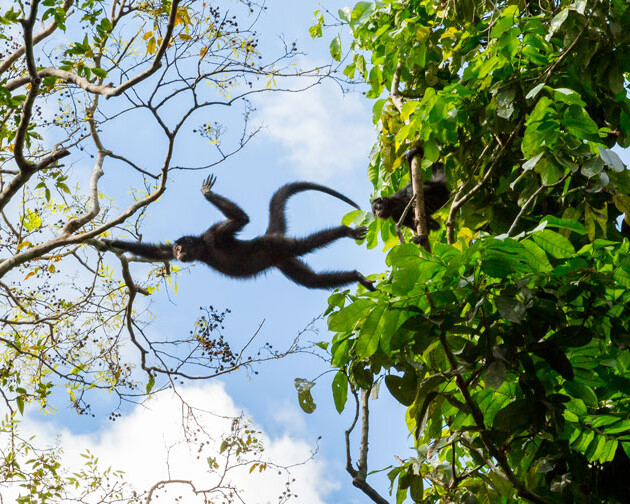
The Amazon is home to about 16,000 plant species, of which 7,000 are tree species, and an uncountable number of animal species. Kayapo Indigenous territories are large enough to protect viable populations of threatened species including tree species that require large landscapes to persist. Surveys have shown that much of the huge block of Kayapo land remains relatively undisturbed as judged by population densities of the more sensitive vertebrate species. Large-bodied mammal and bird species, which are preferred game species of local peoples throughout the Amazon, are abundant in Kayapo territory.
THE KAYAPO PROJECT NGO ALLIANCE
Associação Floresta Protegida
The Associação Floresta Protegida (AFP), started in 1998, represents approximately 3,000 indigenous people from 43 villages located in the Kayapó, Mekragnoti and Las Casas Indigenous Lands, in the south of the state of Pará.
Instituto Kabu
Started in 2008, The Instituto Kabu (IK) brings together 12 affiliated villages in the TIs Baú and Menkragnoti, in southern Pará, where about 200 families and almost 2,000 men, women and children live. The Institute is managed by Indigenous people, who have a small team of professionals committed to using their knowledge of both cultures to advise associated leaders and assist in dialogue.
Instituto Raoni
Created in 2001, the Instituto Raoni (IR) was created to defend the interests of the Kayapo people. Today IR represents 24 villages across three Indigenous territories. The IR not only communities of the Kayapó people, but also the Trumai, Tapayuna and Panará peoples.
Biome Conservation – Trusted International Partner and Fiscal Sponsor Since 2007, Biome Conservation, also known as the International Conservation Fund of Canada has supported the Kayapo peoples’ fight for territorial, cultural, environmental, and political autonomy. Biome Conservation is Canada’s leading and award winning conservation organization committed to supporting biodiversity in the tropics. Biome Conservation supports front-line conservation by local organizations and Indigenous peoples in the tropics.
BIOECONOMY OF THE MEBENGOKRE-KAYAPO PEOPLE
Subsistence activities, such as food production in the fields, hunting, fishing, and gathering forest products, play a central role in the diet of the Kayapó peoples. In the villages, the Kayapo cultivate foods essential to the traditional diet, such as bananas, cassava, pumpkin, sweet potato, yam, taro, papaya, watermelon, and other fruits. In the forest, the Kayapó collect Brazil nuts, honey, açaí, bacaba, pequi, and hunt animals such as peccaries, tapirs, deer, tortoises, and river turtles. The rivers of Kayapó lands are teeming with a diversity of fish species such as pacu, piau, traírão, pintado, pirarara, matrinchã, tucunaré, piranha, bicuda, and others.
These forest and village-based activities ensure Kayapo knowledge is passed down through generations. In recent years, there has been a significant increase in the income of these communities due to the strengthening of income-generating initiatives based on the sale of socio-biodiversity products and services and to greater access by indigenous people to social benefits and wages.
NON-TIMBER FOREST PRODUCTS
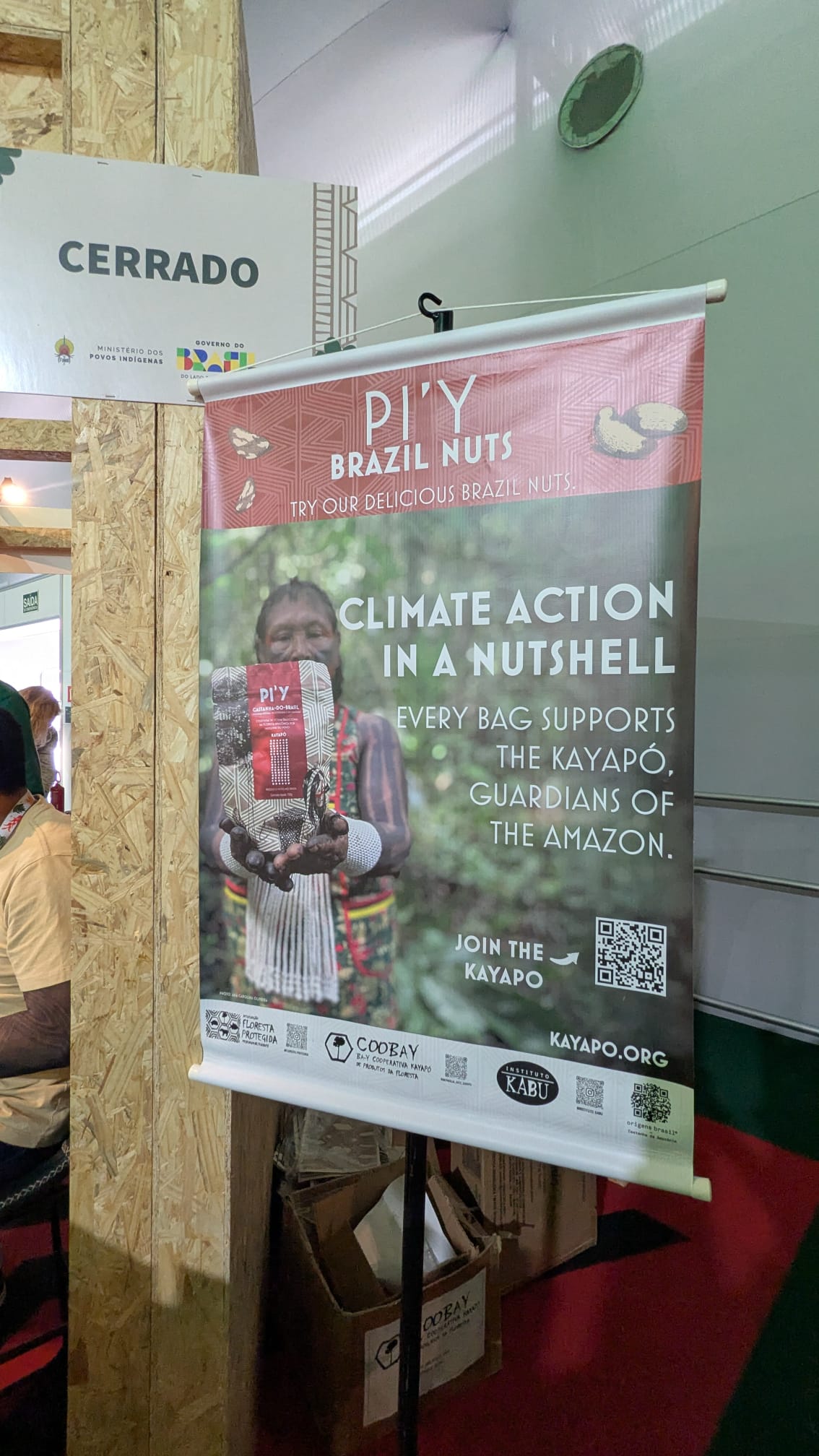
▷ Brazil Nuts
Harvesting Brazil nuts is a traditional activity of the Mẽbêngôkre-Kayapó people, involving the vast majority of villages and their communities during the rainy season, which generally runs from December to March. Brazil nuts represent not only one of the most promising options for generating income sustainably, but also an activity that promotes and values culture, in addition to complementing the indigenous diet.
This activity also contributes to territorial protection, since the Brazil nut groves are scattered across vast areas of the territory, which encourages our movement throughout the Indigenous Land, inhibiting the practice of illegal and predatory activities by third parties. The long stay of families in the harvesting camps provides an opportunity for the transmission of knowledge from the elders to the younger generations, contributing to the strengthening of the culture and the Indigenous way of life.
▷ Cumaru Nut (Tonka Beans)
Another forest-based economic activity with great potential in the territory is the harvesting of Cumaru nuts. Cumaru is found in dense forests, in the woods, and also in the red soil of the Cerrado. Cumaru has medicinal properties and is increasingly in demand in the national and international markets, mainly in the cosmetics industry. More recently it has gained strength in national and international gastronomy.
ETHICAL AND RESPONSIBLE TOURISM
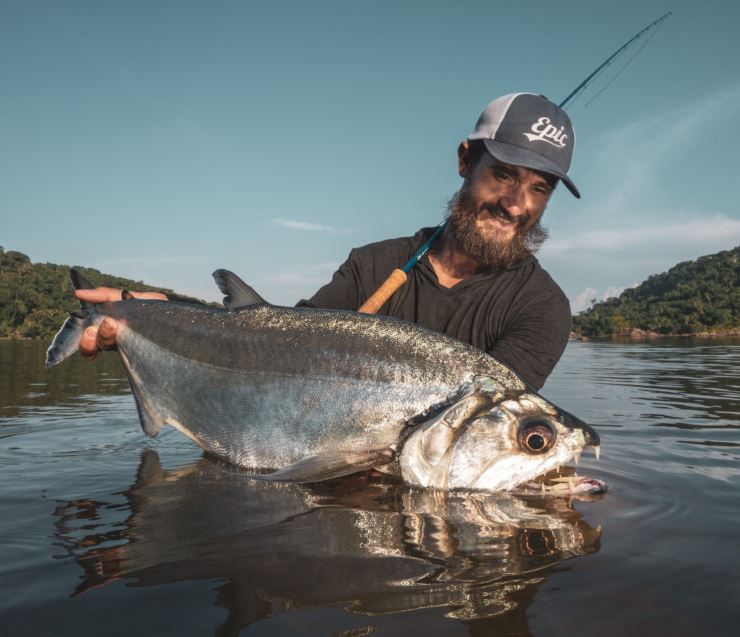
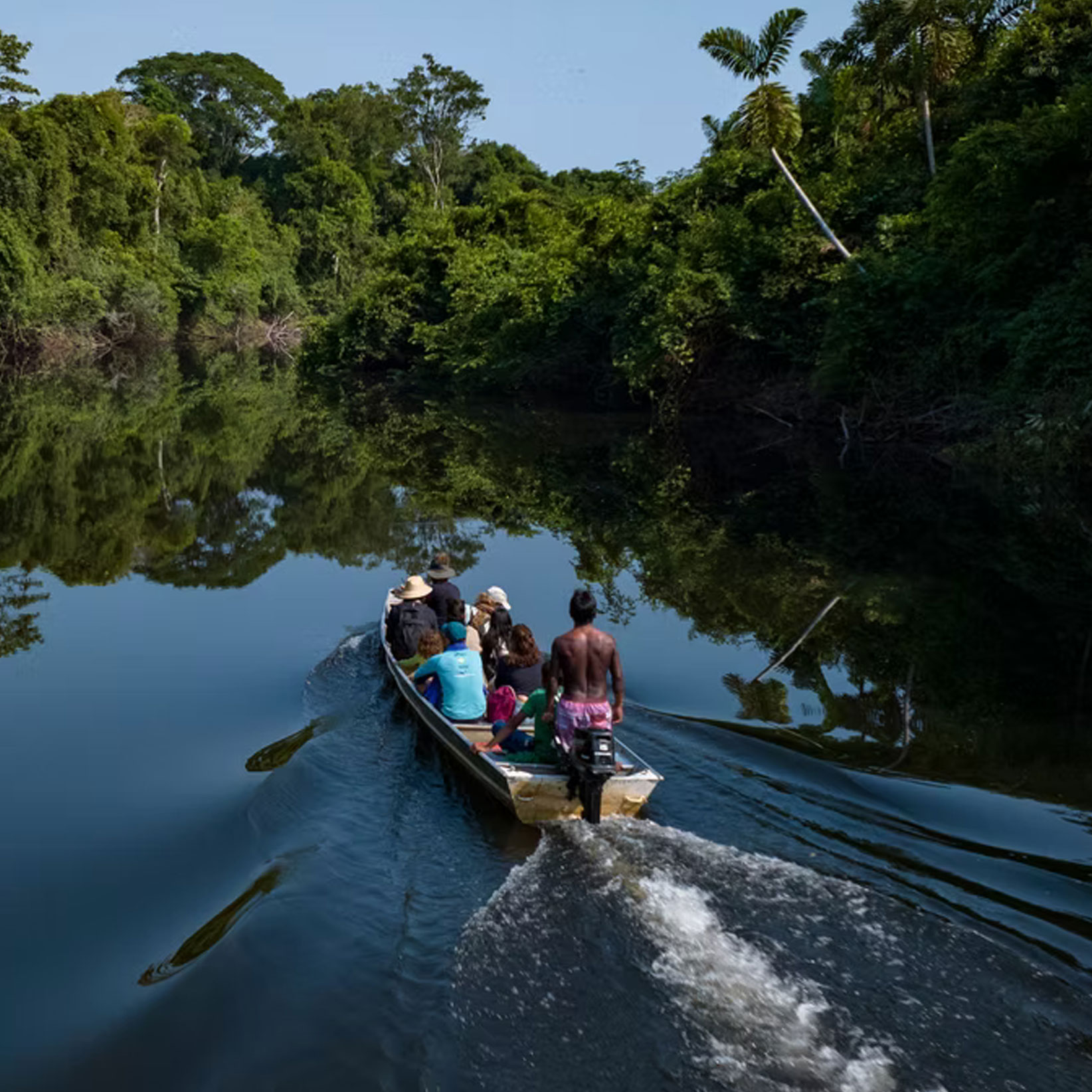
Kayapo culture and their pristine forests and rivers present innumerable opportunities for educational, ecological, and cultural tourism. Aside from the economic benefits, during tourism experiences, Kayapo meet with nonIndigenous people interested in protecting Kayapo culture and lands. Similarly, tourism participants learn the realities of the southeastern Amazon and become potential long term supporters of the Kayapo. Kayapo tourism initiatives include: sportfishing and ecotourism lodges on the Xingu (xingulodge.com) and Iriri Rivers (kendjamlodge.com); an intercultural field course and internship exchange program with the A’Ukre community (kayapo.org/field-course); and cultural tourism at the in villages of Pykany and Kubenkrankein (https://www.amzprojects.com/etnoturismo).

BUY FROM THE KAYAPO
COOBA-Y
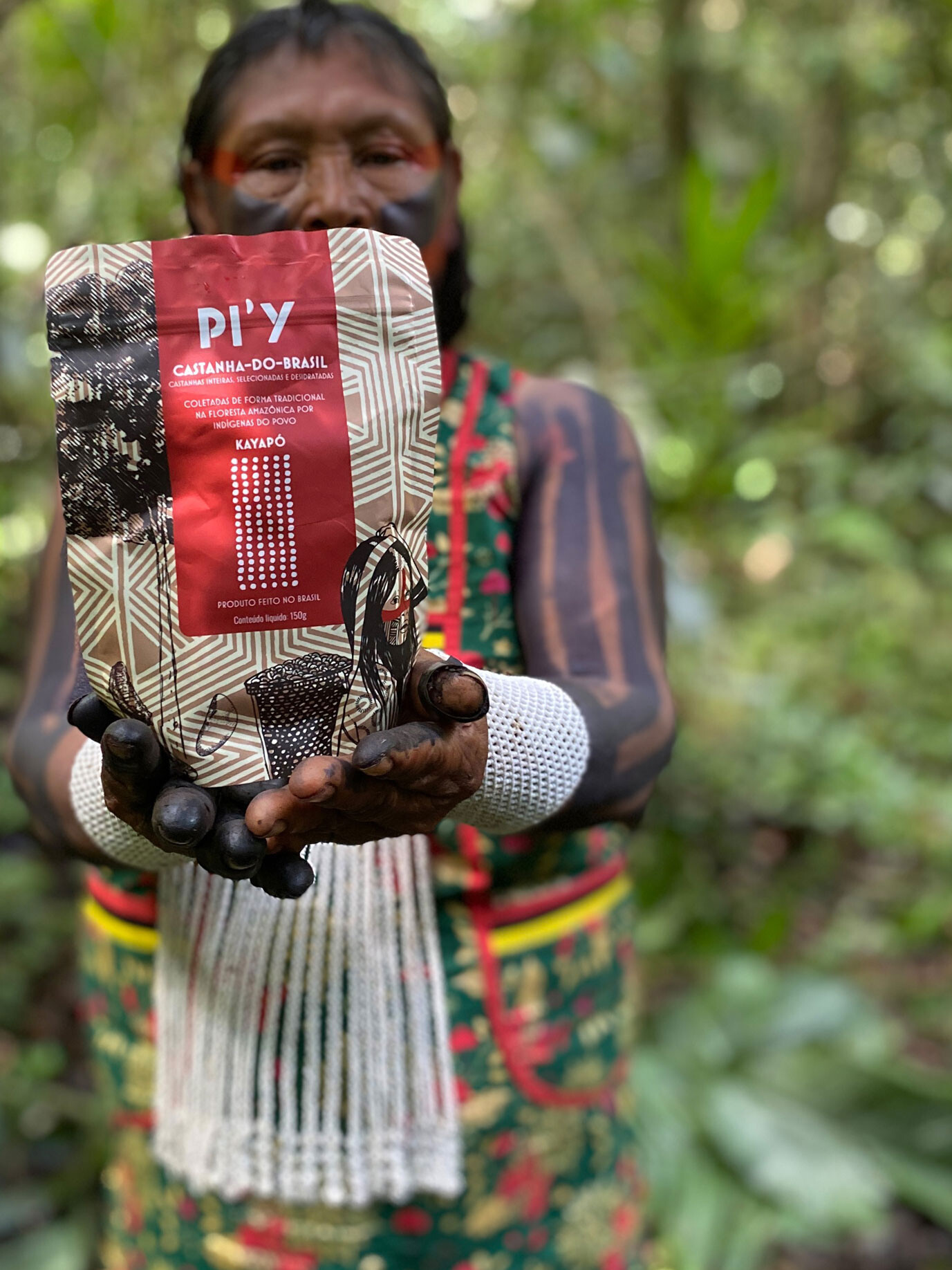
The Kayapó Forest Products Cooperative – COOBÂ-Y, created in 2011, supports and values the traditional activities of our people by contributing to the production and marketing of cumaru, Brazil nuts, and handicrafts, structuring and certifying our production chains. Our goal is to maximize, facilitate, and strengthen the marketing process of forest products, valuing our community organization, adding value to our products by accessing markets, and generating income.
Our craft brand is called Meprodjà. Our goal is to provide a non-seasonal and sustainable source of income, a type of income that is well distributed among communities and that contributes to valuing and promoting the beauty of the Mẽbêngôkre-Kayapó culture in Brazil and around the world. Our store is open to visitors and has a wide variety of products for sale.
Arte Indígena Instituto Raoni

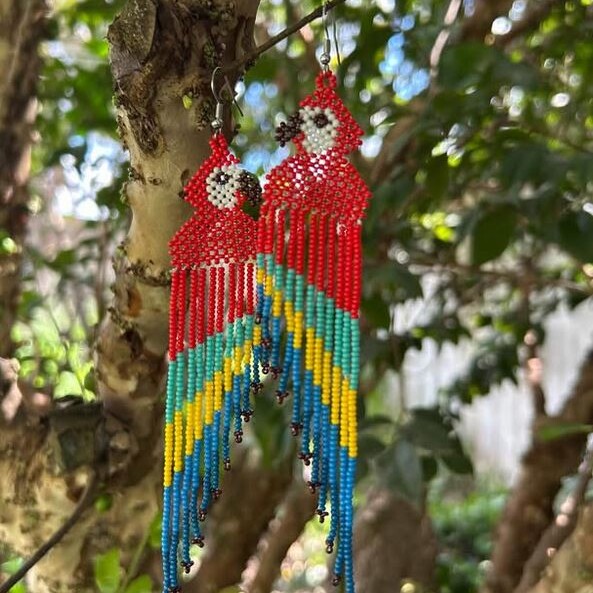
The Raoni Institute has its own brand: “Arte Indígena Instituto Raoni” (Raoni Institute Indigenous Art), which represents the four peoples associated with the Raoni Institute. It also has a brand for socio-biodiversity products that will boost the market entry of products such as copaiba oil, cassava flour, honey, pequi, and baru nuts.
Traditional economic activities with market potential are being strengthened through income-generating workshops, a catalog of indigenous art from the Raoni Institute, workshops on processing biodiversity products, and the development of a governance plan for productive activities.
Loja Kayapo

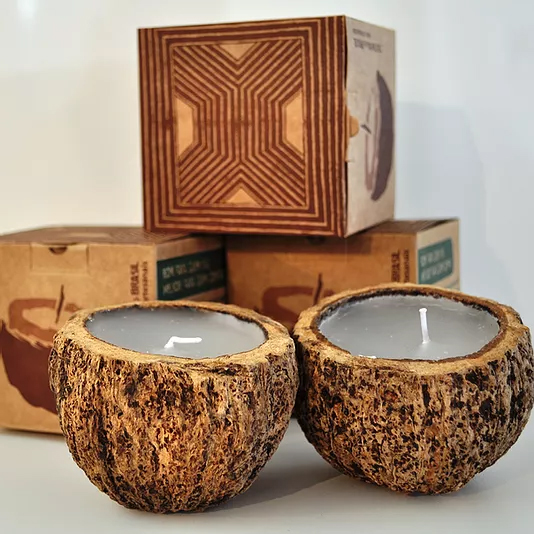
The Loja Kayapo supports Kayapó handicrafts and food with a distinctive ethnic cultural identity established through traditional work, linked to cultural knowledge passed down from generation to generation through the elders to the younger generations. The Loja Kayapo has both a brick and mortar store in Novo Progresso and an online store to facilitate sales. The Loja Kayapo also participates in fairs and other events throughout Brazil such as the Acampamento Terra Livre.
SUPPORT KAYAPO BIOECONOMY INITIATIVES
You can contribute to the Kayapó Sociobiodiversity Products project by purchasing items or donating to one or more of the Kayapo associations. By contributing, you help conserve more than nine million hectares of Amazon rainforest, which means that hundreds of plant and animal species will be protected, that rivers and springs will have their riparian forests intact. Your contribution strengthens the Kayapó people and encourages the maintenance of their culture and traditional knowledge, resulting in the sustainable development of their communities. These traditional economic activities with market potential are being strengthened through income-generating workshops, workshops on processing biodiversity products, and the development of a governance plan for productive activities.
MONITORING AND SURVEILLANCE OF KAYAPO TERRITORY
The Kayapo Indigenous people of Brazil have legal and exclusive rights to their 10.6-million-hectare territory (nearly the size of Portugal), composed of five of their traditional territories (see map). Unfortunately, every inch of their 2,200 km (1,375 miles) border faces escalating external pressures, particularly from illegal logging, mining and land grabbing in a virtually lawless frontier region.
In response, the Kayapo organizations, including the Associação Floresta Protegida (AFP), Instituto Kabu (IK), and Instituto Raoni (IR), and Associação Indigena Pykôre (AIP),- have mobilized significant financial and technical resources to defend and sustainably manage approximately 9 million of the almost 10.6 million hectares of forest under Kayapo control. The other 1.5 million hectares areas have been devastated by illicit logging, mining, or agriculture invasions (purple outline in Figure 1).
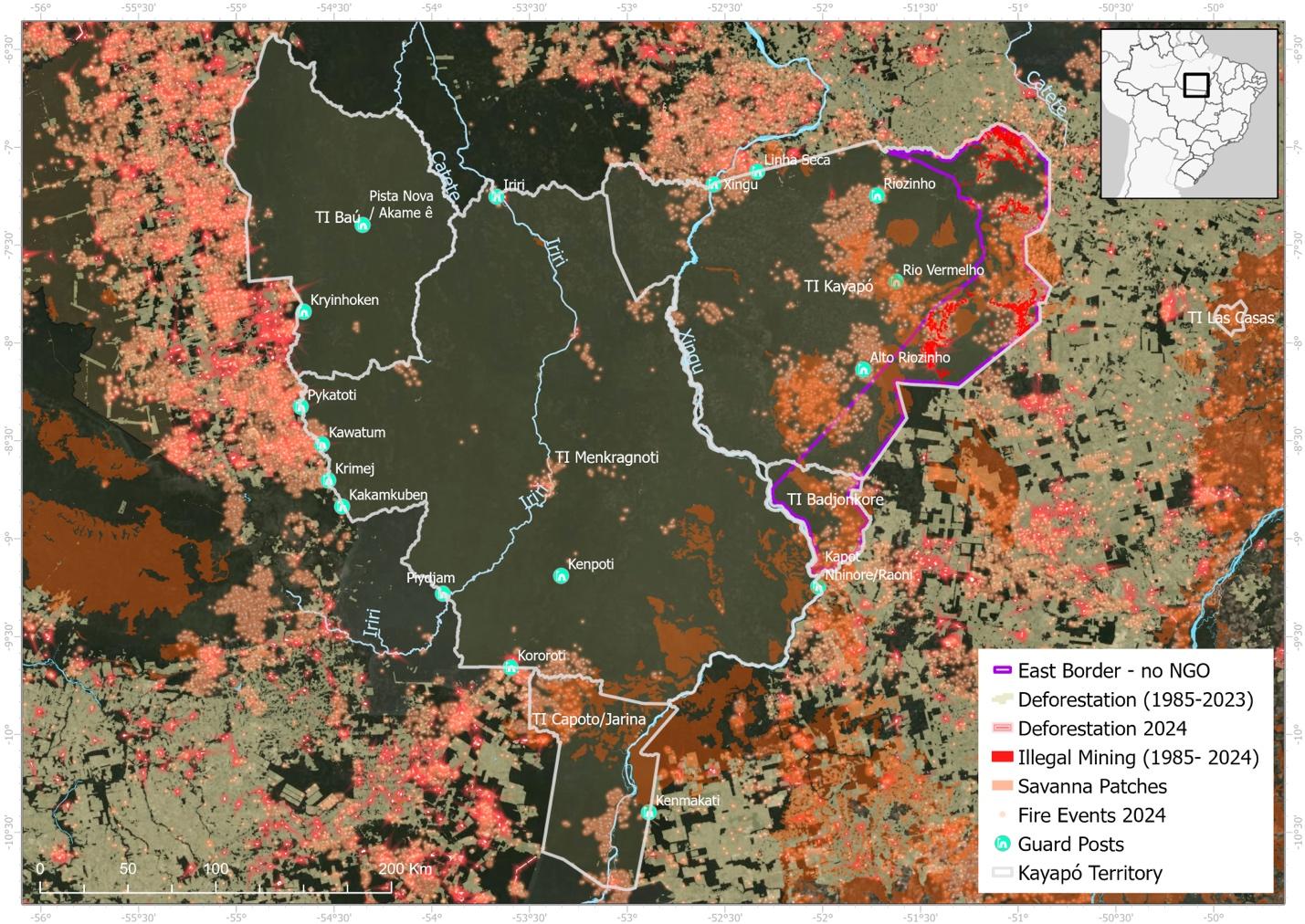
Figure 1. Block of Kayapó Indigenous territories amid a sea of deforestation and location of current Guard posts
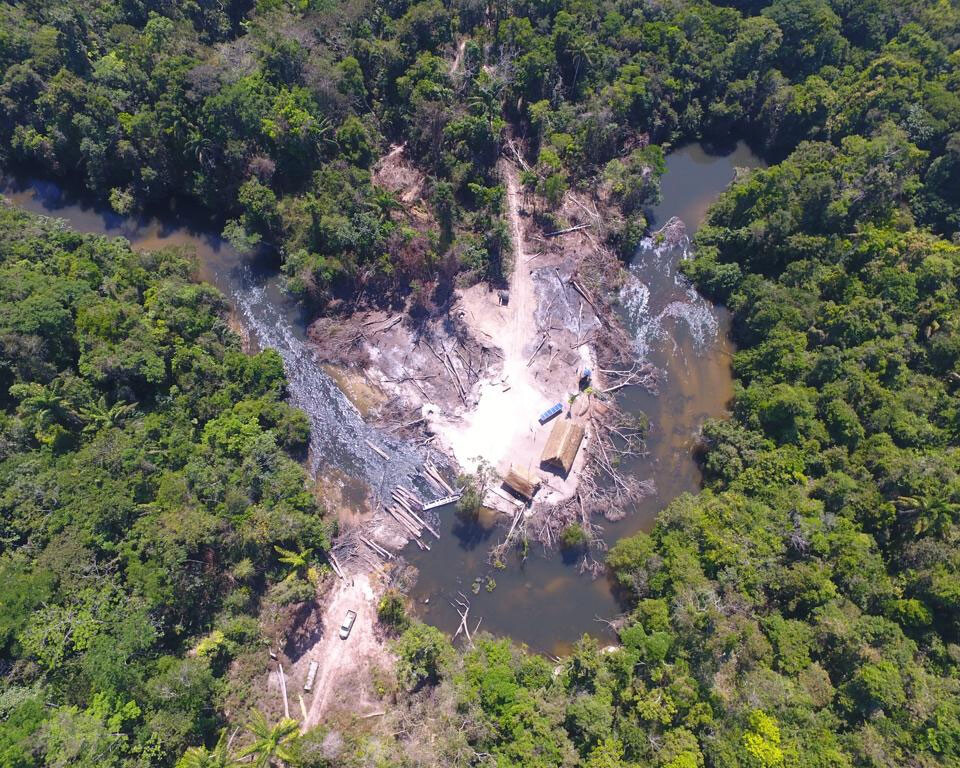
Guard post in the Menkragnoti indigenous land.
Guard Post Programme Overview
- 17 guard posts
- 8 months of operation
- 2000 Kayapo Guardians
- 13,000 USD to operate 1 guard post per month
IK – 8 guard posts; IR – 4 guard posts; AFP – 4 guard posts; AIP – 1 guard post
HOW THE KAYAPO MONITOR AND PROTECT THEIR LAND
In 2016, the Kayapo NGOs and their representative communities began the first guard post on the Xingu River, at the northern border of the Kayapó Indigenous Land. In 2025, 17 guard posts were operated by the four Kayapo organizations of the conservation NGO alliance. Each guard post is managed by at least two village custodians. The Guard Post program guarantees the presence of Kayapo guardians at strategic access points to their territory, signaling to outside frontier society that the Kayapo are organized to defend their ratified land rights, thus inhibiting invaders.
Each year, about 2,000 Kayapo guardians participate in the program, with benefits reaching virtually every family in the Kayapo NGO alliance. At each guard post, Kayapo teams of six rotate weekly or bi-weekly. The rotation of guardian teams, drawn from all Kayapo communities, ensures community engagement and equitable access to guard post work and salaries. The guard posts operate between May and December each year. Equitable salaries, combined with inherent Kayapo drive to protect their territory, culture, and livelihoods against illegal activity generate a strong social antidote to the bribing of individuals by illegal actors for access to Kayapo territory and natural resources.

KAYAPO GUARDIANS NEED YOUR SUPPORT
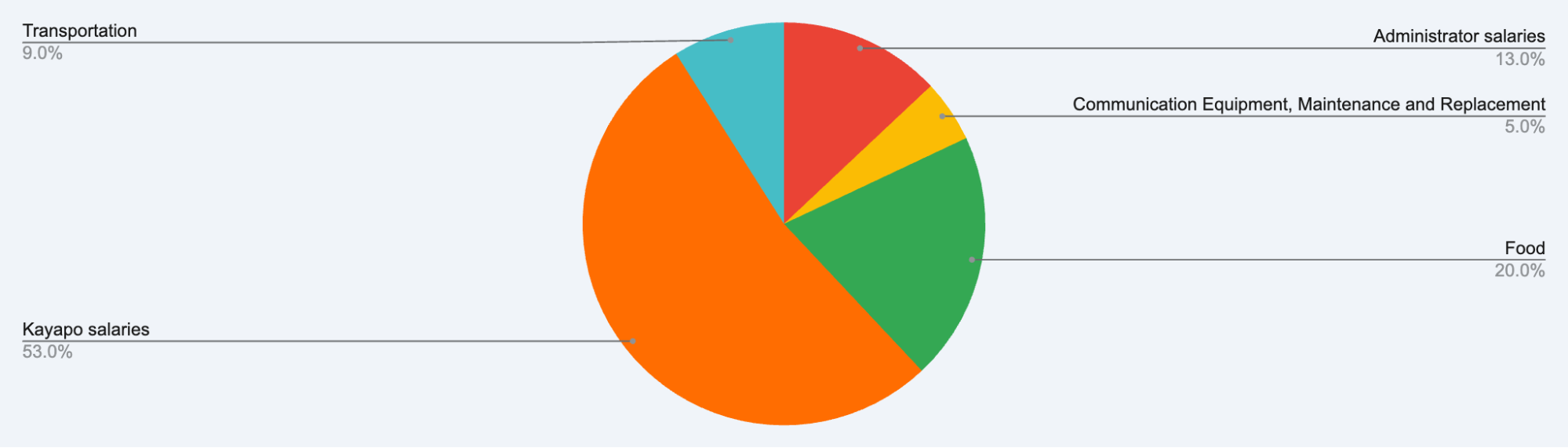
The Guard Post Program is both an effective and efficient strategy to protect the forest and provide alternative livelihoods to the Kayapo. The guard posts investment translates into a cost of roughly 0,20 dollars per year per hectare and engages close to 2000 Kayapo men and women annually, providing an average annual income of USD 360 per person. In total the average monthly cost of a guard post is 13,000 USD and the total annual cost for supporting 17 guard posts for 8 months is about 1,77 million USD.
The journey to COP30 is underway — more to come soon.
Join the Kayapo-NGO alliance.
US and Canadian donors can visit kayapo.org/donate to make a tax deductible gift.

Contact Us
Adriano Jerozolimski
Director Kayapo Project, Brazil
Biome Conservation
pingo@biomeconservation.org
Whatsapp: +55 94 991525726
Patkore Kayapó
President
Protected Forest Association
patkorekayapo@florestaprotegida.org.br
Whatsapp: +55 94 984049636
Mayalu Waurá Txucarramãe
Executive manager
Raoni Institute
coordenacaoexecutiva1@institutoraoni.org.br
Whatsapp: +55 66 999291301
Matthew Aruch
Director Indigenous Conservation Programs
Biome Conservation
aruch@biomeconservation.org
Whatsapp: +1 516 993 9331
Doto Takakire
President
Kabu Institute
doto@kabu.org.br
Whatsapp: +55 94 981310030