
May 18–19 · Washington DC to Peixoto de Azevedo
I had the pleasure to participate in several institutional strengthening and governance meetings with two partner Kayapo associations, the Instituto Raoni and Instituto Kabu. My IR meetings took place at their headquarters in Peixoto de Azevedo and IK during their annual general assembly in the village of Pykany.
Traveling to these meetings is not easy. First, I connected on a series of flights from DC → Panama → Brasilia, where I was able to meet (and rest) briefly with Dr. Adriano Jerozlimski, Director, Kayapo Project in Brasil.
The Journey Begins
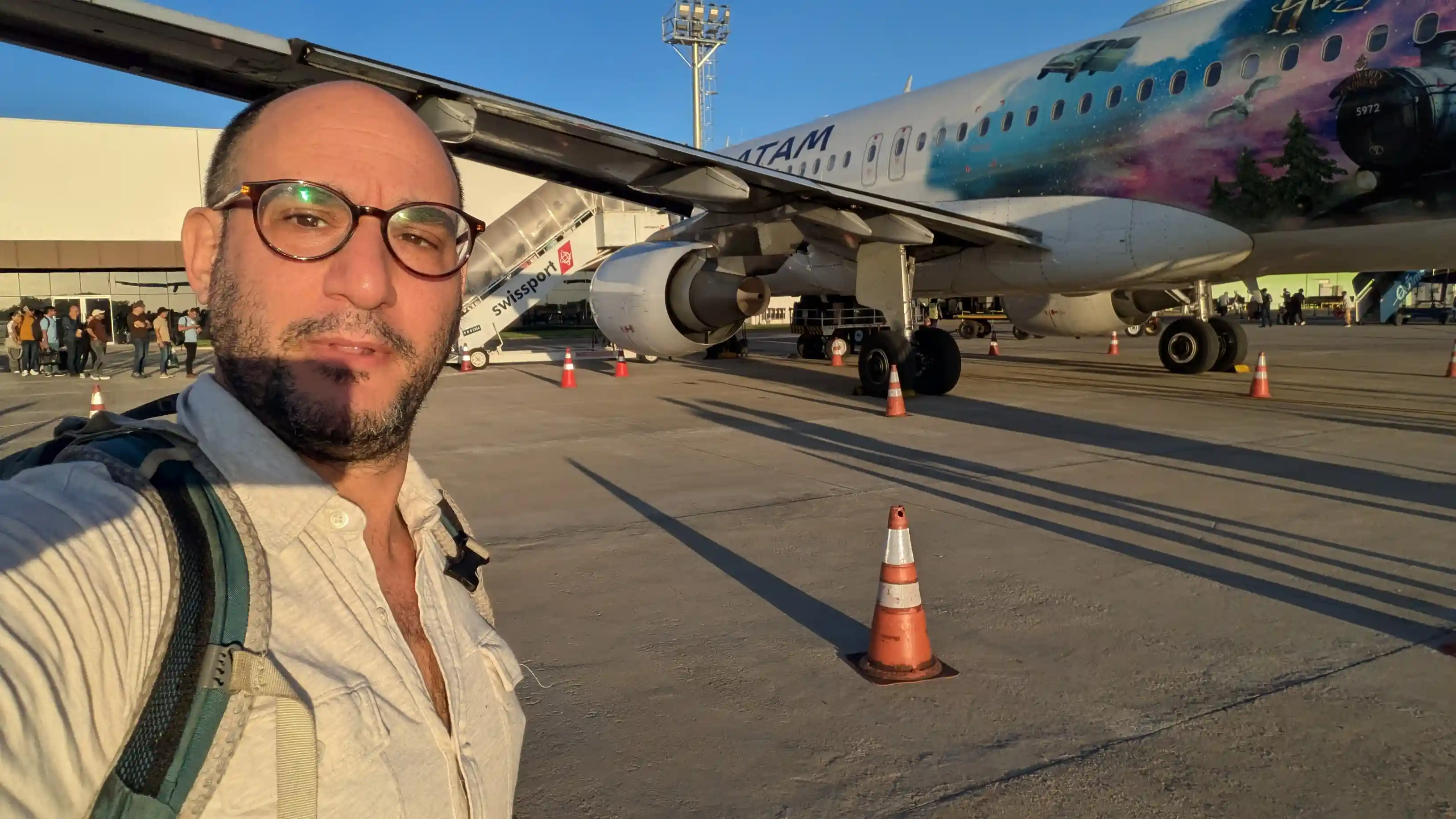
Early the morning of May 19, I flew to Sinop, a medium sized city in the state of Mato Grosso, the heartland of the Brazilian industrial agricultural sector, where I met my uber driver Andre and we headed north on the BR-163, the “Soybean Highway.” 4 hours and 200km later, we arrived in Peixoto de Azevedo. Along the road, corn pellets flew from the back of large trucks and battered the windshield of the Chevrolet Montana. In Peixoto, gold mining is 90% of the economy and statues all over the town pay tribute to the economic past time:
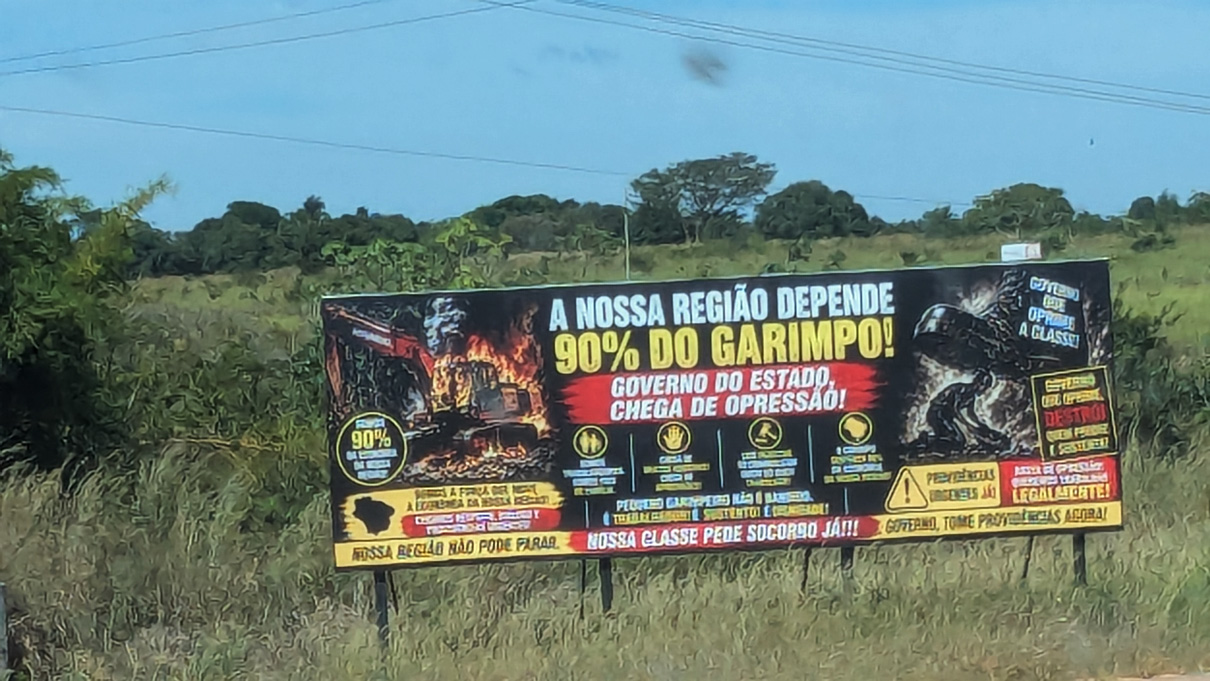
A billboard on the edge of town addresses the gold-mining debate.
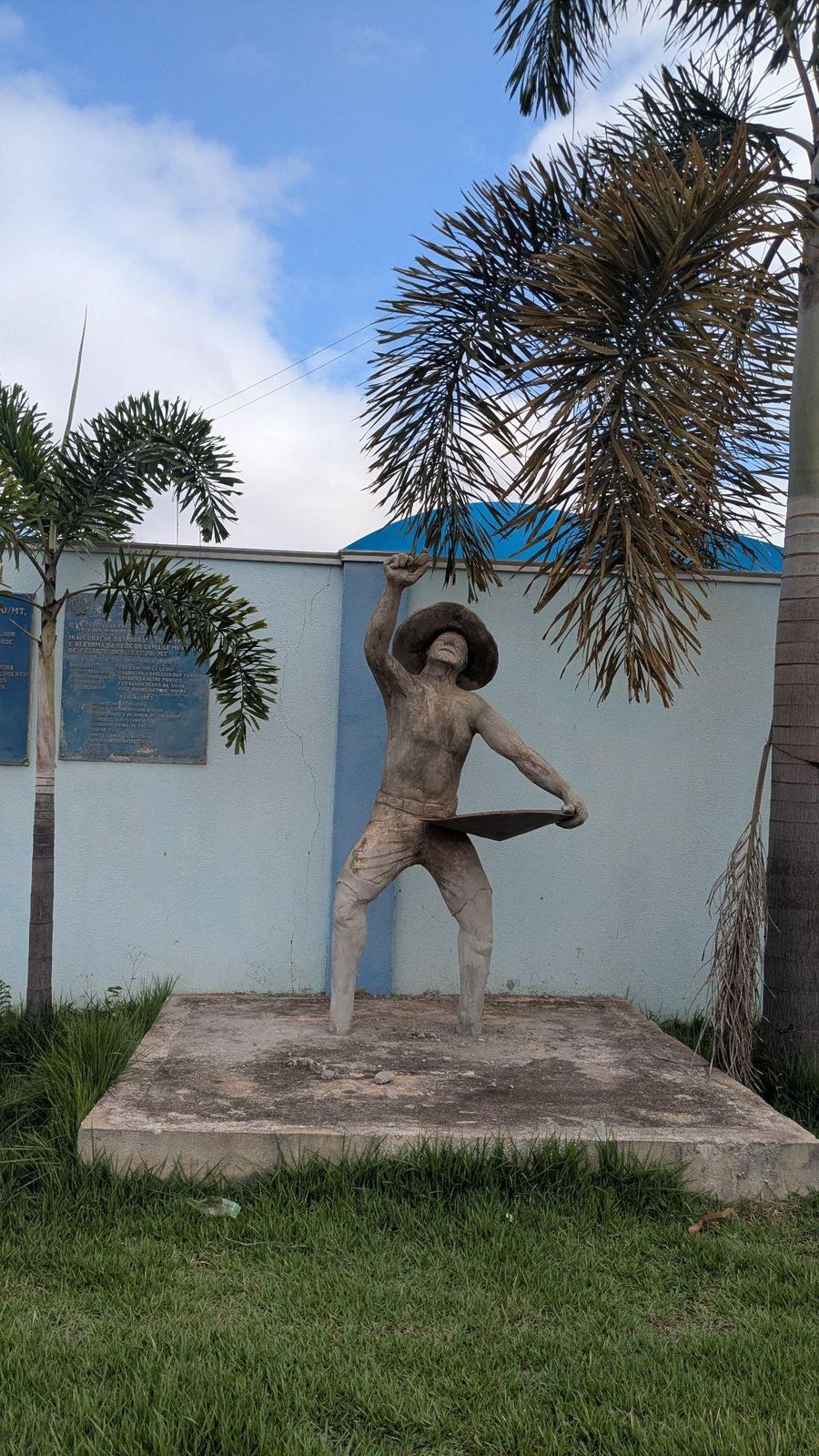
A statue honoring the garimpeiro, the local gold prospector.
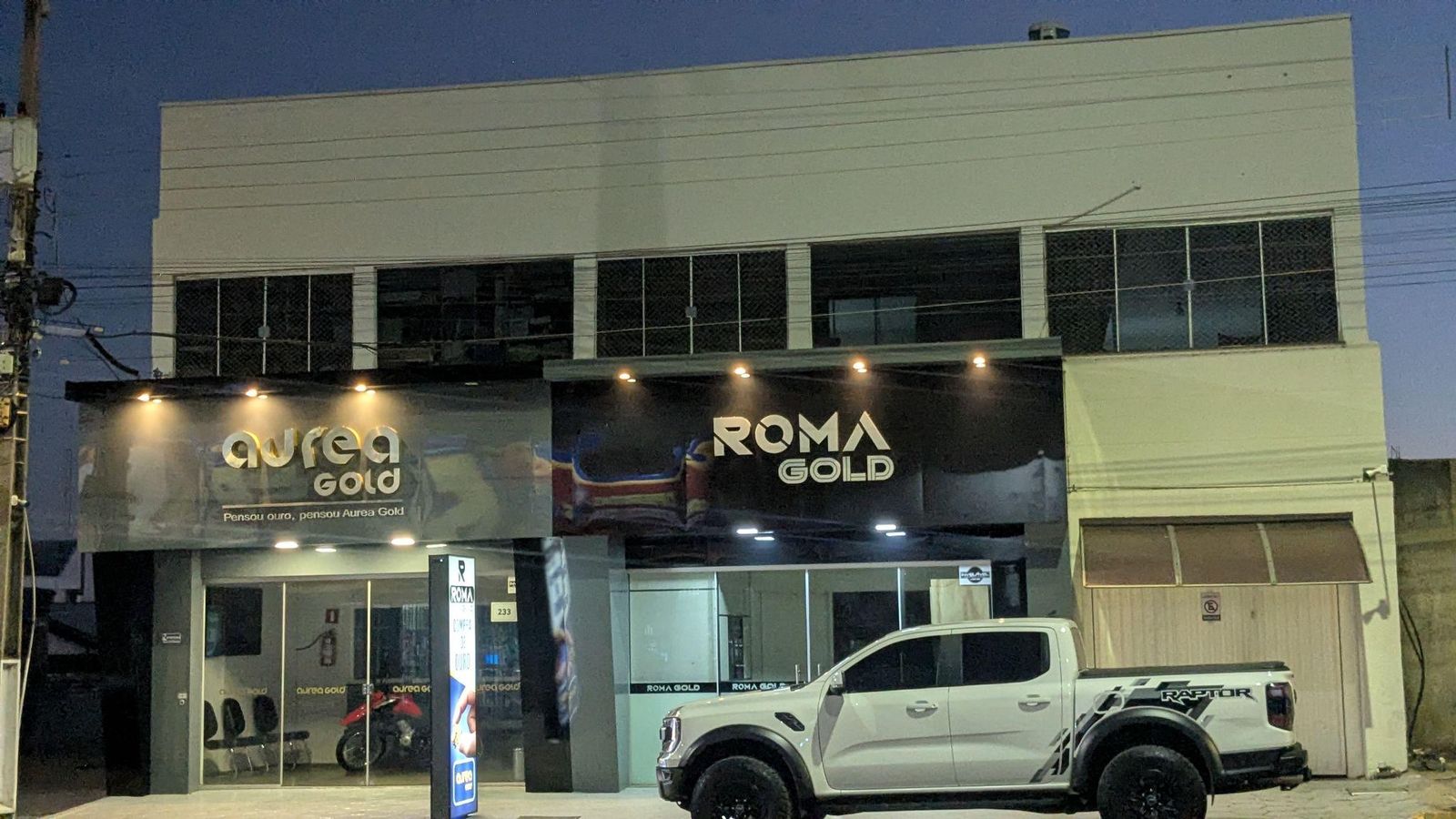
Gold-buying storefronts light up downtown at dusk.
That afternoon, the Instituto Raoni was unable to meet. Cacique Raoni had fallen ill and they were meeting with his team of doctors to arrange for the best possible treatment. We made arrangements to meet the following day in the office.
May 18–19 · Washington DC to Peixoto de Azevedo
Meeting the Instituto Raoni
The Instituto Raoni is a small building off the BR- 163. The offices and rooms inside are organized by department. There is a room for the executive team, the communications team, the finance team, the women’s department and the bioeconomy and sales team. I spent my first day with IR meeting the team and co-working with the Bioeconomy and sales team. For me, this was a special moment. I started working with the Kayapo in 2014 and joined the Kayapo Project team in 2023. These were my first minutes with IR outside the pressure of an assembly, budget, or project meeting. Having some informal time to be present with the team, get to know the personalities, hobbies, and spaces they navigate will be incredibly helpful as we continue to work together and collaborate.
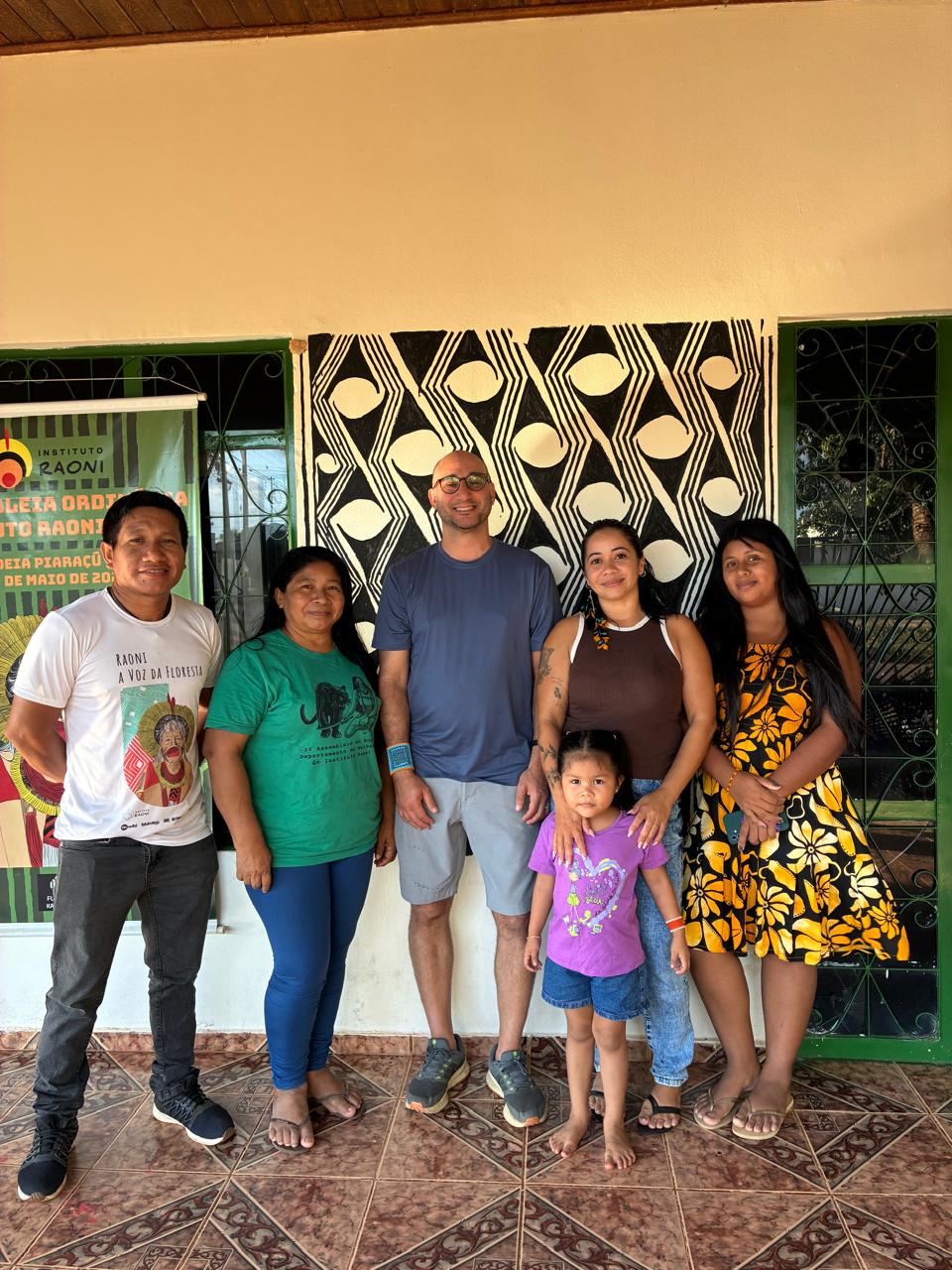
At IR with bio economy and women's departments
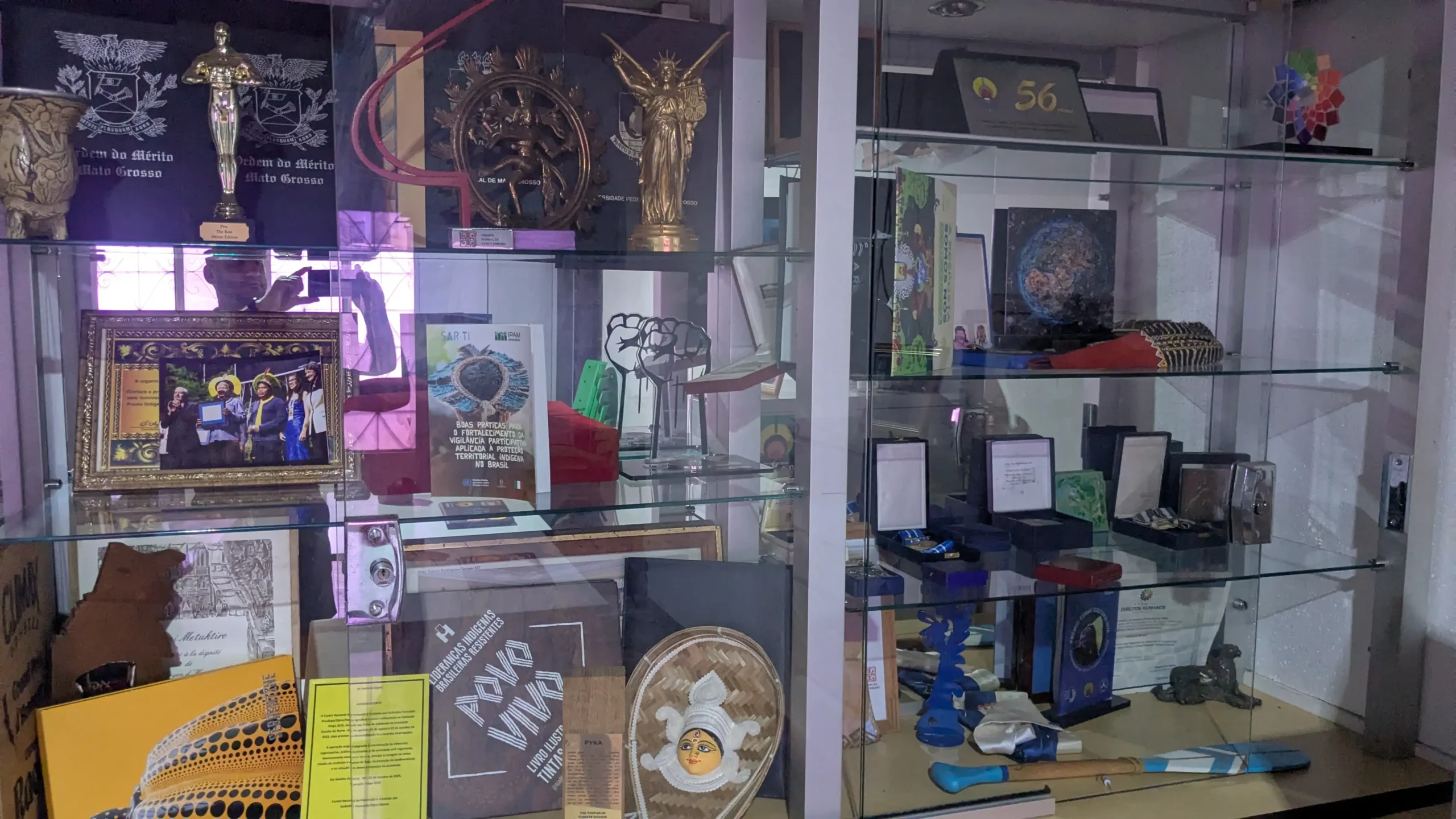
A trophy case inside the Instituto Raoni headquarters.
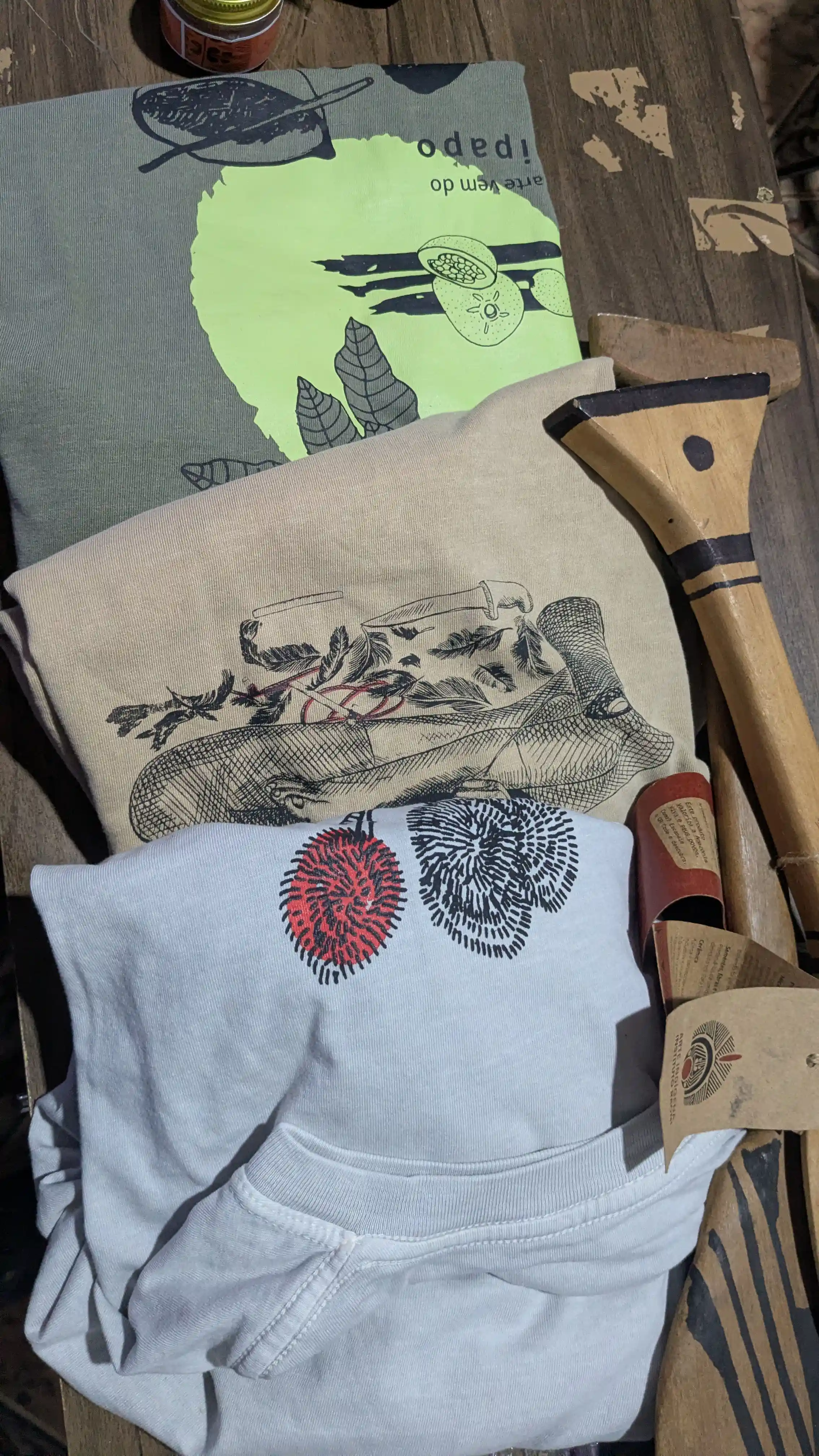
Products from IR’s bioeconomy and sales department.
I worked with the IR team for the next three days, spending time in conversation and at lunch with the finance and executive teams, discuss how we can best support IR’s territorial and cultural conservation initiatives, how to improve dialogue and process, and also sharing ideas around future initiatives with the IR such as the Kayapo Forest School, currently in operation along the Xingu and Riozinho Rivers.
On Friday May 22nd, the whole team was in the office and I gave a short presentation on Biome Conservation, The Kayapo Project in general and a few of the initiatives I work on such as the forest school, field course, and a media at the guard posts. The leadership team and others who had just returned from the Pykany village, where I would be headed in a few days, joined me. To round out my visit, I had a chance to visit with Cacique Raoni, thank him for his leadership, and wish him a speedy recovery.
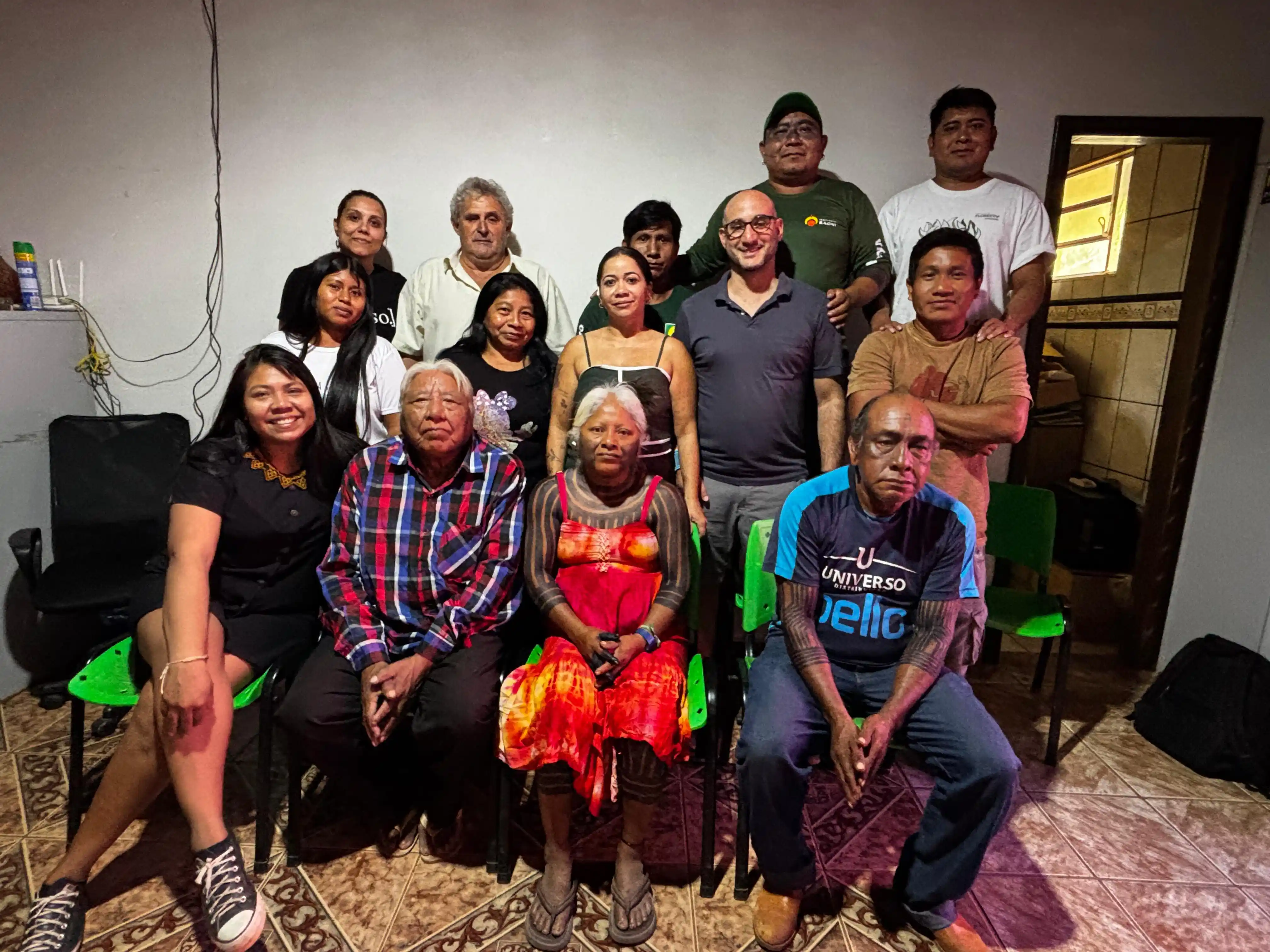
With the IR team and Kayapo leaders in Peixoto de Azevedo.
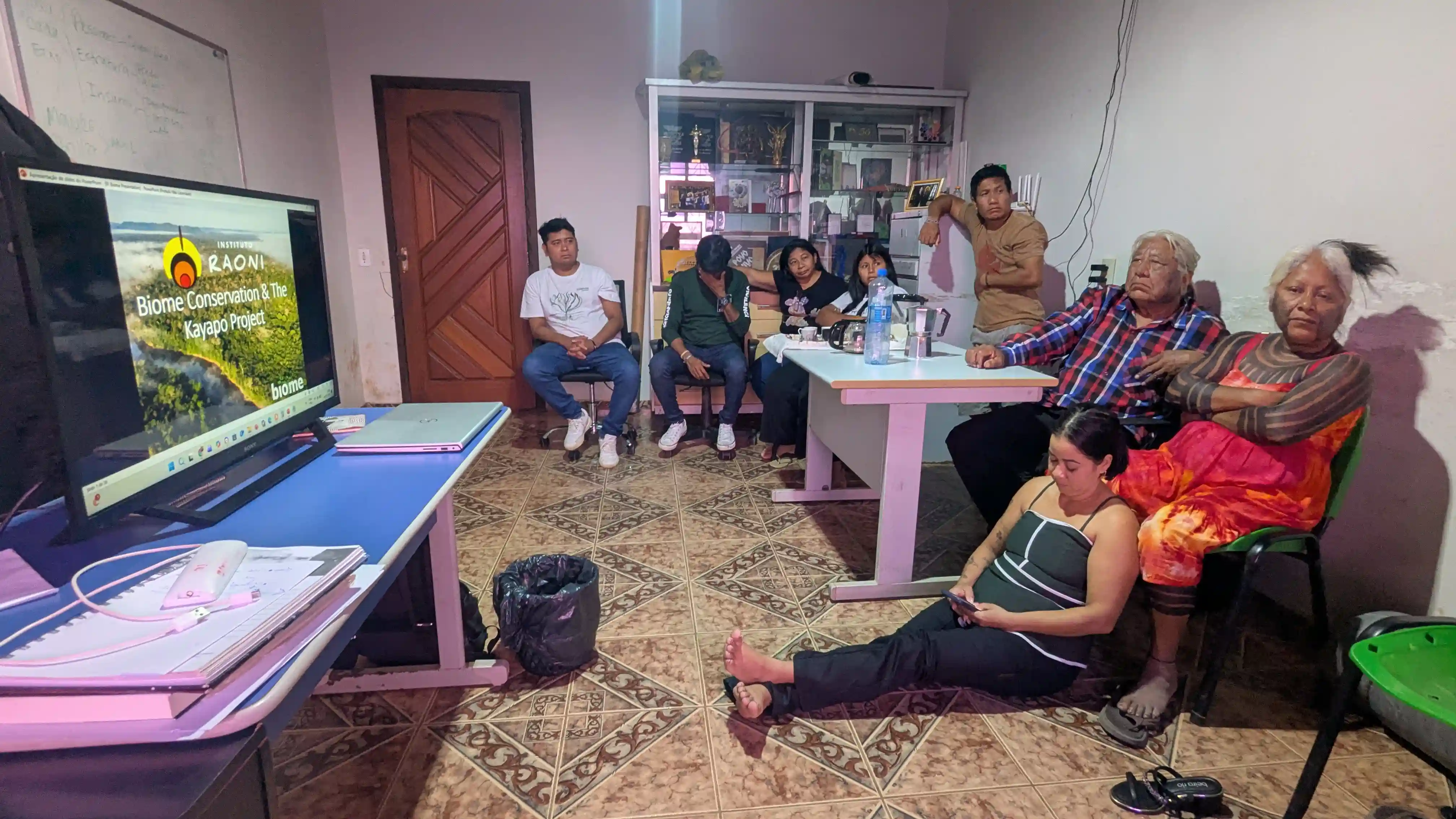
Presenting on Biome Conservation and The Kayapo Project, with Cacique Raoni in attendance.
The Road to Pykany | BR-163
From Peixoto to Pykany
From Peixoto I was back on the Soy highway, this time traveling with Brasilia-based Kayapo project colleague Igor Richwin Ferreira toward the village of Pykany for the annual assembly of the Instituto Kabu. 250 km later, we arrived to the town of Castelo dos Sonhos, historically a hotbed of deforestation activity.
Concerned about driving through the forest at night to Pykany, we stayed in a hotel. In the morning, we met up with colleagues from the Instituto Socioambiental and began the journey from the town to the forest, watching the landscape change from dusty frontier town to ranchlands to close canopy forest. Along the way, we stopped for coffee and conversation at one of the 19 Kayapo Guard posts, navigated a precarious wooden bridge, and passed through a set of small villages along the dirt road to Pykany in the heart of the TI Menkragnoti.
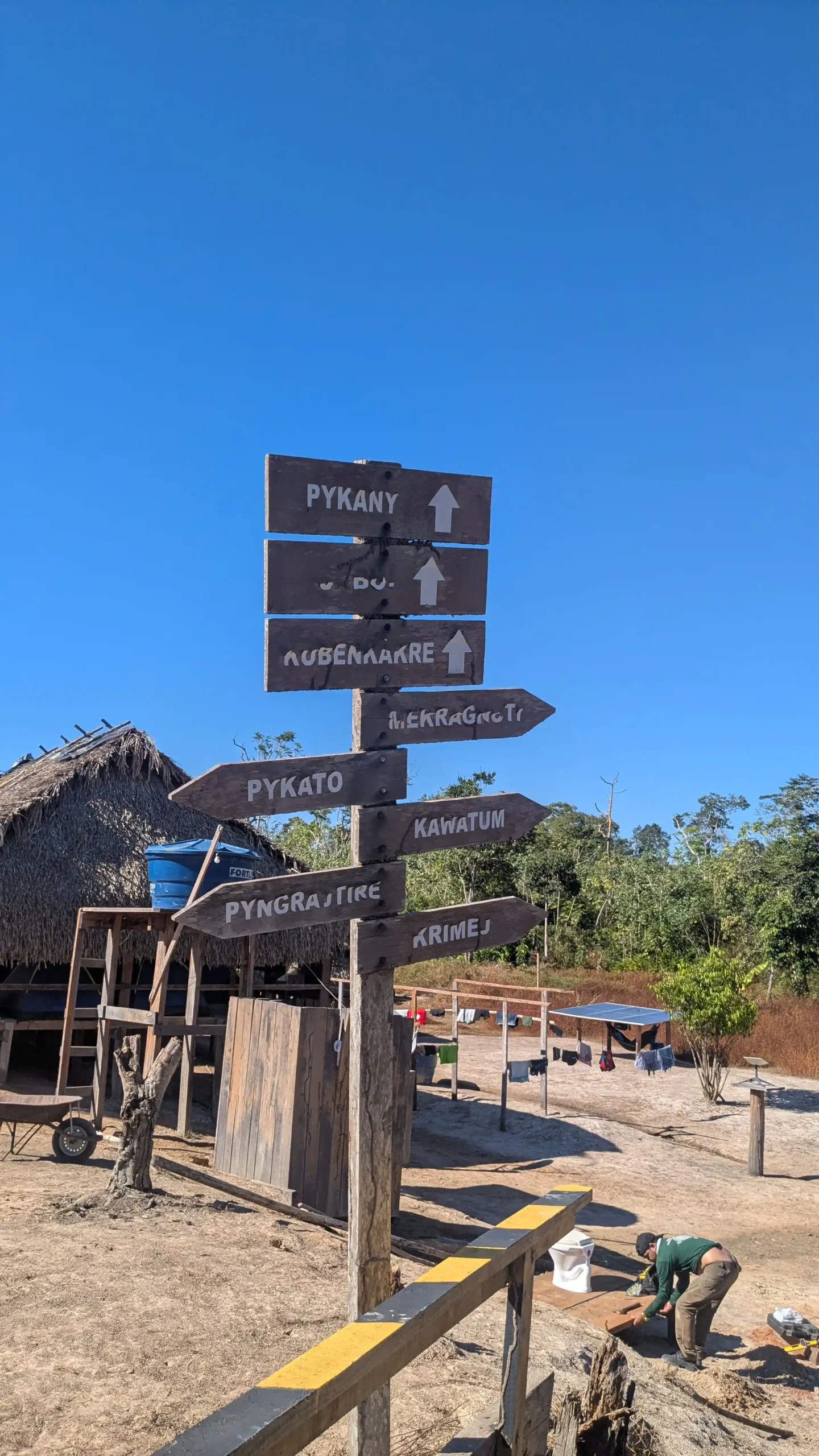
A signpost marking the villages along the route, Pykany included.
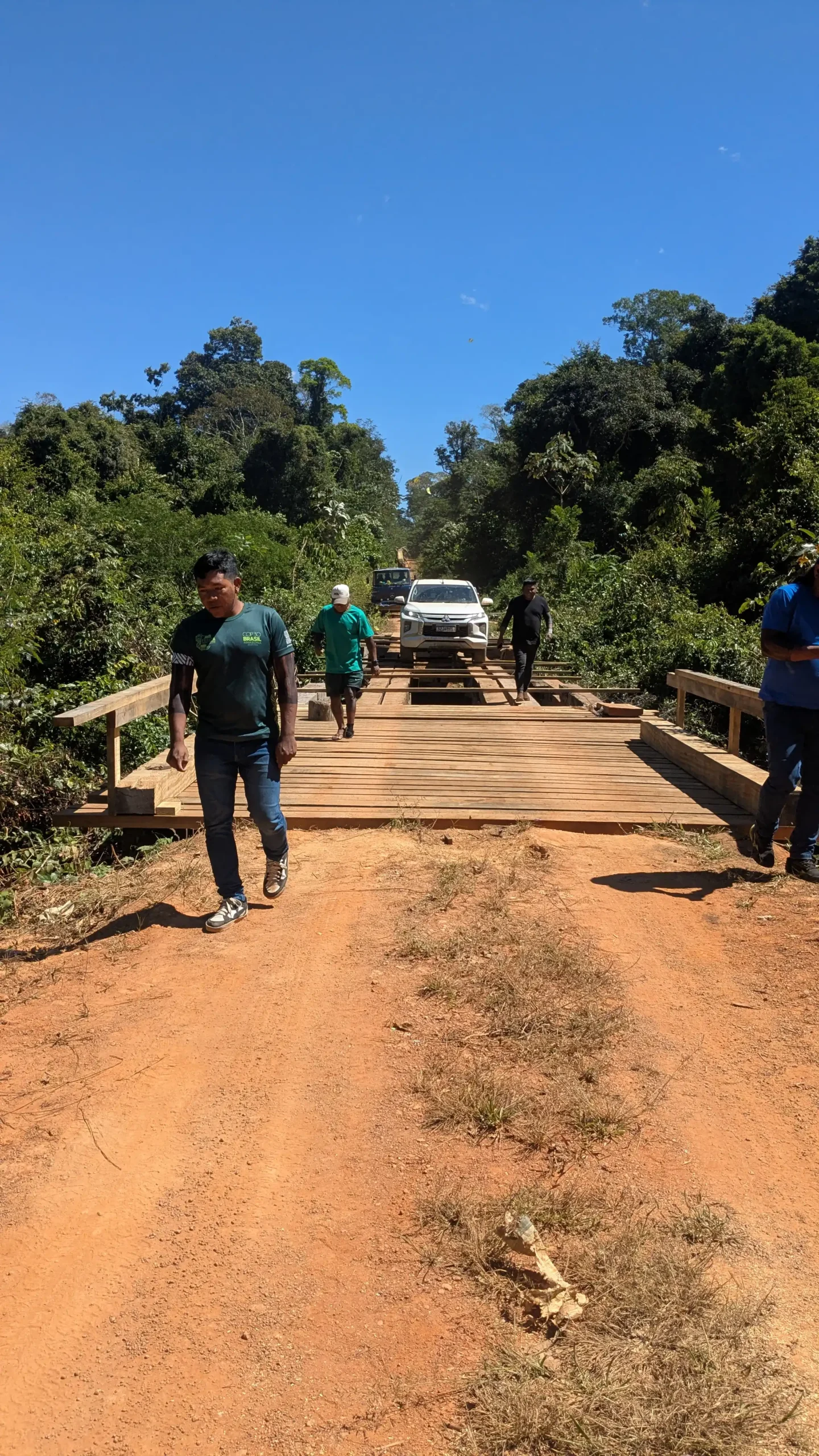
Crossing one of the precarious wooden bridges along the way.
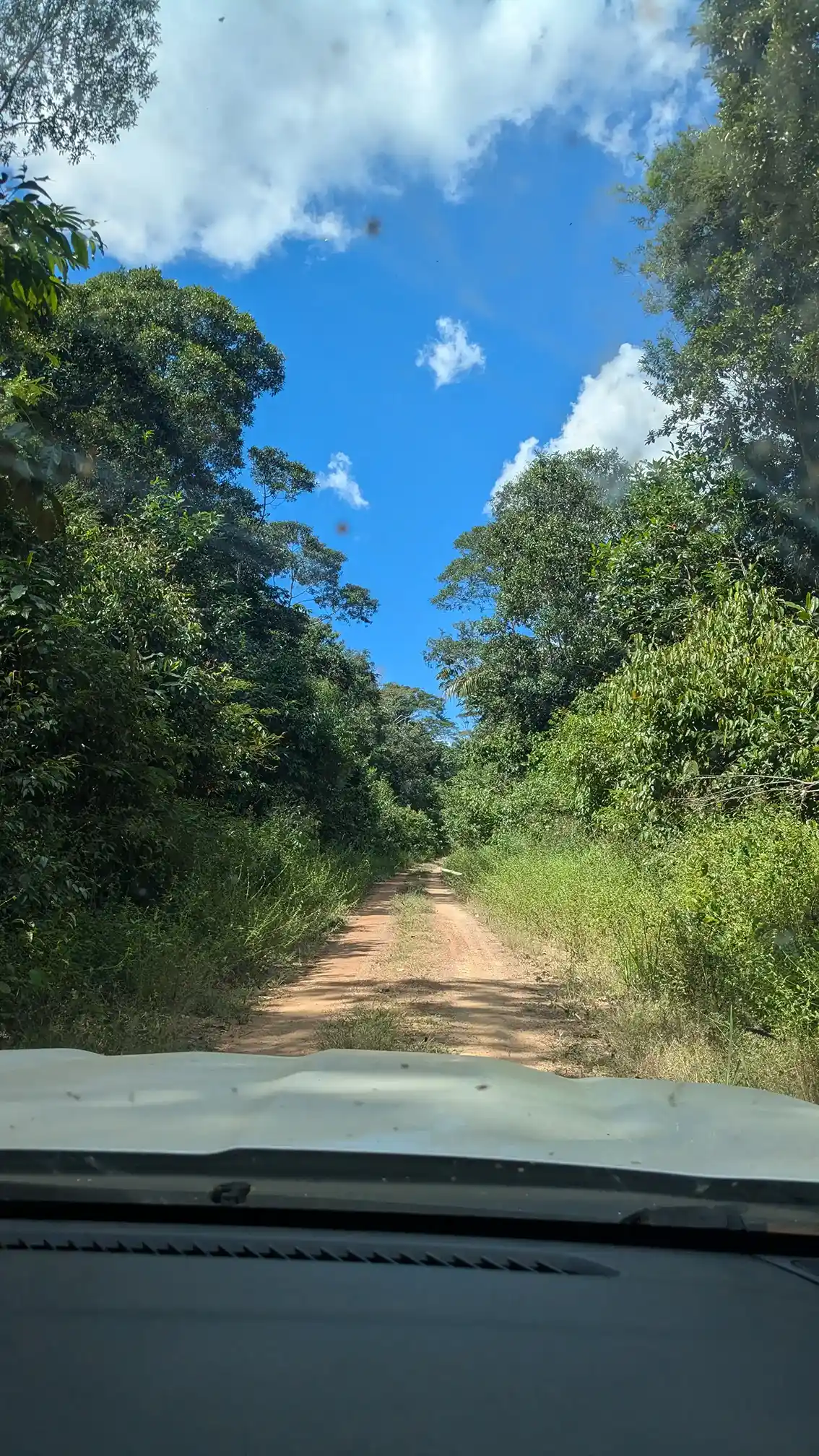
The landscape closes into dense canopy forest en route to Pykany.
Pykany Village I TI Menkragnoti
The Instituto Kabu General Assembly
The general assemblies are an opportunity for the leadership of the represented communities to come together to learn about the previous year’s activities, deliberate, discuss and approve the budget and activities for the coming year. It is also one of the only times that all the Kayapo leadership is in the same place at the same time with their external collaborators. These events are a unique opportunity to absorb the full spectrum of Kayapo initiatives, particularly those that sit outside the portfolio of Biome and the Kayapo Project. I met IK leadership, community leaders, and institutional peers to discuss ways we can all work together toward the mission of Kayapo territorial and cultural protection.
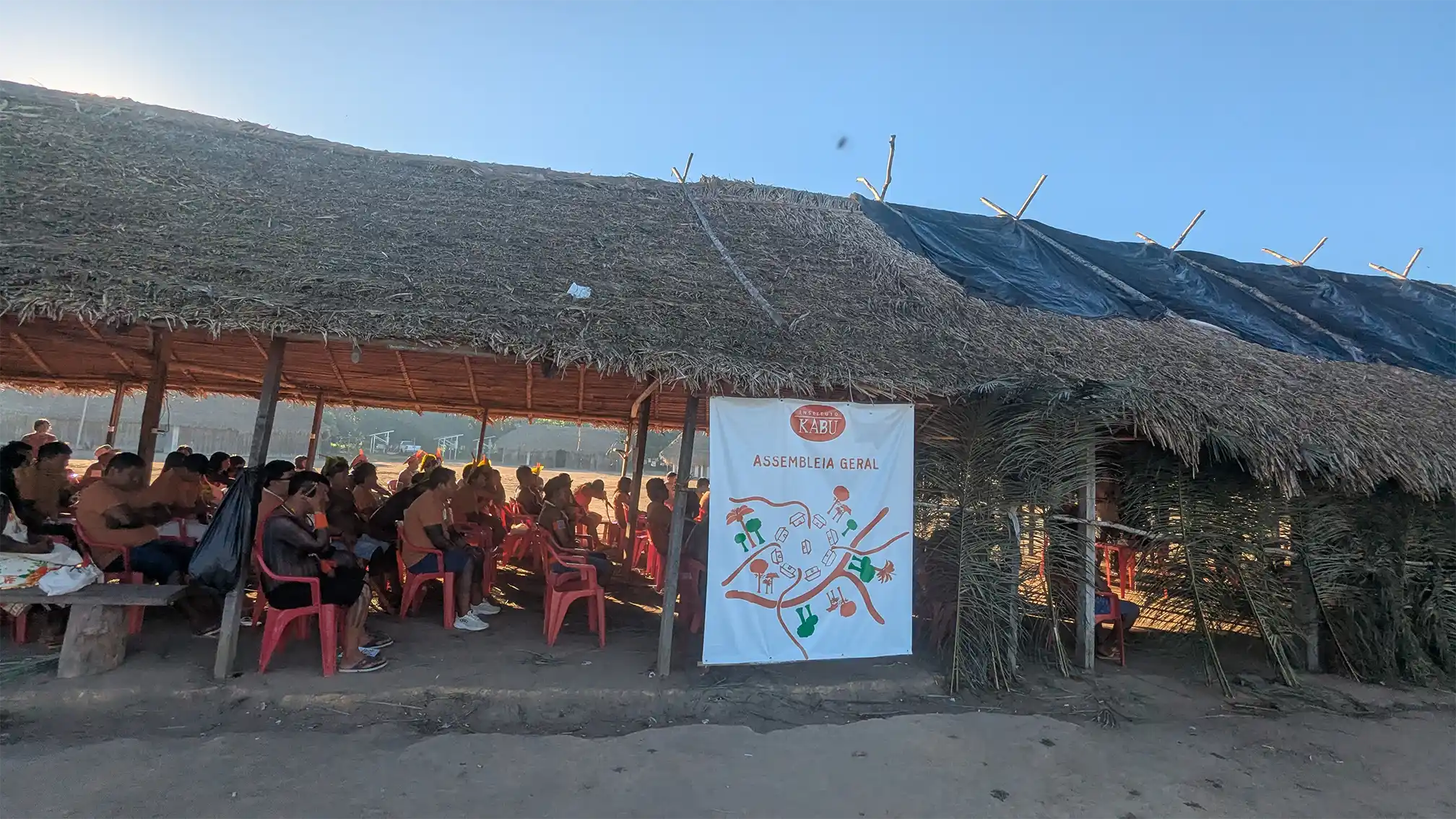
During the meeting, I presented to a large audience of Kayapo chiefs, once again sharing the work of Biome and the Kayapo Project including the territorial monitoring and surveillance program, the Kayapo Forest School, and opportunities for tourism and exchange with IK communities. My presentation was reinforced by Patkore and other representatives from the Protected Forest Association, who added details and cultural clarifications to my conversation. I am pleased to say that the Instituto Kabu has approved the implementation of the Kayapo Forest School in 2027 to complement their other initiatives.
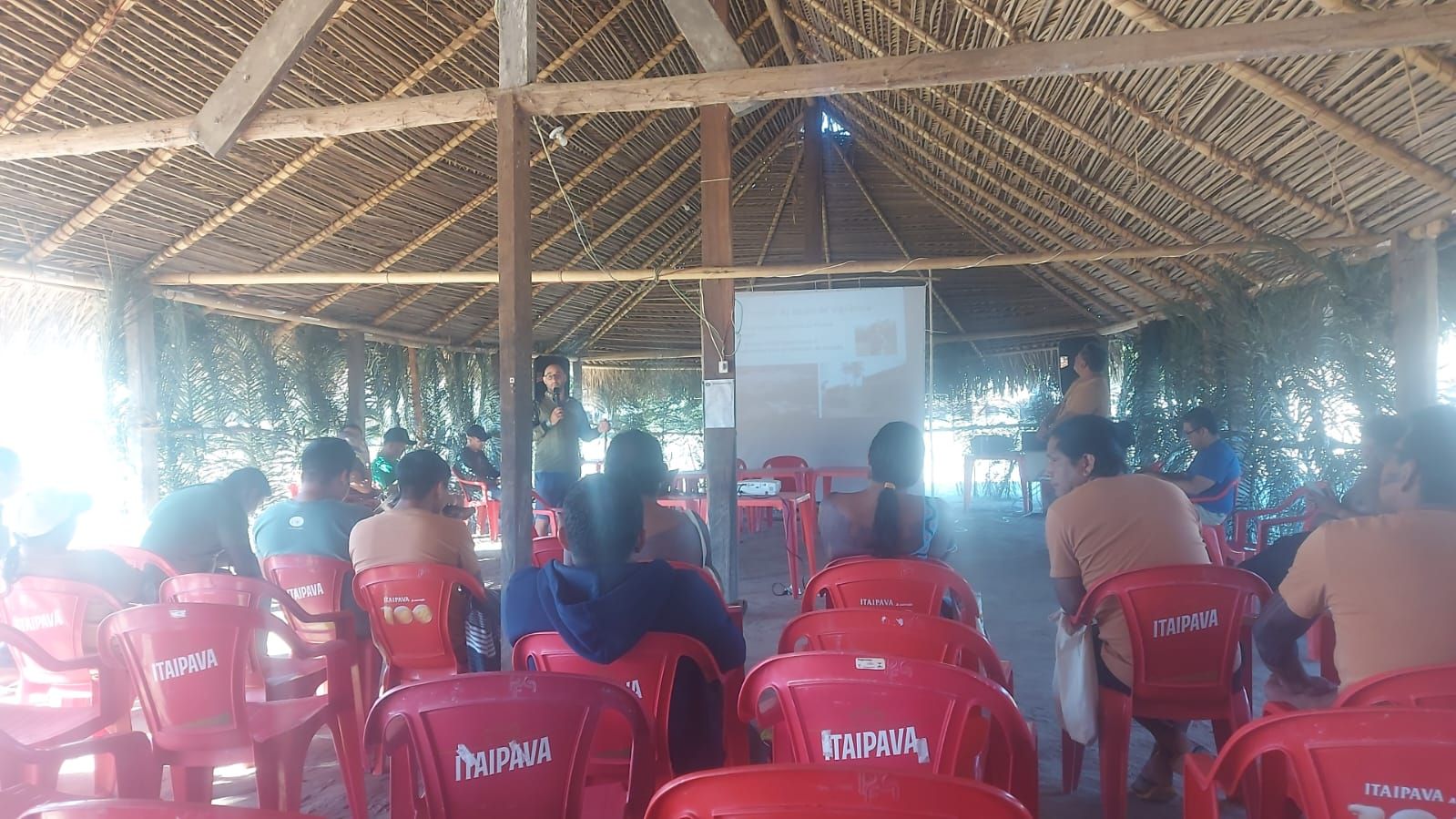
Presenting Biome and Kayapo Project initiatives.
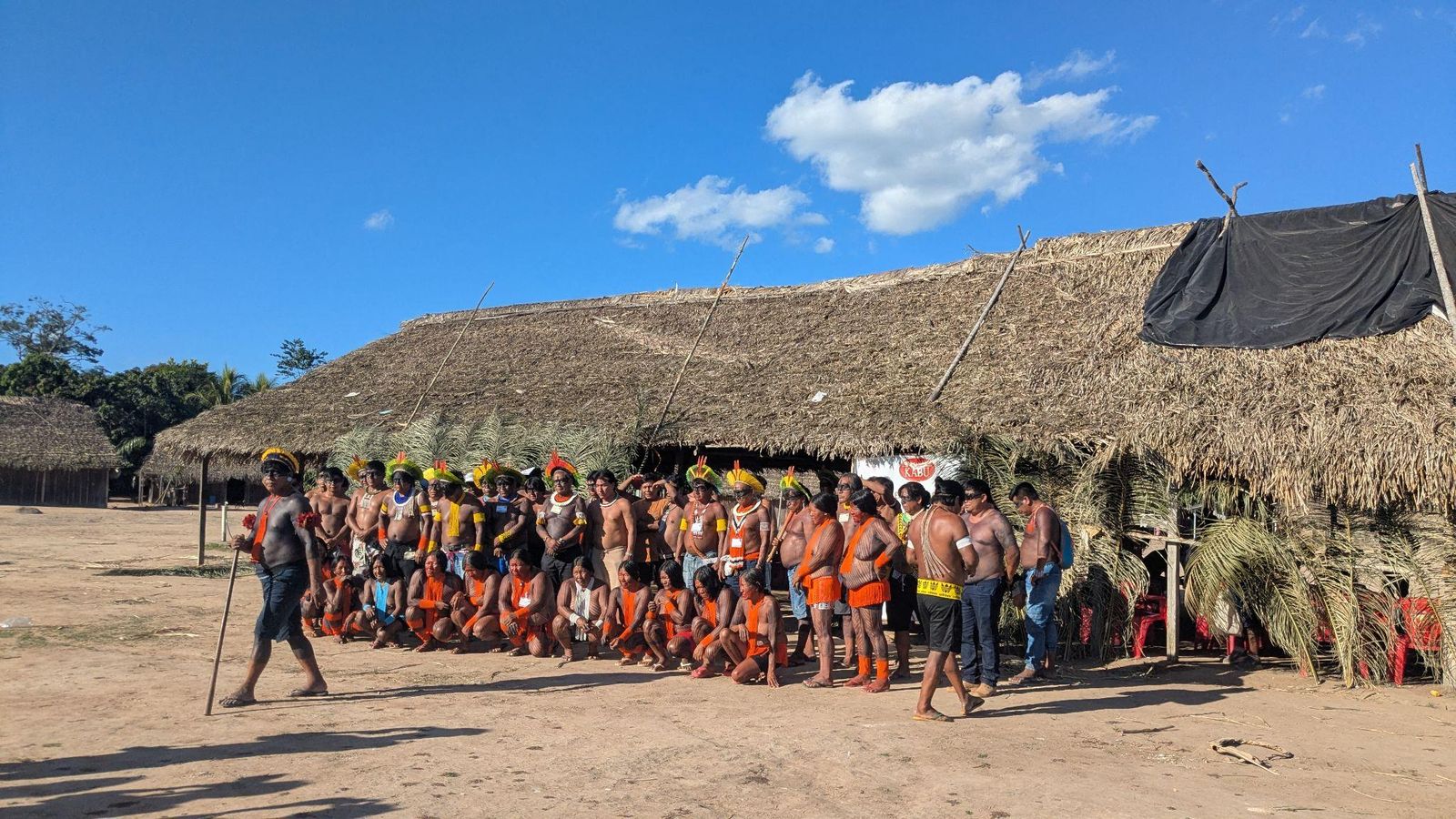
Kayapo leaders gathered in full traditional dress for the assembly.
May 30 | The Journey Home
Reflections on The Road Back
It takes three days to get home. First a long drive back from the forest to Castelo dos Sonhos. Then, the full 450km return trip, once again having the truck assaulted by fragments of corn and soy along the BR-163. A night in Sinop followed by planes from Sinop→Brasilia→Panama and finally Washington DC. Over the three days I was struck by a few important concepts:
The Kayapo Project is Indigenous-led Conservation
It is the Kayapo and their representative association who are implementing the programs, taking the risks, and putting in the hard work. Our job must be to leverage our positions to amplify their stories and provide the necessary support for success.
The Kayapo Project is a vast local → global ecosystem of collaboration and projects.
Not just in my visits, but also in the stories of our Kayapo collaborators. While I was there, I met a colleague from Greenpeace who was arranging a trip for Kayapo representatives to visit Europe for support. In the past, I’ve met folks from the German Embassy, Conservation International, Re:wild and other peers working to support the Kayapo. The work also covers a full spectrum of activities from sewing and artisan projects to environmental reviews of the potential train that may run alongside the BR-163.
The Kayapo are uniquely threatened and conservation can only go so far.
The regional economies are overwhelmingly anchored in intensive, extractive activities such as mining, logging, and agriculture. Without providing alternative economic activities to the Kayapo and their Brazilian neighbors, the threat on Kayapo lands will persist.
The Kayapo Project Team is an incredible, international, intercultural group.
Every time I visit the Kayapo Project partners, I am in awe of the intercultural and professional skills of our Brazil-based colleagues who work day (and night) in and out to ensure that the projects move forward. Their phones are an endless stream of voice notes and messages with an infinite set of demands and questions.
– Matthew Aruch
Support the Kayapo
For more information or to support the Kayapo, please contact Matthew Aruch