
As world leaders gathered in New York City for the UN General Assembly, Climate Week unfolded as a vital global stage for confronting our planet’s most urgent environmental crises. From September 20–24, 2026, The Kayapo Project team was on the ground to ensure Indigenous guardians had a voice in shaping the future of Amazon conservation. Represented by Patkore Kayapo and Thiago Schinaider from the Associação Floresta Protegida, alongside Matthew Aruch from Biome Conservation, our delegation set out with a clear mission: deepen existing relationships, expand our partner network, and elevate Indigenous-led climate action.
Deepening Relationships
Our week kicked off at the Doris Duke Foundation’s Treehouse space with an insightful panel hosted by Mongabay, titled Reinforcing the Invisible Infrastructure for Forest Conservation. The event brought together key voices across global conservation, including leaders from:
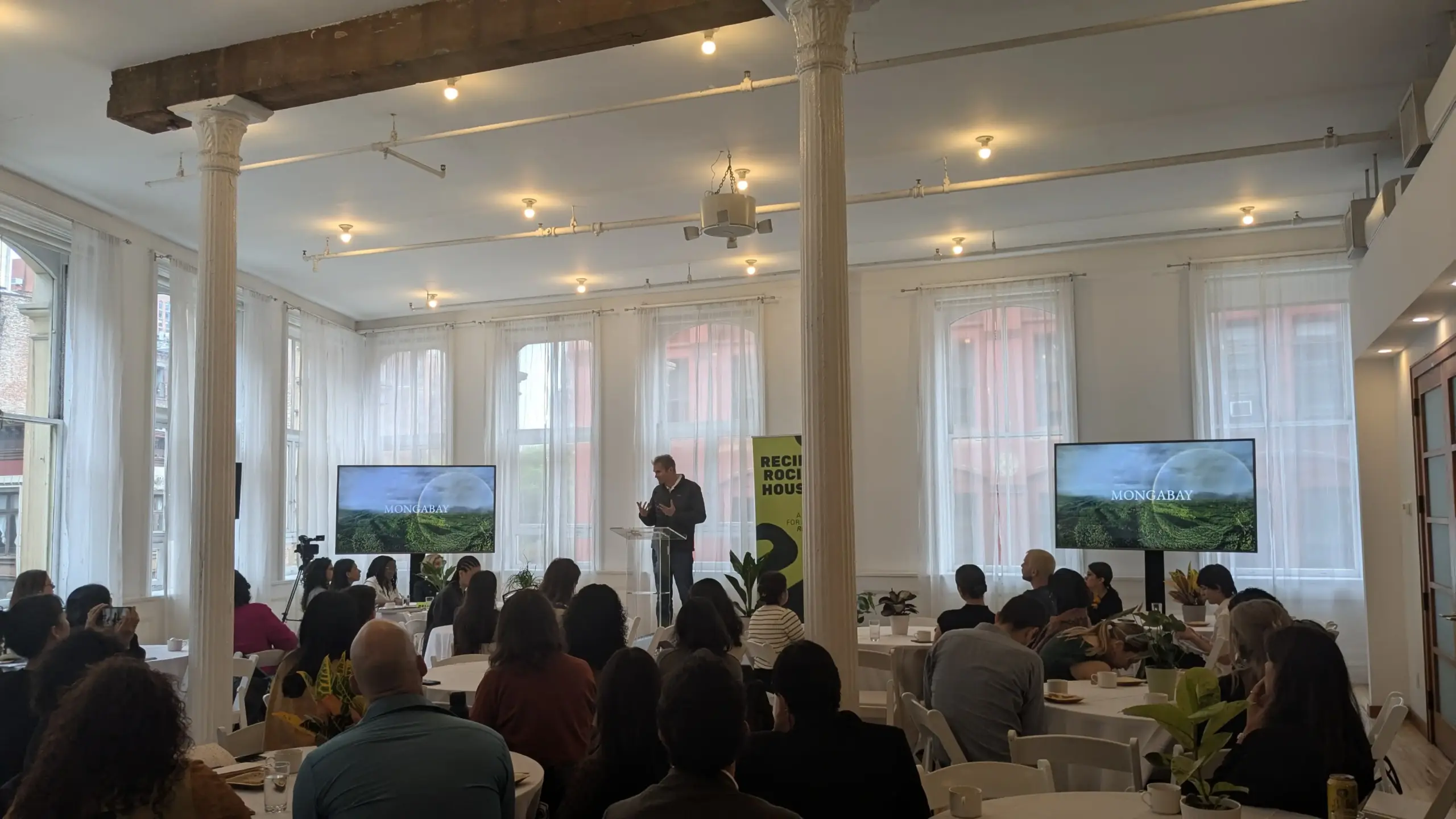
Mongabay’s panel at the Doris Duke Foundation’s Treehouse.
During the session, we reconnected with allies from Amazon Watch and the Rainforest Foundation US to exchange strategic ideas on forest preservation across Brazil.
We met the Goals House team at COP 30 in Belem and were invited to attend a series of events at the Goals House at the Tavern on the Green in Central Park. The Qatar Foundation sponsored our first Goals house event on traditional knowledge in today’s world called: Tradition Meets Tomorrow. Later, we attended a networking event at the Goals House featuring Indigenous DJ, film producer, and activist Eric Terena.
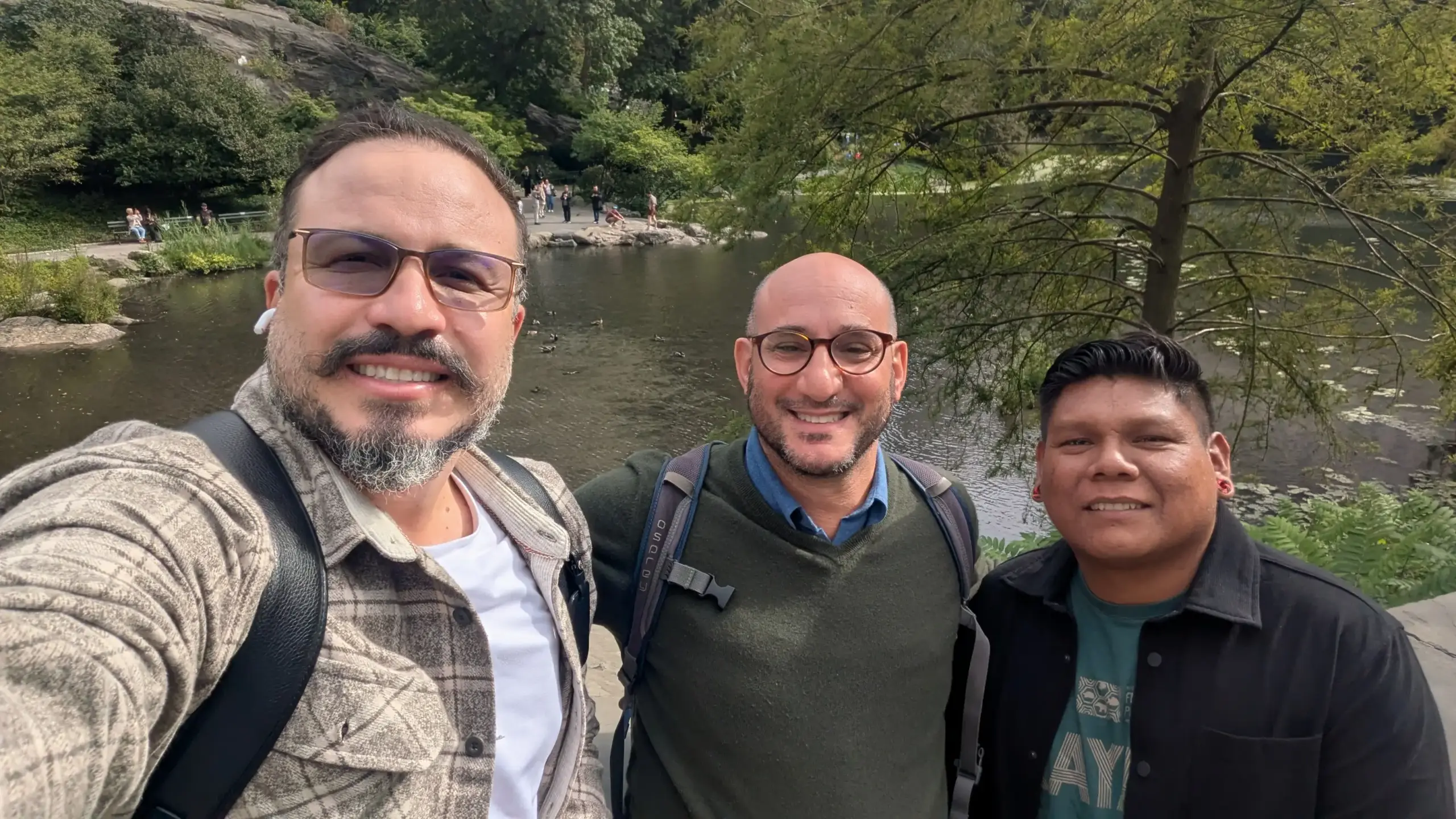
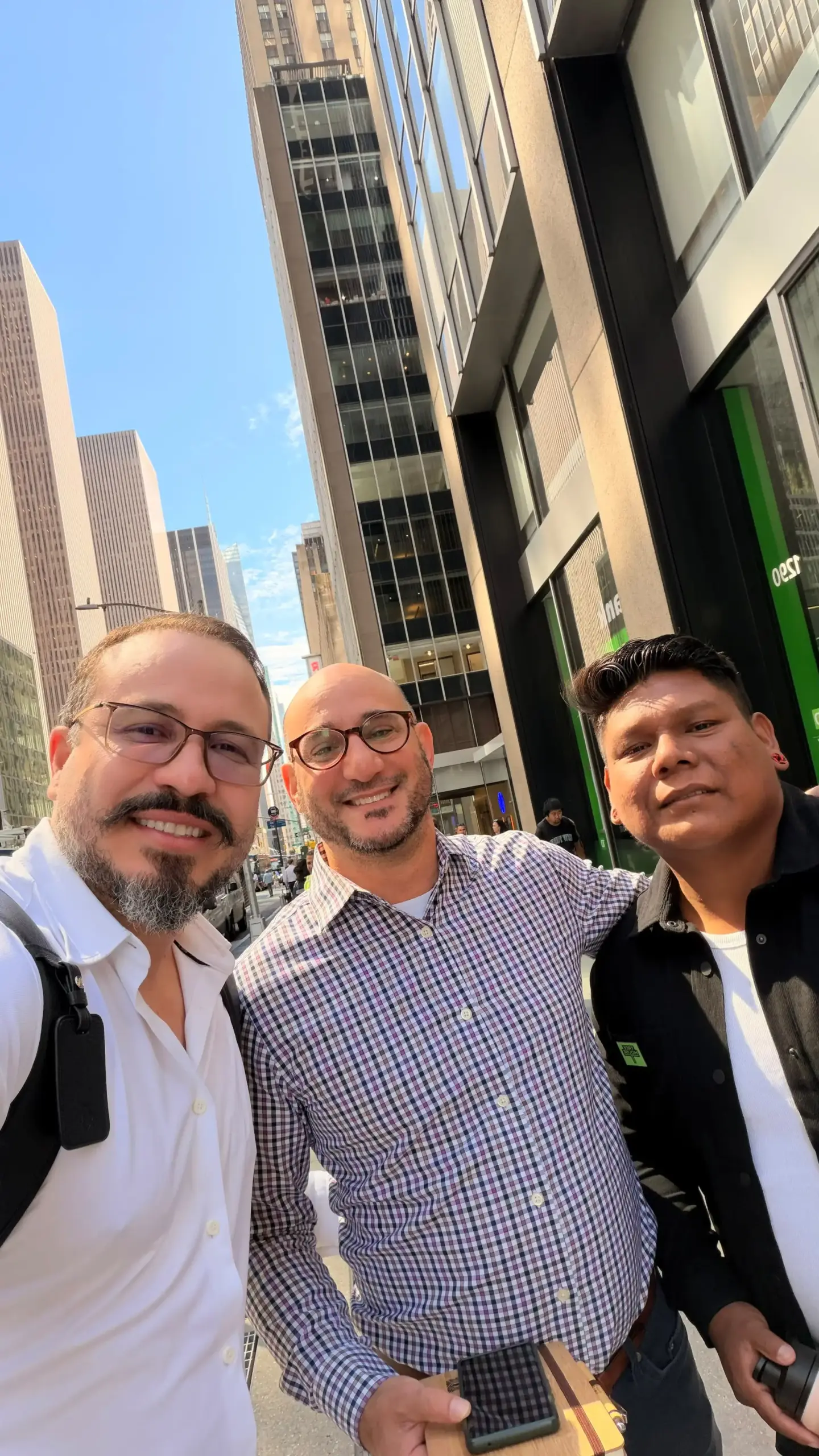
Thiago, Matthew and Patkore in Central Park.
Expanding Our Network
NY Climate Week is an incredible opportunity to meet and engage with new colleagues and partners. Patkore, Thiago, and were invited to discuss Indigenous finance solutions at the Global South House, sponsored by the Brazil Foundation. The event, featuring Alianza Socioambiental Fondos del Sur and Comua : Who gets to fund the future? Brought peers to discuss how funding can become more just and effective for the communities in the Global South already leading solutions for climate and nature?

Our delegation was also honored to attend the Thomas E. Lovejoy Award Ceremony and Reception, co-hosted by a coalition of leading environmental organizations:
Thomas E. Lovejoy Award · Co-hosts
GEF
WCS
WWF
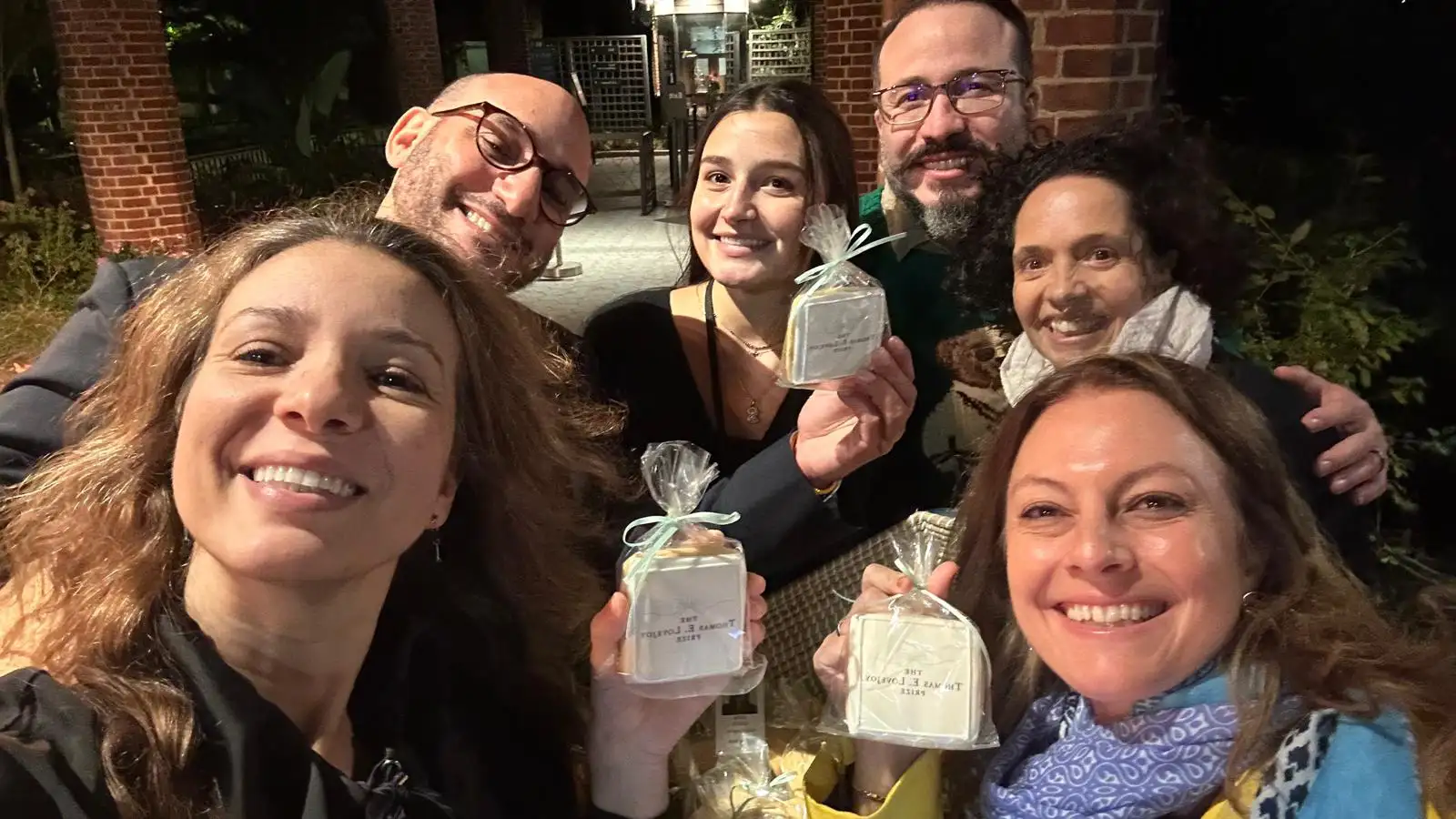
This year’s prestigious prize was awarded to renowned Brazilian scientist Carlos Nobre for his lifelong dedication to Amazon science. The evening provided a wonderful setting to reconnect with longtime friends and forge new partnerships.
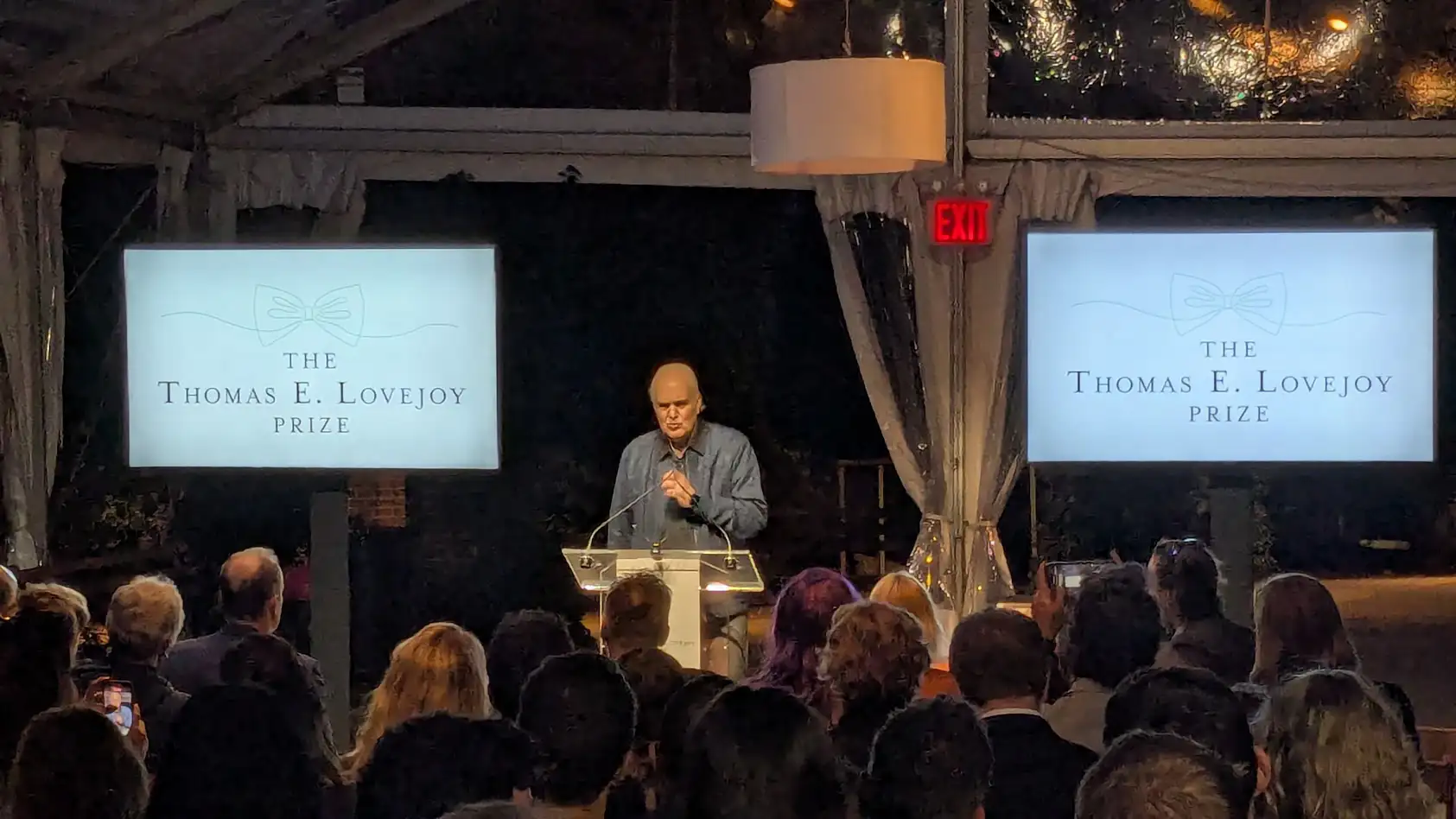
The Thomas E. Lovejoy Award Ceremony and Reception.
Indigenous Solutions for Climate Action
While networking and socializing was a big part of the week’s activities, we also participated in several important events and conversations about Indigenous and community-led solutions for access to nature-based finance and territorial monitoring.
Carbon Financing from the Bottom Up
Everland and The Wildlife Conservation Society convened an invite-only dialogue of Indigenous, conservation, finance and market leaders to explore how to build carbon projects from the ground up. The focus was on how to bridge the systemic gap in forest finance that brings projects from their concept phase to market and how catalytic and institutional capital can work together to bring high-impact, community-led forest conservation to scale. The dialogue emphasized the need for resource inputs at the initial stages to ensure compliance and mitigate risk for project viability and sustainability.
Bio Cultural Monitoring through Indigenous-led Design
At another invite-only dialogue Nia Tero and Conservation Metrics convened practitioners and donors at the Open Society Foundations offices to share and discuss Guardian Connector, an open-source secure data integration and monitoring platform.
Guardian connector is a possible tool that the Kayapo Project can integrate into the Forest School or the Guard Post programs.
The tool positions Indigenous Peoples to collect, manage and own data about their territories on their terms. It integrates across multiple platforms and streamlines the path of data collection to action, helping users create powerful advocacy tools that support guardianship of their lands and waters.
The Kayapo Project is an Important Voice for Indigenous-led Conservation
As one of the world’s most successful conservation initiatives, The Kayapo Project demonstrates that Indigenous autonomy and effective forest stewardship go hand in hand. Protecting over 9 million hectares of pristine Amazon rainforest while safeguarding Kayapo cultural heritage requires persistent advocacy, global solidarity, and sustained investment. Moving forward from NY Climate Week, we remain committed driving Indigenous-led climate solutions and amplifying community voices on the global stage.