The expedition was one of the first field activities of the Ancestral Trails project, approved under the Amazon+10 initiative. Coordinated by the Federal University of Pará (UFPA), the project is developed in partnership with the Federal University of Amazonas (UFAM), the University of São Paulo (USP), the State University of Campinas (Unicamp), the Federal University of Mato Grosso (Unemat) and the Protected Forest Association (AFP). The Amazon +10 initiative also has the support of the State Research Support Foundations (FAPs) of Mato Grosso (FAPEMAT), São Paulo (FAPESP), Amazonas (FAPEAM), and Pará (FAPESPA).
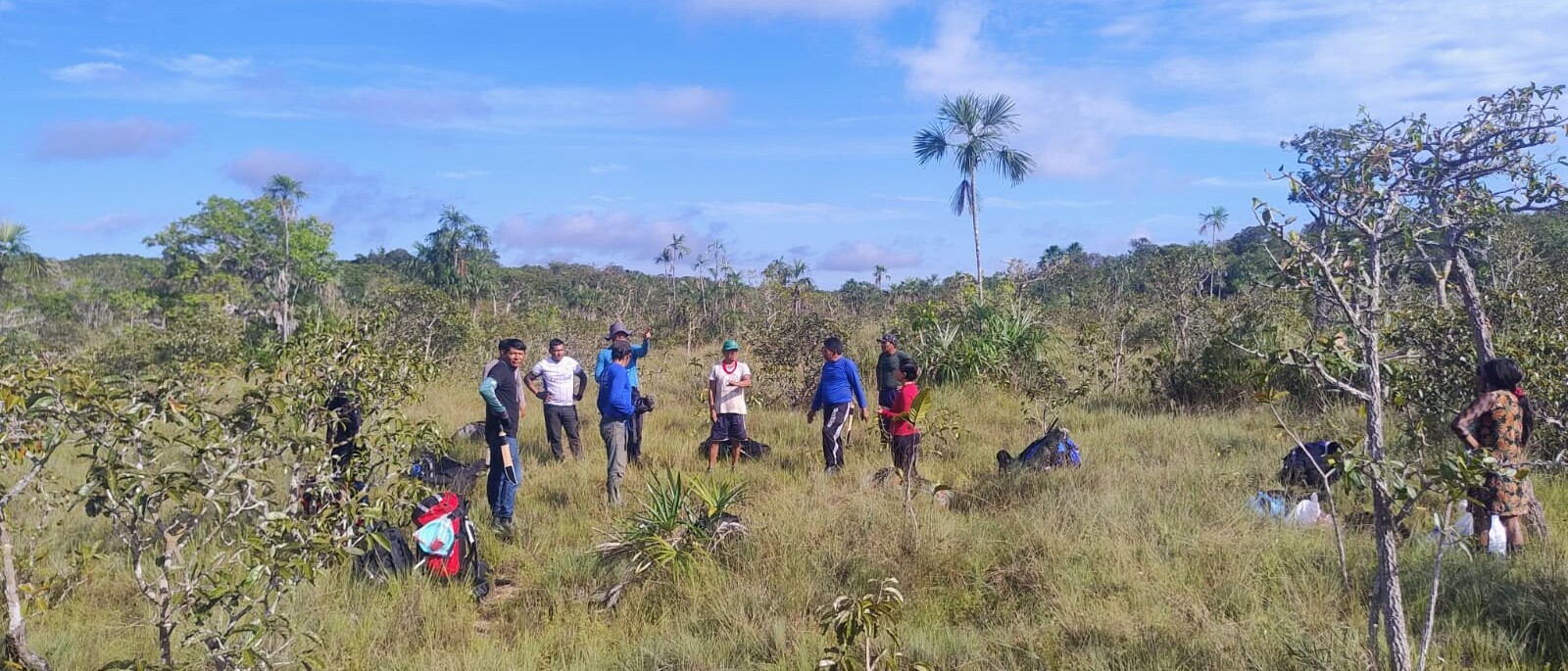
The project seeks to revisit historically important paths from a socio-environmental perspective to better understand the biodiversity of mammals, birds, and aquatic fauna in the context of regional agroextractivist production systems, considering different contexts of conservation and threat to natural resources.
From Kubenkàhnkej to Kokraimoro
The first expedition was carried out between May 31 and June 10, 2026 and its main objective was to reopen an old trail used by the Kayapó people, connecting the Kubenkàhnkej village, on the banks of the Riozinho River, to the Xingu River region, near the Kokraimoro village. The route, approximately 90 kilometers long, represents an important record of the history of occupation and circulation in the territory.
Two teams traveled between the rivers, —the Xingu Team and the Riozinho Team — starting from opposite ends of the trails The teams were composed of Kayapó indigenous and non-indigenous collaborators, including men and women of different age groups. The two teams walked towards the meeting point, reconstructing the ancestral path.
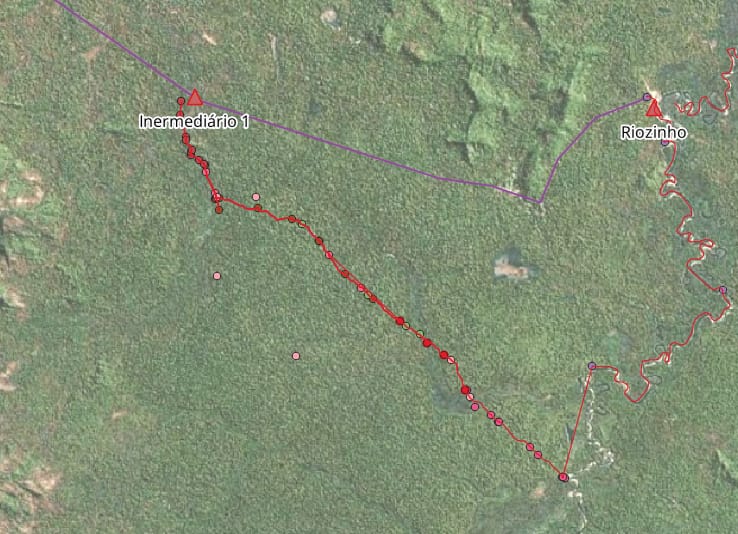
Throughout the expedition, in addition to the reopening of the trail, traditionally managed Brazil nut trees, old areas of Indigenous occupation and traces of local fauna were identified and recorded. As part of the project’s scientific protocol, camera traps were also installed to inventory the region’s biodiversity.
The route revealed an expressive diversity of Amazonian environments, including upland forests with large trees and open understory, old scrublands with dense vegetation and an abundance of lianas, shoal areas dominated by palm trees and waterlogged soils, as well as igapós subject to flooding during the rainy season.
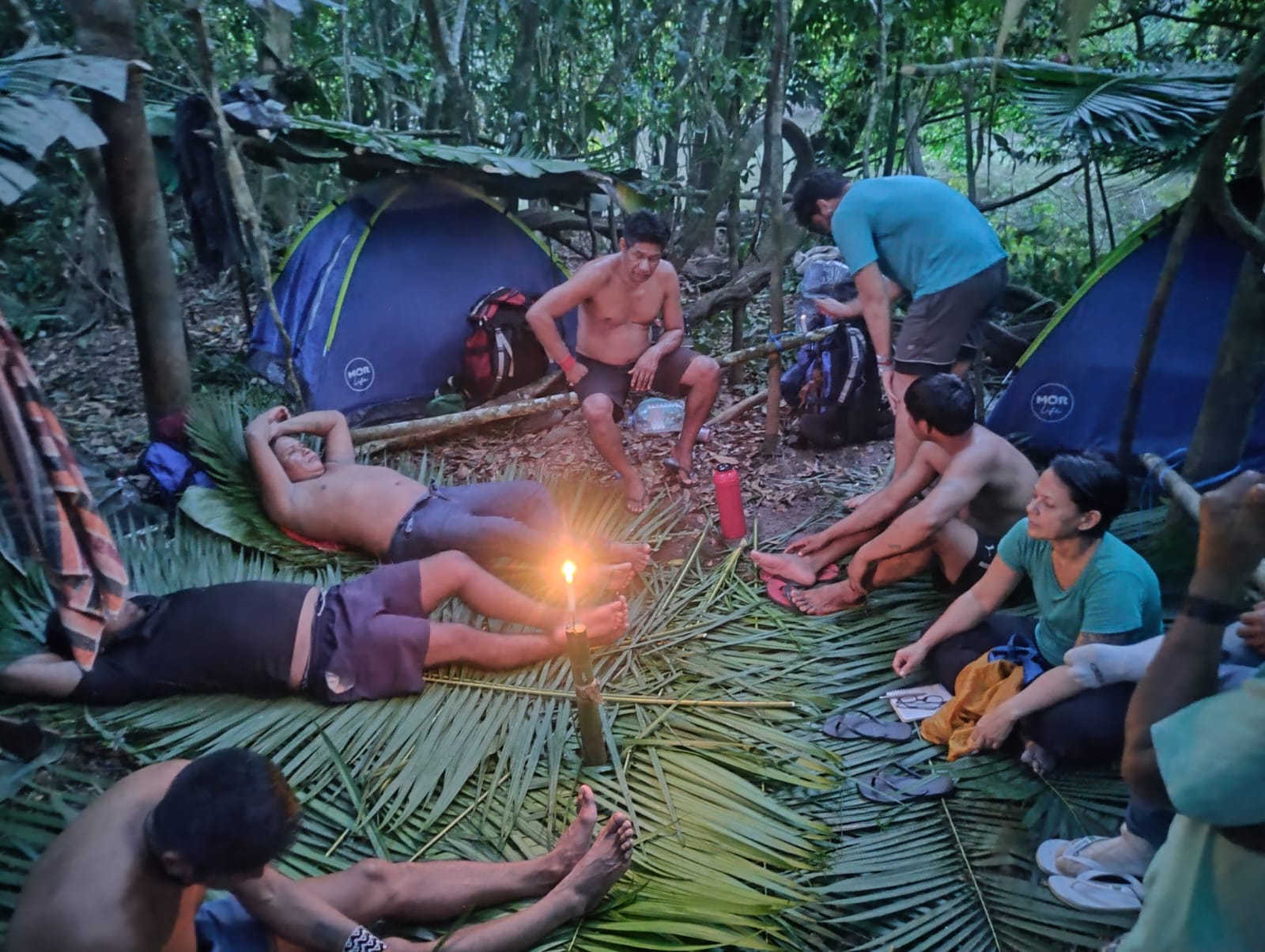
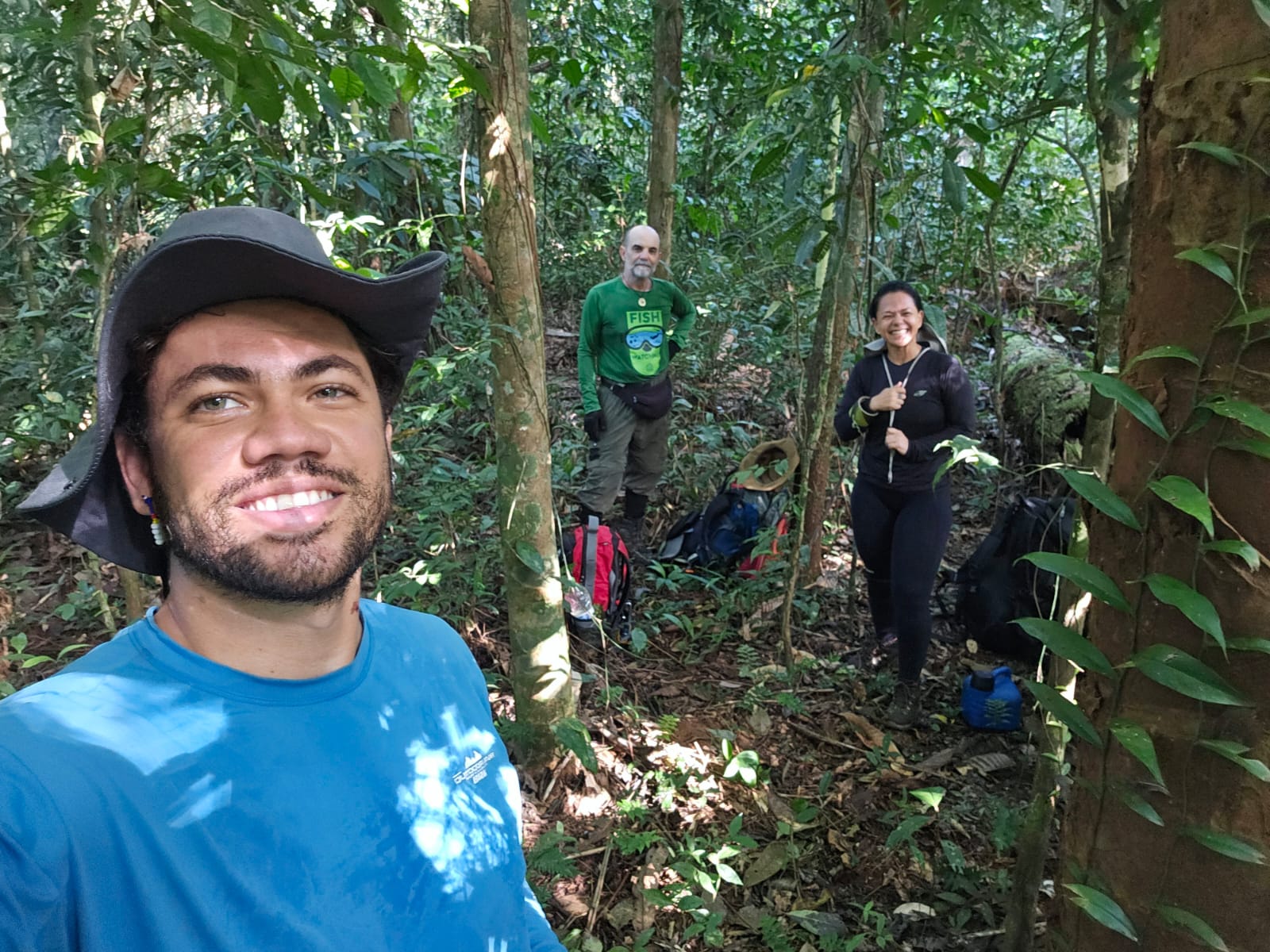
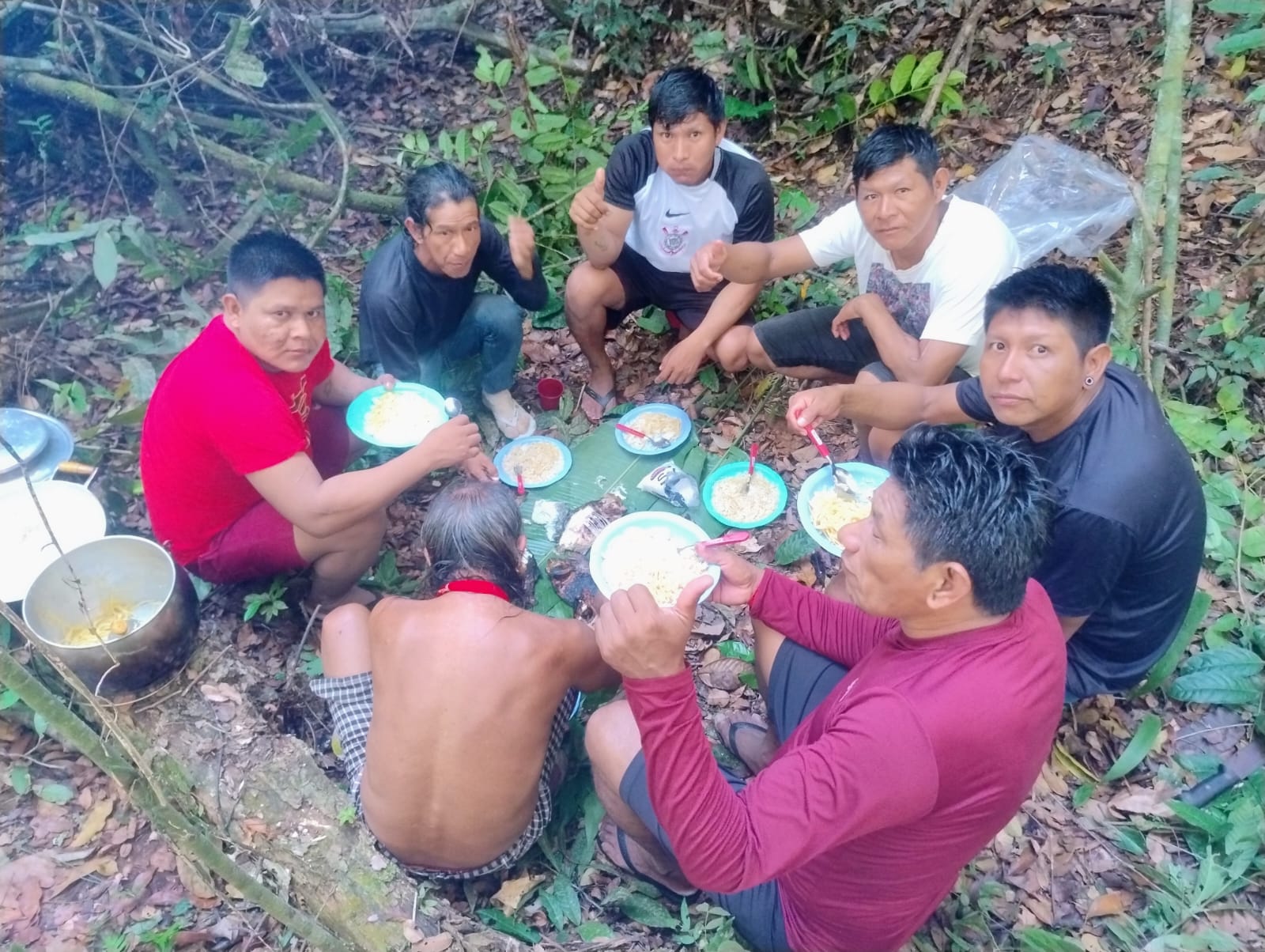
More than reopening a trail, the expedition strengthened the exchange between traditional knowledge and scientific research, laying the foundations for the next stages of the project. The information obtained will be fundamental for the planning of the main expedition, scheduled for the first half of 2027, when the team will be expanded with researchers from the areas of anthropology, archeology, ecology and other specialties.