
Tuire Kayapo | Indigenous Leader and Icon of Amazon Resistance
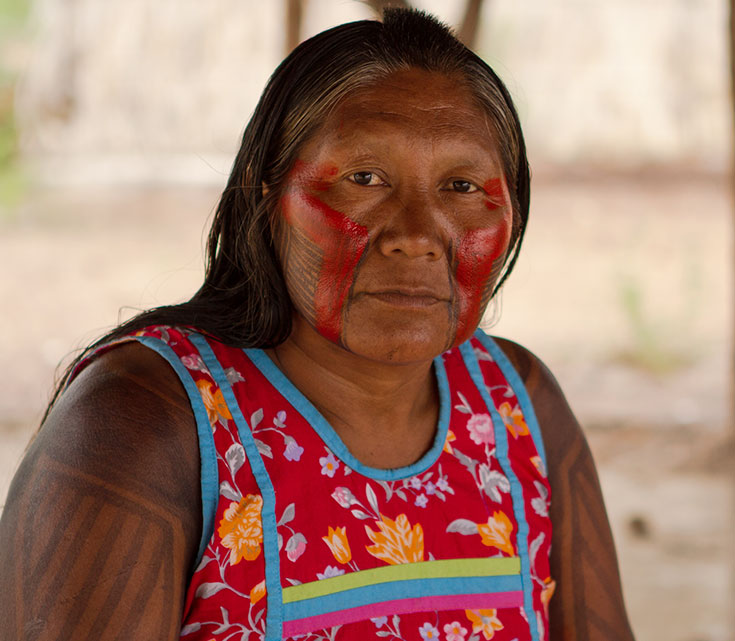
You're asking where my land is — the land of my grandparents, my mother, the land where I was born. That land is the Xingu. It’s the land where my ancestors were first contacted. I grew up there and became a young woman.
The Story of Tuíre Kayapó: Warrior, Mother, and Defender of the Xingu River
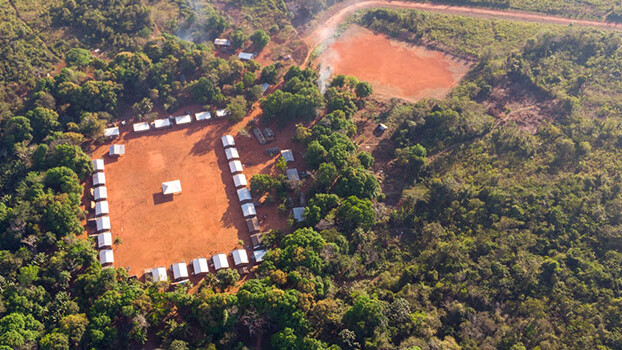
Tuíre was born in the Xingu, a land she refers to as her “mother land.” Her early years were marked by movement between different Kayapó villages: from growing up with her grandmother in Kubẽnkrankej, to living in A’ukre where she had her first child, and later to Gorotire. Despite this movement, the Xingu has remained central to her identity — the land where her ancestors were first contacted, and the home she continues to defend.
As a female chief (cacica), Tuíre has played a groundbreaking role in a culture where leadership has historically been male-dominated. Her actions inspired generations and shifted global attention to the voices of Indigenous women, the defense of the Amazon, and the rights of original peoples.
© Simone Giovine
© Giulianne Martins
My father wanted to take me to his land, the village of Kubẽnkrankej, so he took me to meet my relatives there. Then my father’s brother went to help establish the village of A’ukre, and he took me there. It was in that village that I had my first child. But the land where I was born is the Xingu — that is my motherland. That’s why I get angry when people are destroying the Xingu. I want my land to always be preserved.
Early life – From Xingu to A’ukre
Tuíre was born in the Xingu, a land she refers to as her “mother land.” Her early years were marked by movement between different Kayapo villages: from growing up with her grandmother in Kubẽnkrankej, to living in A’ukre where she had her first child, and later to Gorotire. Despite this movement, the Xingu has remained central to her identity — the land where her ancestors were first contacted, and the home she continues to defend.
A’ukre village © Pedro Peloso
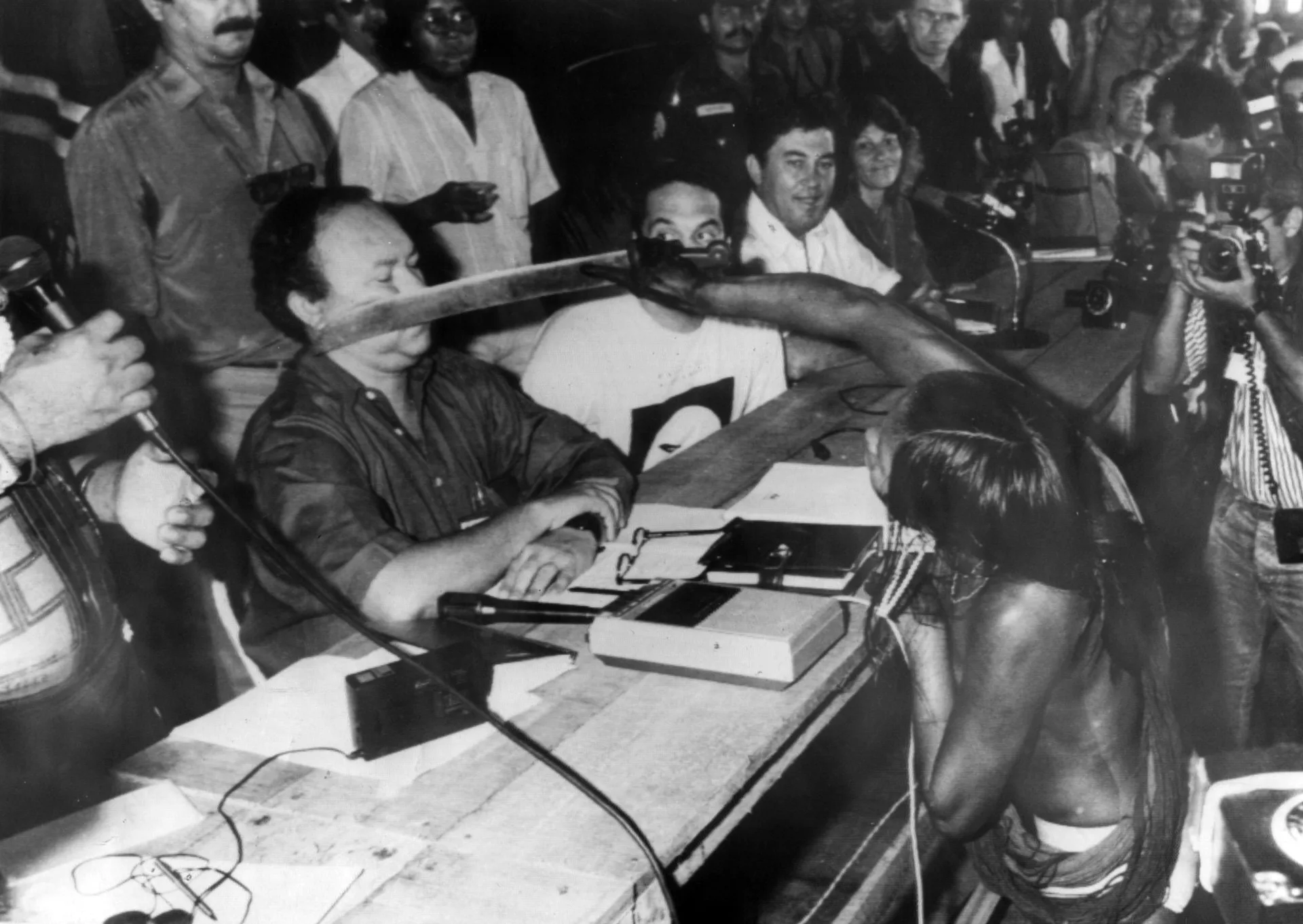
So that’s how it was. I grew up with my grandmother in Kubẽnkrankej, then I went to A’ukre with relatives. There, I grew up and learned about the white people. While I was in A’ukre, I went to the Altamira gathering. That’s where I heard white men saying they were going to do bad things to my land in the Xingu. But that land is mine — it’s not theirs. That’s when I grabbed the machete and held it in front of the white man’s face. That image was photographed, and people everywhere began to see it.
“This Is My Land” – The Altamira Gathering
In 1989, Tuíre Kayapó stood at the frontlines of one of the most pivotal moments in Indigenous resistance in the Amazon. At the Altamira Gathering, a landmark meeting of Indigenous peoples, environmentalists, and activists, she confronted José Muniz Lopes — then-director of the state-run utility Eletronorte — by pressing her machete to his face in protest of the proposed Kararaô Dam, later renamed Belo Monte.
The project, which threatened to flood large portions of Kayapó territory and disrupt the Xingu River’s fragile ecosystem, drew international attention. Tuíre’s defiant act, captured in a now-iconic photograph, became a global symbol of Indigenous courage, female leadership, and resistance to environmental destruction.
Her actions, and the wider mobilization of Indigenous peoples at Altamira, successfully halted the dam’s construction—at least temporarily. However, decades later, Belo Monte was revived and ultimately completed in 2016, despite widespread protests and ecological concerns. Yet the 1989 protest marked a turning point not only in Tuíre’s life, but in the global Indigenous rights movement. It elevated the voices of Indigenous women in Brazil and inspired new forms of resistance across the Amazon.
Protássio Nêne/Estadão Content – 1989
Following Altamira, Tuíre remained politically active for the rest of her life. She became a powerful voice in Brasília, opposing harmful legislation such as the Marco Temporal bill and standing alongside other Indigenous women in national and international movements. She participated in the Indigenous Women’s March in 2019, a historic mobilization that brought together women leaders from across Brazil to demand rights, territory, and respect.
© Giulianne Martins
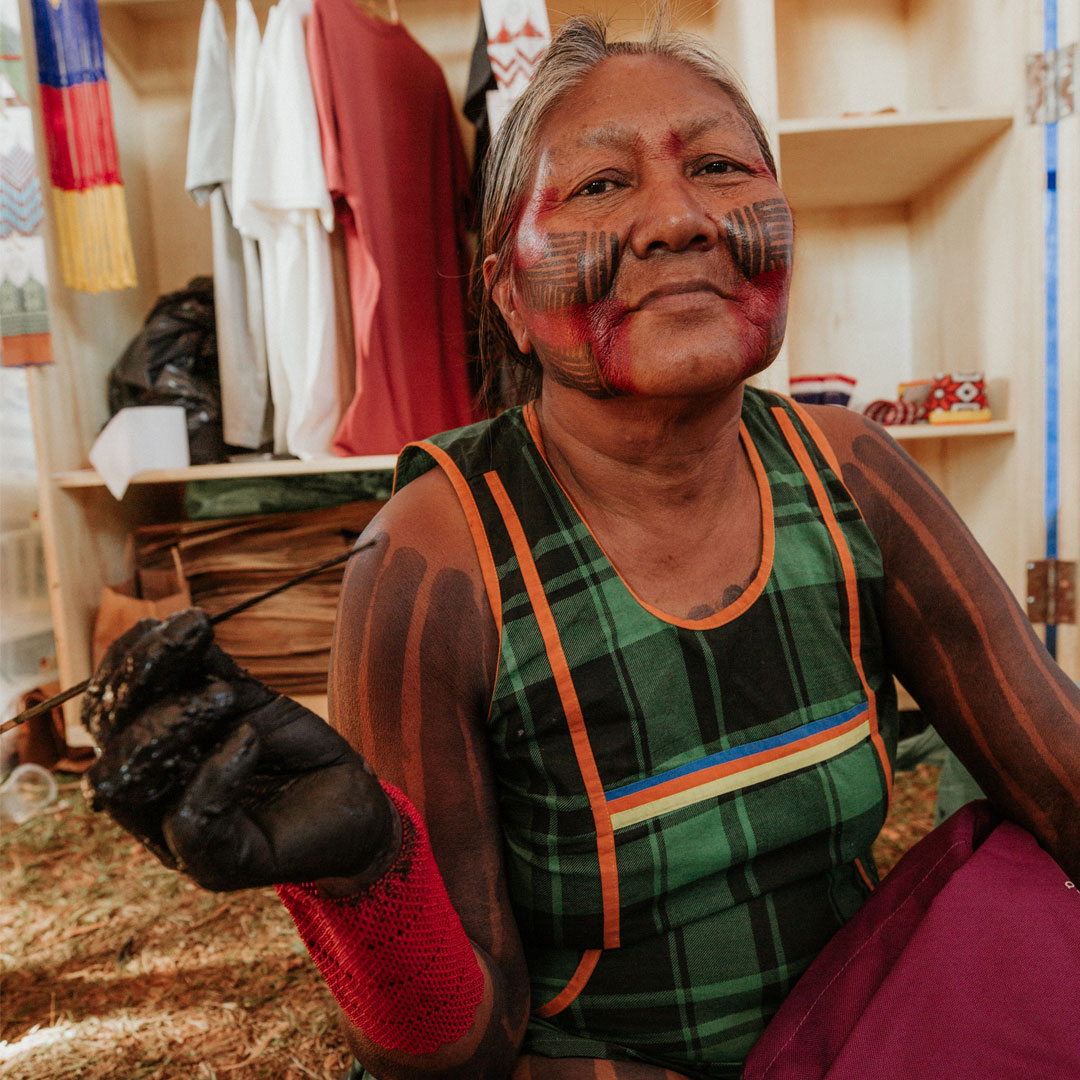
I learned to sew with a woman named Mariana, who brought two manual sewing machines for us. We didn’t have many clothes, so a lot of people learned to sew at that time. My mother taught me. Many young women sewed because we had no way to get clothing (...) So I began traveling throughout Kayapо territory, always searching for a way to start a sewing project again. And now we’ve succeeded — we’re working with sewing again. This project must continue. I’m sick and unable to help right now, but it’s up to you to keep the sewing project going.
Empowering Kayapó Women: Tuíre Kayapó’s Leadership Through Protest and Sewing
Tuíre Kayapo’s leadership did not end with protest — it evolved. Throughout her life, she remained politically active, but her vision also expanded into education, economic empowerment, and cultural resilience. In 2017, she helped establish the first women-led sewing house in Mẽbêngôkre territory. These sewing projects provided Indigenous women with skills, income, and a space for creative expression. In doing so, Tuíre transformed her resistance into construction — turning the machete of defiance into a needle of possibility. Her work helped build pathways to autonomy and dignity for a new generation of Kayapo women.
© Giulianne Martins
Legacy and Impact
Tuíre Kayapó’s defiance at Altamira sparked a legacy of leadership that continues to shape Indigenous politics today. As a cacica, mother, and grandmother, she helped pave the way for a new generation of Indigenous women leaders, including national figures like Sônia Guajajara, Brazil’s first Minister of Indigenous Peoples, and federal deputy Célia Xakriabá.
Her transition from symbolic protest to community-building — such as launching women-led sewing houses in Kayapó territory — reflects a lifelong commitment to empowerment, autonomy, and cultural resilience. Whether with a machete or a sewing needle, Tuíre led by example, transforming resistance into renewal.
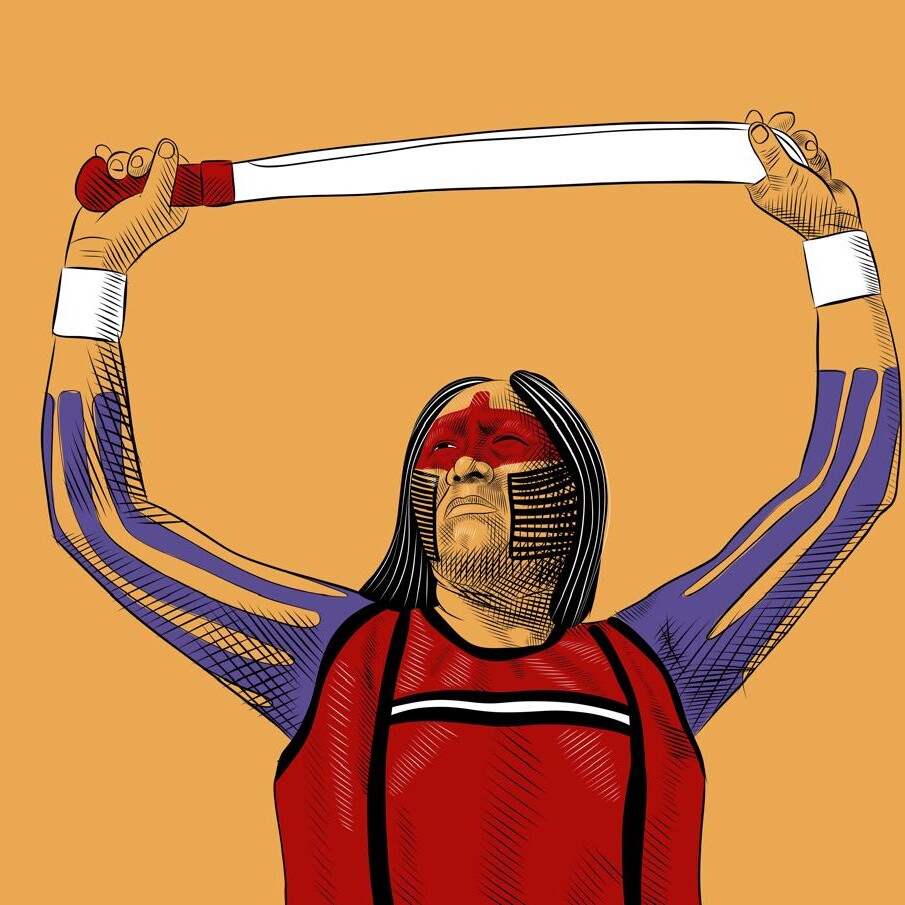
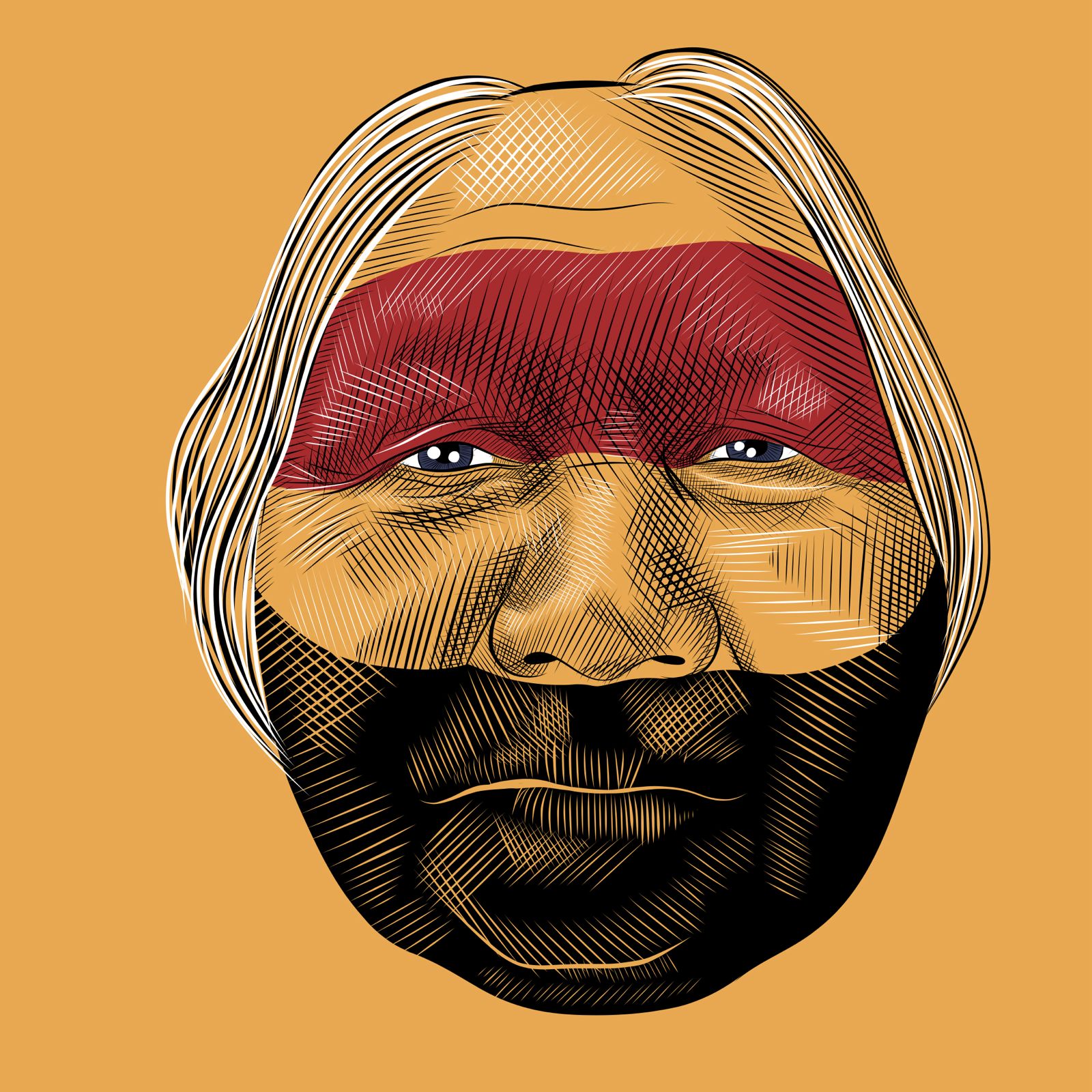
Illustrations by © Carolina Sobreiro
Help us continue the work of Tuíre and other Kayapó leaders by supporting Indigenous-led initiatives.

Chief Raoni
Chief Raoni Metuktire, also known simply as Chief Raoni or Ropni, was born in 1932 in the village of Krajmopyjakare (now known as Kapôt), deep in Kayapo territory. Over the decades, he has become a global icon of Indigenous resistance and environmental protection. As a lifelong leader of the Kayapo people, Raoni has stood at the intersection of ancestral wisdom and modern diplomacy—championing Indigenous rights, forest preservation, and the dignity of his people on the world stage.
Internationally recognized as a living symbol of the fight to preserve the Amazon and Indigenous cultures, Raoni has inspired millions of environmentalists and activists across generations. His legacy is not just one of advocacy, but of lasting, tangible victories for the forest and its people.
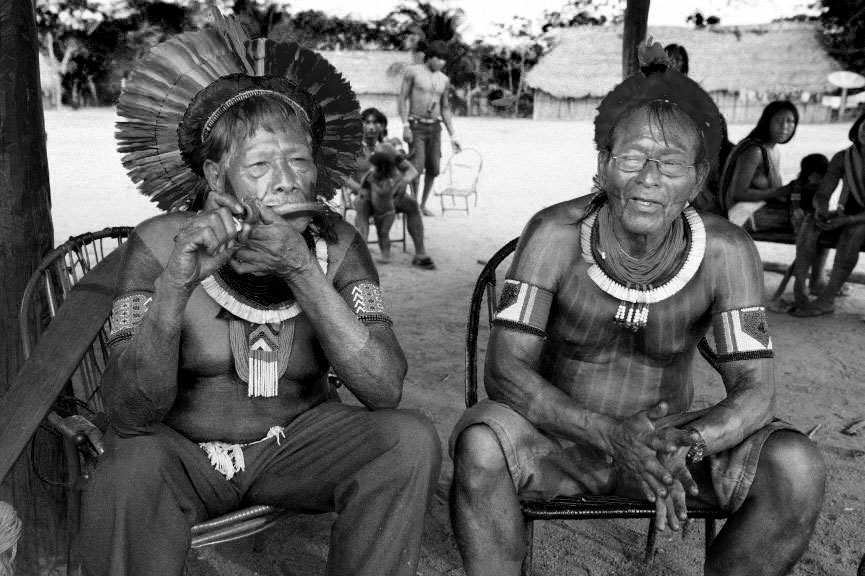
Photo: Martin Schoeller
Raoni's Historic Life & Global Impact
Raoni first encountered the outside world in 1954, at age 22, alongside other members of the Metuktire group of the Kayapo. It was a turning point that marked the beginning of a lifetime spent navigating two worlds: defending Kayapo lands from outside encroachment while building strategic alliances beyond the forest.
His rise to international prominence began in 1987, when the British musician Sting visited him in the Xingu region. This meeting sparked a global campaign to support the Kayapo’s efforts to stop deforestation and resist mega-projects like the Belo Monte Dam—which threatened to flood Indigenous lands and devastate the ecosystem.
From April to June 1989, Raoni toured 17 countries with Sting. This landmark campaign led to the creation of 12 rainforest foundations around the world, helping raise funds for what would become one of the largest protected Indigenous rainforest reserves in the world.
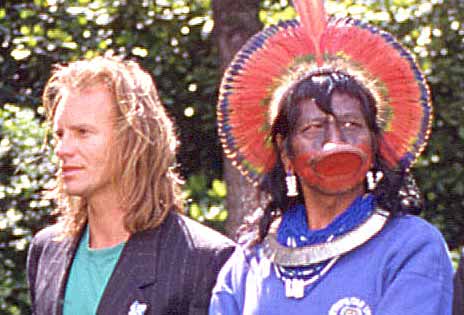
Raoni with Sting in 1989 in Paris, Photo:
"The deforestation of the Amazon's forests is not good for us Indigenous peoples, and white man needs to rethink and preserve what remains of the Amazon" - Raoni Metuktire
In 1993, thanks to global support and local organizing, Raoni’s vision became reality: the Xingu Indigenous Lands were unified across the Baú, Kaiapó, Panará, Kapôt Jarina, Bàdjumkôre, and Mekragnotire territories. These lands now span over 180,000 km² and are recognized under Brazil’s Constitution—one of the most significant achievements in Indigenous land protection worldwide.
Raoni’s work did not stop there. In the decades that followed, he continued to advocate globally:
-
In 2000, he met French President Jacques Chirac, who called him a “living symbol of the fight for the environment.”
-
In 2001, he traveled to Quebec to meet with the Innu people.
-
In 2007, he visited Japan to share his message.
-
In 2010, during a campaign in Europe, he openly declared resistance against the Belo Monte Dam:
“I asked my warriors to be ready for war. I told the tribes of the Upper Xingu the same. We will not be pushed around.”
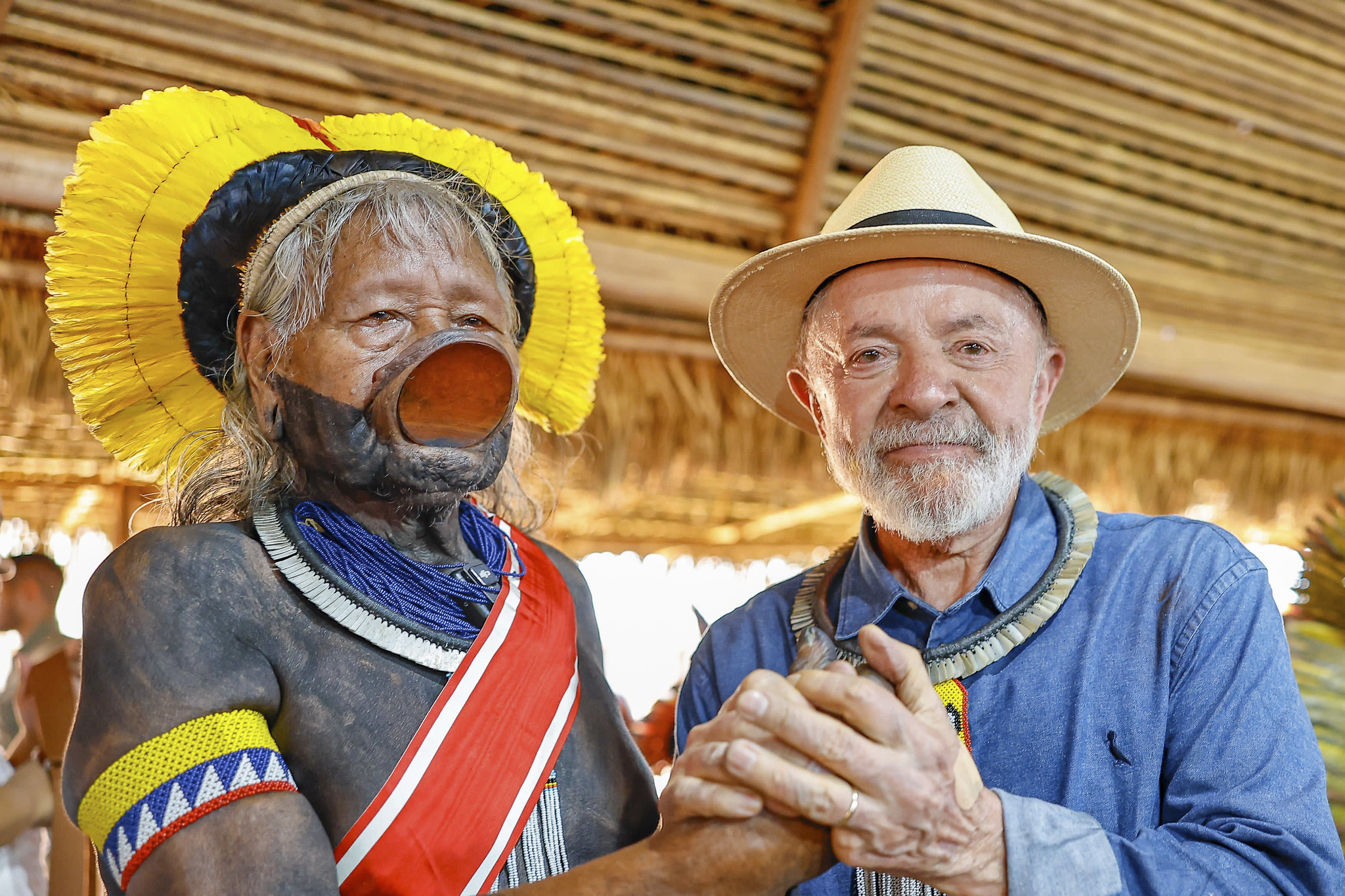
President Lula da Silva visiting Kayapo Territory Photo: Ricardo-Stuckert
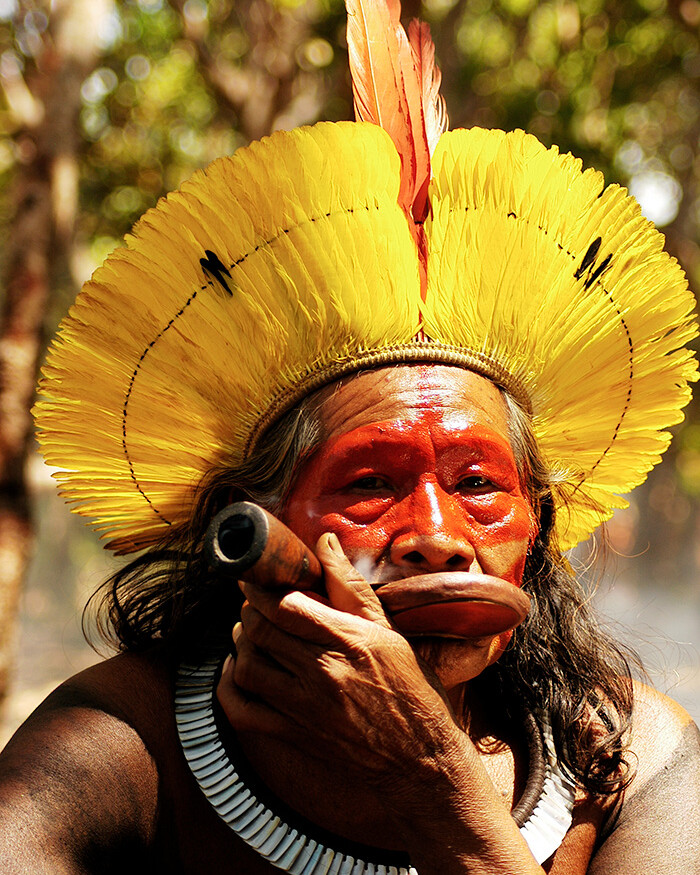
Photo: Rainforest Foundation Japan
Even into his 90s, Raoni remains an active leader. On January 1, 2023, he participated in the inauguration ceremony of Brazil’s President Luiz Inácio Lula da Silva, symbolizing the continued relevance and strength of Indigenous voices in national politics.
"You need to understand that if you don't preserve the forest, we will all have problems, all of us!" - Raoni Metuktire
Indigenous Values in Action
Raoni’s life reflects the core values of the Kayapo people: territorial defense, collective leadership, cultural pride, and resilience. He has consistently embodied the principle that the forest and its people are inseparable—that defending one means protecting both.
While he has met with presidents and appeared on global stages, Raoni has never strayed from his Kayapo identity. His warrior spirit, rooted in generations of Kayapo resistance, guides his diplomacy. He speaks not only as a representative of his people but also as a messenger for all Indigenous nations whose lands and ways of life are under threat.
Chief Raoni is more than a historical figure—he is living proof of the power of Indigenous leadership to shape the future of the planet.
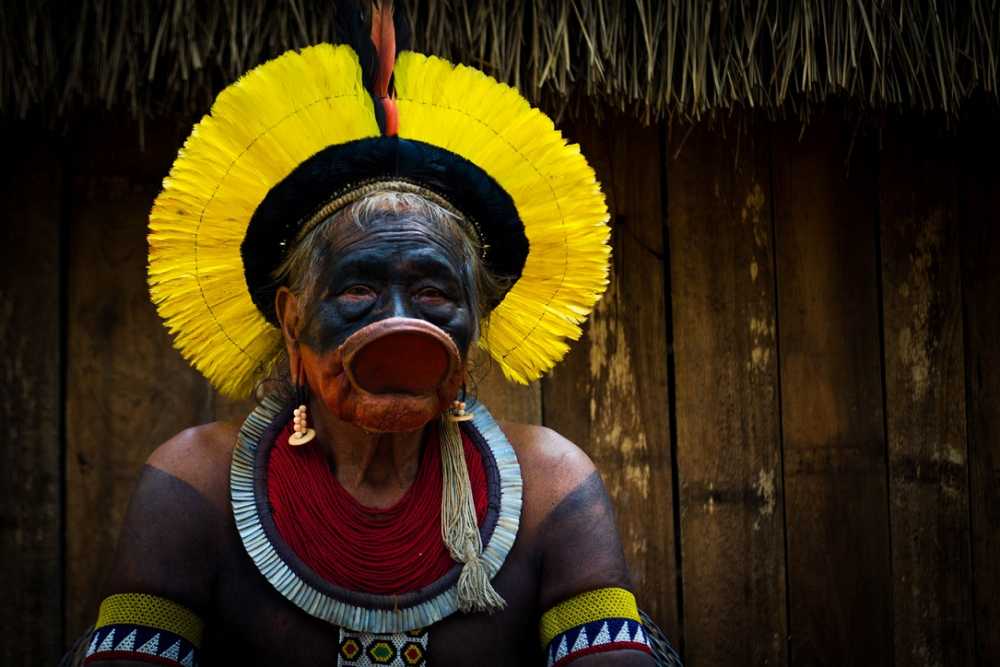
Photo: Rafael Forsetto