The Prince Albert II of Monaco Foundation launches a new partnership with Associação Floresta Protegida
Safeguarding Indigenous Land and Culture: Prince Albert II of Monaco Foundation Announces Partners with the Associação Floresta Protegida and the Kayapo People in the Brazilian Amazon
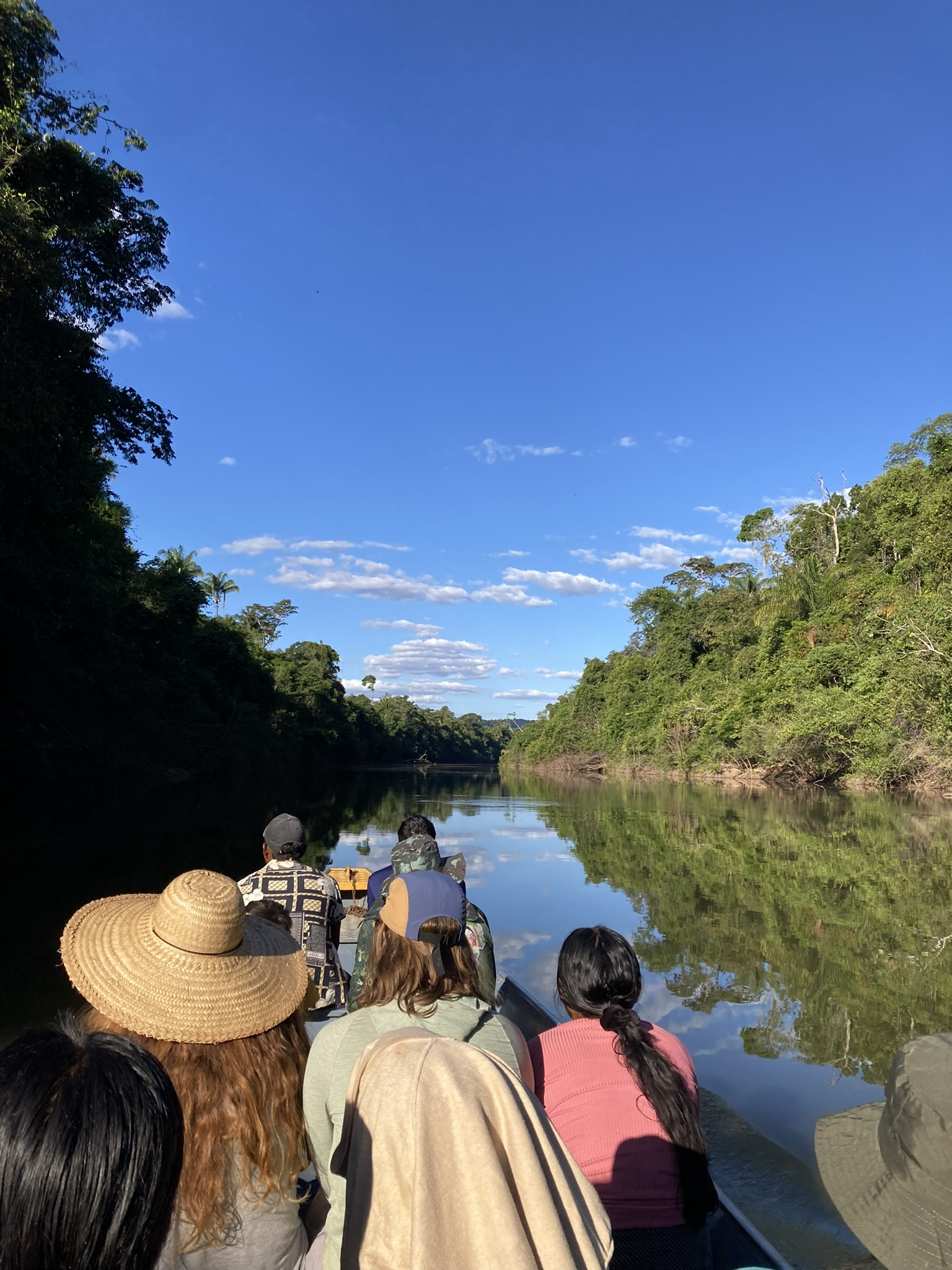
The Mebêngôkre-Kayapó-led Associação Floresta Protegida (AFP – Protected Forest Association) and the Kayapo Project are pleased to announce a new partnership with the Prince Albert II of Monaco Foundation’s Forest and Communities Initiative (FCI). This collaboration will help strengthen the Kayapó people’s long-standing efforts to safeguard approximately 9.4 million hectares of tropical forest across six federally demarcated Indigenous Territories in south-central Pará and northern Mato Grosso.
Home to nearly 12,000 people, these lands form a vital ecological barrier against deforestation in one of the most threatened regions of the Amazon Basin. Together, The Prince Albert of Monaco Foundation and the AFP will fortify the protection of Kayapo culture and lands through community-led education and territorial monitoring and surveillance programs.
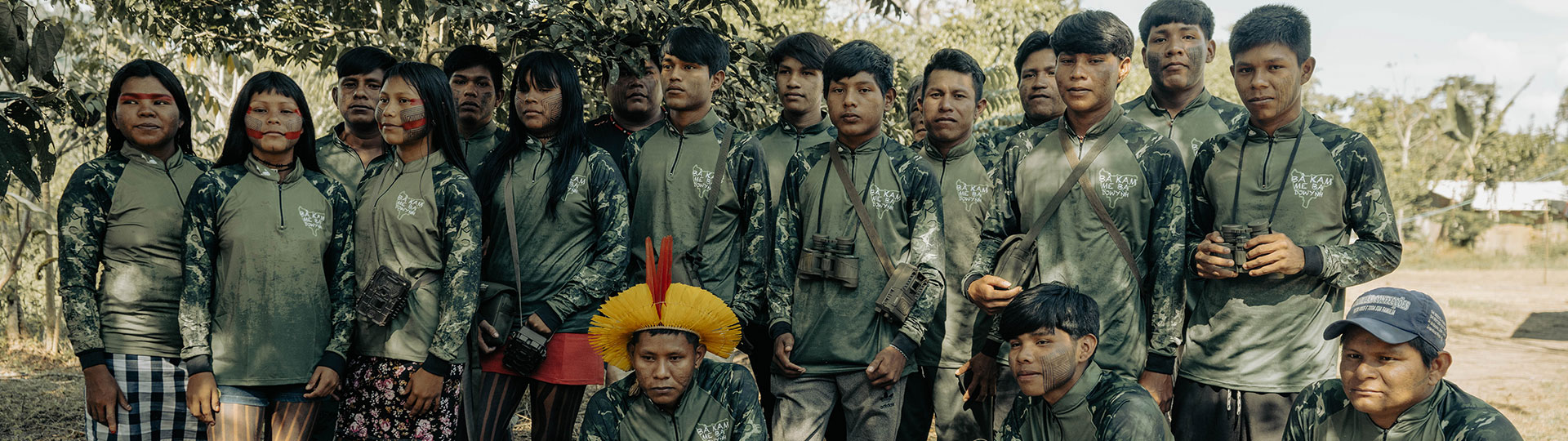
From 2026-2028, the FCI will work with the AFP and the Kayapo Project to support and implement the Kayapo Forest School to prepare the next generation of Kayapo leaders. Each year, the Kayapo Forest School will provide hundreds of Kayapo youth a five-day field program that integrates traditional Indigenous knowledge with conservation technologies such as drones and camera traps. Each year of the partnership, the Kayapo Forest school will expand to other regions of the Kayapo managed Indigenous lands.
At the same time, the FCI will support the Kayapo territorial monitoring and surveillance guard post program. The guard post program trains and employs more than 1,500 Kayapo guardians to protect more than 2200km of Kayapo border from invasion. The guard posts are a clear signal that the Kayapo are organized and prepared to protect their territory from land invasions.
Together, these initiatives will ensure that Kayapo lands and culture are safeguarded for future generations.
Patkore Kayapo, President of AFP said: “The Forests and Communities Initiative provides important resources directly to Indigenous associations and communities. The partnership with the Prince Albert of Monaco Foundation will provide essential support for the protection of Kayapo culture, rivers, lands, and biodiversity. The partnership reinforces durable Indigenous governance and autonomy.”
Romain Ciarlet, Vice-Chairman and CEO, Prince Albert II of Monaco Foundation, added: “Protecting the world’s forests requires strong partnerships with those who have safeguarded them for generations. Indigenous peoples are not only guardians of biodiversity; they are key actors in the global response to climate and environmental challenges. Through the Forests and Communities Initiative, the Prince Albert II of Monaco Foundation is committed to strengthening Indigenous-led conservation by supporting local governance, education and territorial protection.”
About the Forests and Communities Initiative
The mission of the Forests and Communities Initiative is to support conservation of forest ecosystems through the action of indigenous peoples and local communities (IP and LCs) and through the development of a supporting network of actors providing a multidisciplinary set of expertise. To learn more about the Forests and Communities Initiative, visit www.forestsandcommunitiesinitiative.org.
About the Prince Albert II of Monaco Foundation
Founded by HSH Prince Albert II of Monaco in 2006, the Foundation is a global non-profit organisation dedicated to advancing planetary health for current and future generations. It co-creates initiatives and supports hundreds of projects in three priority areas: the Mediterranean Basin, the Polar Regions, and the Least Developed Countries (as classified by the United Nations). Its key missions include preserving endangered species, protecting freshwater ecosystems, developing a sustainable blue economy, and supporting the younger generations.
About the Kayapo Project
The Kayapo Project, a flagship program of Biome Conservation, is an Indigenous-led NGO alliance ensuring Mebêngôkre-Kayapo (Kayapo) cultural, economic, political, and territorial autonomy over more than nine million hectares of federally demarcated Indigenous lands located in the highly threatened southeastern Amazon. For more on the Kayapo Project, visit kayapo.org.
About Associação Floresta Protegida
The Associacao Floresta Protegida is an Indigenous-led nonprofit organization based in Tucumã, in the Brazilian State of Pará. The AFP works with 43 communities in the Kayapo, Menkragnoti, and Las Casas Indigenous Territories. Visit florestaprotegida.org.br to learn more.


Reflection on My First Four Months in Brazil with the Kayapo Project
This article was originally published online by the Dartmouth College Center for Social Impact.
Hi! My name is Claire Wigglesworth ’25, and I am a Lewin Fellow working with the Kayapo Project’s Associação Floresta Protegida (AFP – Protected Forests Association) in Pará, Brazil. The Kayapo Project supports Mebengokre Kayapo autonomy and culture, work that also contributes to protecting an enormous expanse of territory within Brazil’s arc of deforestation.
From Conservation Studies to Community Work
I’ve long been drawn to conservation and environmental protection work. Before coming to Dartmouth, I worked with two AmeriCorps conservation corps. Although I majored in Biology and minored in Environmental Studies, I realized during my junior year that I wanted to support local, grassroots initiatives through NGO work, not just study ecosystems without interacting with communities.
When I learned about the Lewin Fellowship, I saw the perfect pathway to do that. The fellowship allowed me to collaborate directly with a locally led organization – one I otherwise couldn’t have worked with, and to contribute my skills in a meaningful, community-centered way.
I had read about the Kayapo Project before, so I reached out to my now-advisor, Matt Aruch, Director of Indigenous Programs at Biome Conservation (a North American partner of AFP). He was enthusiastic about the possibility of me spending the year with AFP and highlighted two major areas where I could contribute: strengthening communications between the partner organizations and supporting the ecotourism and education programs. Both of these programs prioritize Kayapo leadership and decision-making, with key planning happening at large annual assemblies of village chiefs and representatives.
Connecting with the Kayapo Project
I had read about the Kayapo Project before, so I reached out to my now-advisor, Matt Aruch, Director of Indigenous Programs at Biome Conservation (a North American partner of AFP). He was enthusiastic about the possibility of me spending the year with AFP and highlighted two major areas where I could contribute: strengthening communications between the partner organizations and supporting the ecotourism and education programs. Both of these programs prioritize Kayapo leadership and decision-making, with key planning happening at large annual assemblies of village chiefs and representatives.
First Experiences in Kayapo Territory
Soon after graduation, it was time to move to Tucumã, a small town near the Kayapo territory. Before beginning my fellowship work, I participated in the Field Course Program, which brings university students to A’ukre, one of the Kayapó villages, for an international exchange. This experience was invaluable.
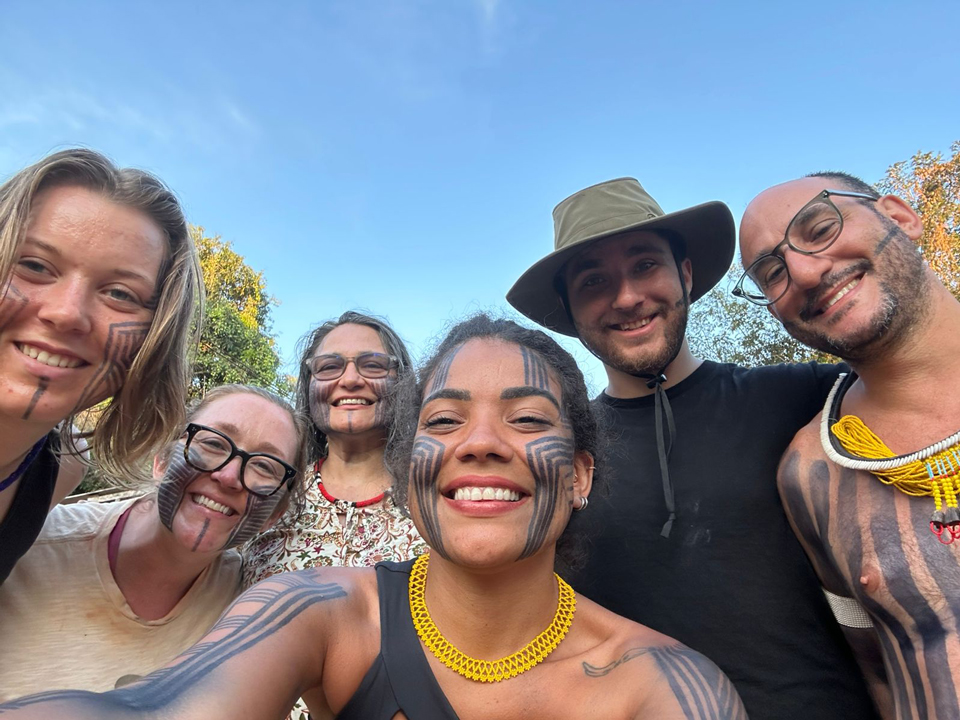
It grounded me in the history of the project and allowed me to learn about Kayapo culture through everyday life: storytelling around the fire, daily river baths, fishing, and long walks together in the forest to Brazil nut groves and Mahogany stands.
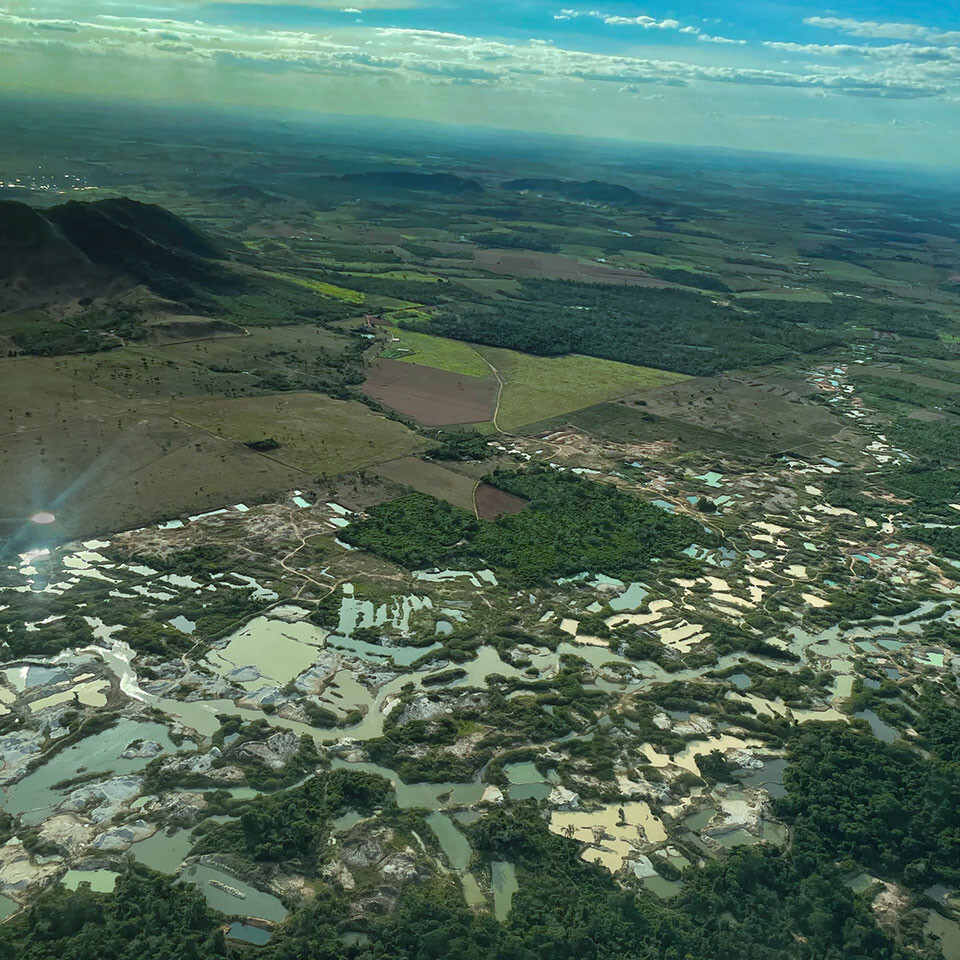
At the same time, it was impossible to ignore the pressures facing Indigenous communities in Brazil. On the eight-hour bus ride from Marabá to Tucumã, hundreds of miles of formerly pristine rainforest, now pasture, flashed by the windows. Later, flying by small prop plane into the territory, we could see the vast mining operations pressing up against the border of Kayapo lands.
In later conversations with Kayapo leaders, I learned about aggressive offers from miners and loggers to pillage their territory in exchange for pennies, as well as proposals for questionable carbon credit deals.
Rethinking Conservation
When I finally arrived in Tucumã to begin my fellowship, I expected to jump straight into my planned project. Instead, I was encouraged to slow down, accompany others in their work, and learn first: learn how to work with the Kayapo, how meetings are conducted, and how relationships and trust shape every aspect of collaboration.
This slower start, I’ve realized, has been essential for understanding the deeper context of the work and for beginning to contribute in a respectful and effective way.
This experience has reshaped my definition of what effective conservation work actually means and pushed me to question a lot of American ideals of community and work.
This experience has reshaped my definition of what effective conservation work actually means and pushed me to question a lot of American ideals of community and work.
The pillars of conservation in the US are our national park system, a system that only permits use for recreation and is almost entirely situated on indigenous land. It’s a system that has a history of excluding indigenous people. In contrast, The Kayapo Project has achieved an incredible level of success by supporting indigenous people in living their traditional way.
I think that going forward, it would be impossible for me to work on any conservation project without thinking about who the original owners of the land are and whether or not they are being included in land management and decision making. This experience has certainly challenged my ideas of what effective conservation means. My thoughts now have changed more to mean that conserved land can still be in use.
Looking Ahead
Looking forward to the rest of the year, I am preparing for the forest school sessions. The forest school teaches a combination of traditional knowledge rooted in the local environment as well as modern technologies useful in the fight for territorial protection such as drones, camera traps and cameras.
We are working to create lesson plans that include the youth participants in dialogues about current AFP projects with plans to film these lessons for future use during the school sessions this year.
I’m planning to spend about a month in the field for the forest school programming as well as other trips in and out supporting several ecotourism trips. Additionally, I’ll be starting to teach English lessons to the indigenous staff at AFP interested in learning which will help them better communicate with foreign tourists and foreign donors.