
New York Climate Week 2026
As world leaders gathered in New York City for the UN General Assembly, Climate Week unfolded as a vital global stage for confronting our planet’s most urgent environmental crises. From September 20–24, 2026, The Kayapo Project team was on the ground to ensure Indigenous guardians had a voice in shaping the future of Amazon conservation. Represented by Patkore Kayapo and Thiago Schinaider from the Associação Floresta Protegida, alongside Matthew Aruch from Biome Conservation, our delegation set out with a clear mission: deepen existing relationships, expand our partner network, and elevate Indigenous-led climate action.
Deepening Relationships
Our week kicked off at the Doris Duke Foundation’s Treehouse space with an insightful panel hosted by Mongabay, titled Reinforcing the Invisible Infrastructure for Forest Conservation. The event brought together key voices across global conservation, including leaders from:
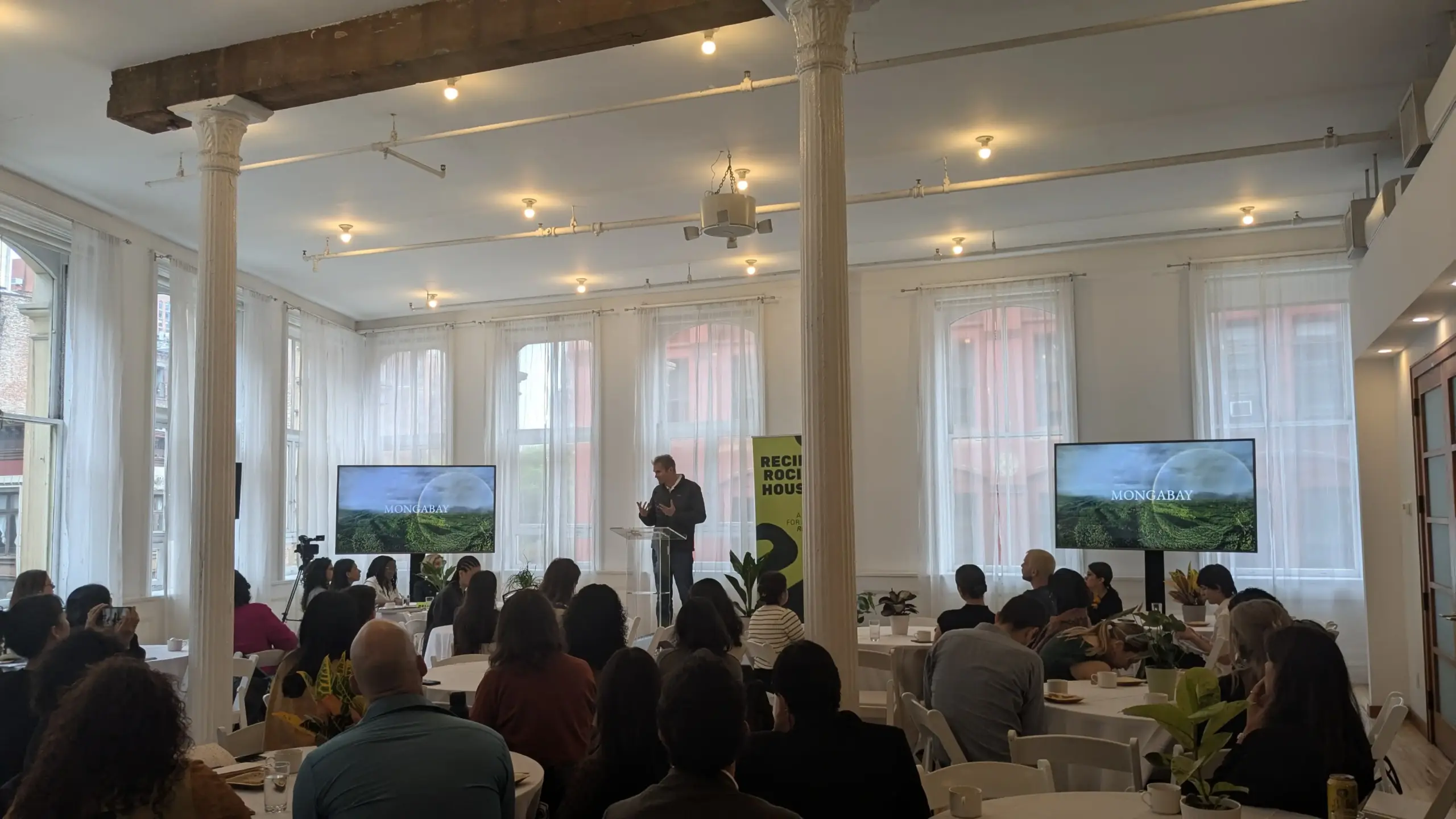
Mongabay’s panel at the Reciprocity House
During the session, we reconnected with allies from Amazon Watch and the Rainforest Foundation US to exchange strategic ideas on forest preservation across Brazil.
We met the Goals House team at COP 30 in Belem and were invited to attend a series of events at the Goals House at the Tavern on the Green in Central Park. The Qatar Foundation sponsored our first Goals house event on traditional knowledge in today’s world called: Tradition Meets Tomorrow. Later, we attended a networking event at the Goals House featuring Indigenous DJ, film producer, and activist Eric Terena.
Building on last year’s panel with the Prince Albert of Monaco Foundation, The Kayapo Project was invited to join events at the Reciprocity House, a celebration of partnership and collectivity, hosted by Tenure Facility, Woodwell Climate Research Center, Pawanka Fund, and Health In Harmony. We attended an event entitled What’s the Reciprocity Story You Want to Tell? Including a lineup of guest speakers from organizations such as Atmos, If Not Us Then Who, Mongabay, Health In Harmony, Woodwell Climate Research Center, Chilli Club, and Tenure Facility.
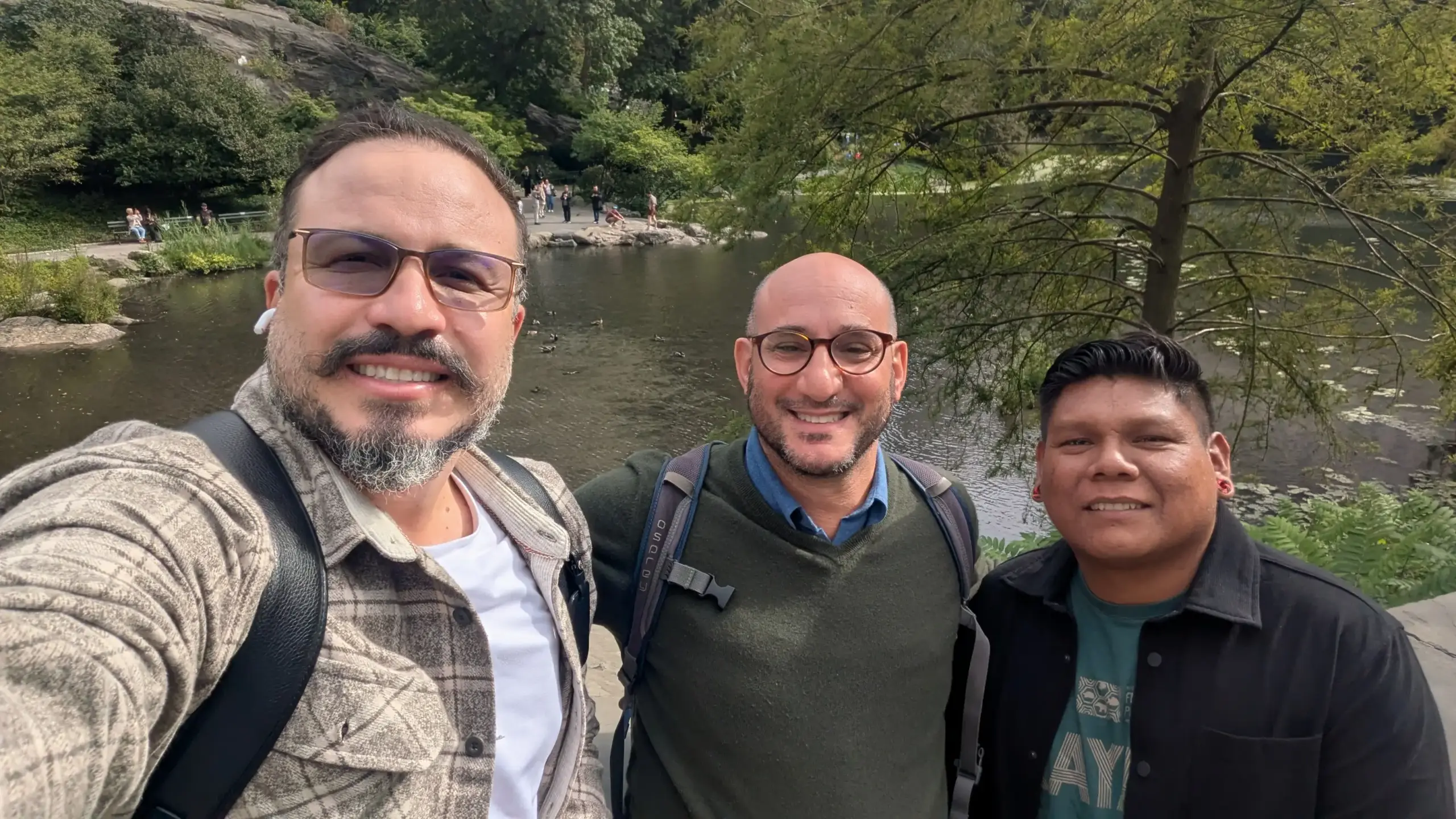
Thiago, Matthew and Patkore in Central Park.
Expanding Our Network
NY Climate Week is an incredible opportunity to meet and engage with new colleagues and partners. Patkore, Thiago, and were invited to discuss Indigenous finance solutions at the Global South House, sponsored by the Brazil Foundation. The event, featuring Alianza Socioambiental Fondos del Sur and Comua : Who gets to fund the future? Brought peers to discuss how funding can become more just and effective for the communities in the Global South already leading solutions for climate and nature?
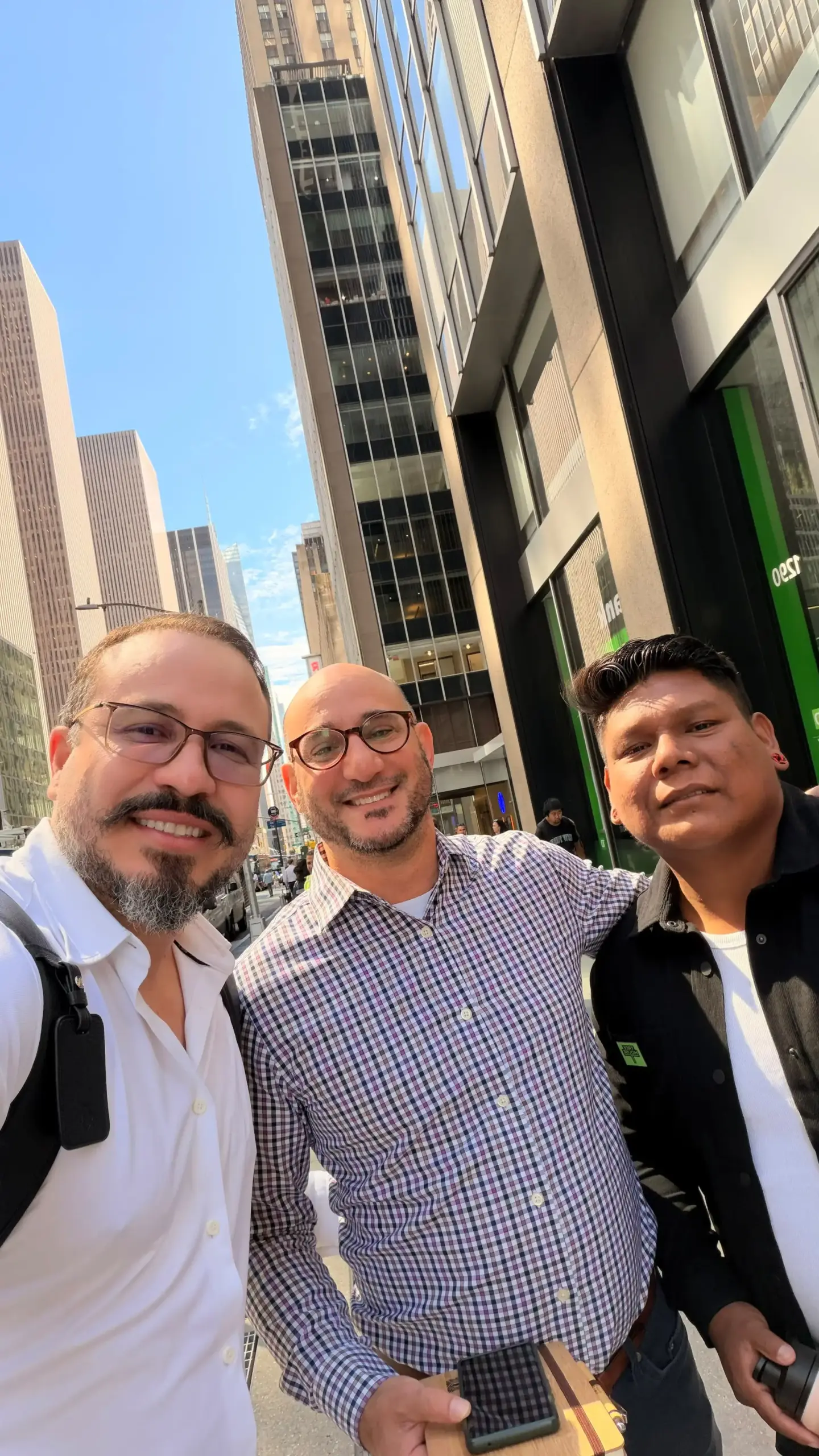
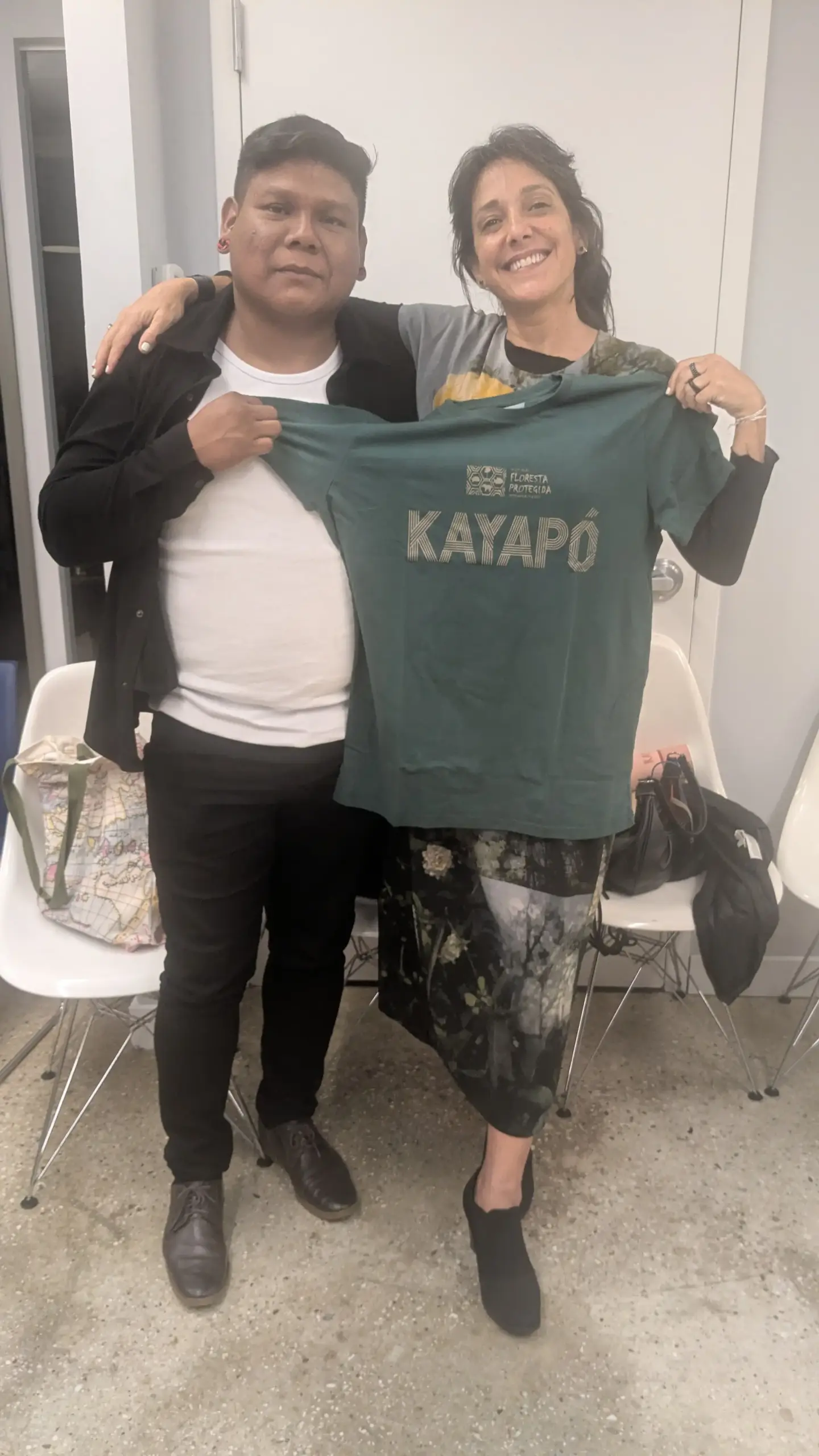
Daniela, Patkore, Thiago and Matt at the Global South House
Our delegation was also honored to attend the Thomas E. Lovejoy Award Ceremony and Reception, co-hosted by a coalition of leading environmental organizations:
Thomas E. Lovejoy Award · Co-hosts
GEF
WCS
WWF
This year’s prestigious prize was awarded to renowned Brazilian scientist Carlos Nobre for his lifelong dedication to Amazon science. The evening provided a wonderful setting to reconnect with longtime friends and forge new partnerships.

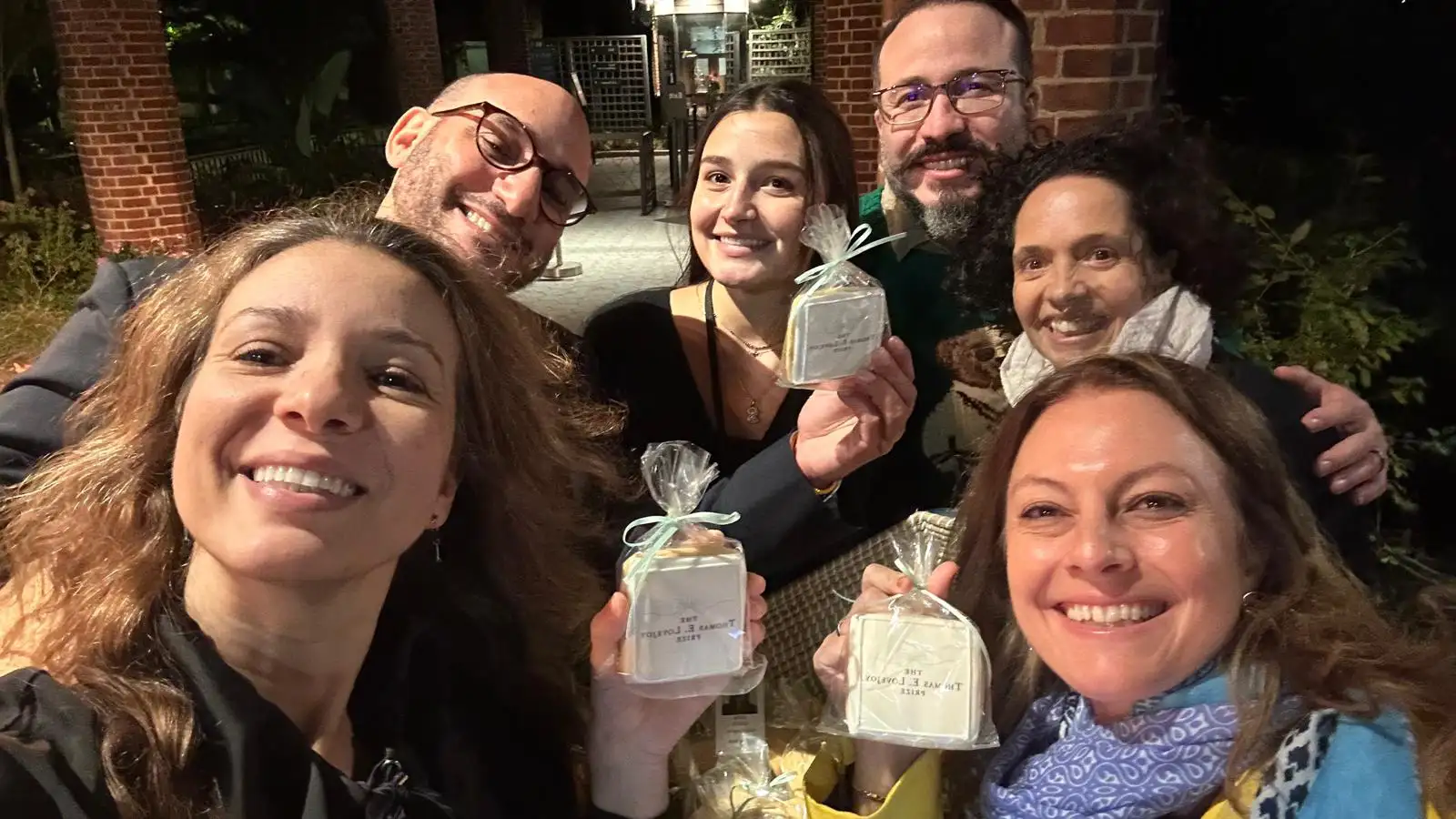
The Thomas E. Lovejoy Award Ceremony and Reception.
Indigenous Solutions for Climate Action
While networking and socializing was a big part of the week’s activities, we also participated in several important events and conversations about Indigenous and community-led solutions for access to nature-based finance and territorial monitoring.
Carbon Financing from the Bottom Up
Everland and The Wildlife Conservation Society convened an invite-only dialogue of Indigenous, conservation, finance and market leaders to explore how to build carbon projects from the ground up. The focus was on how to bridge the systemic gap in forest finance that brings projects from their concept phase to market and how catalytic and institutional capital can work together to bring high-impact, community-led forest conservation to scale. The dialogue emphasized the need for resource inputs at the initial stages to ensure compliance and mitigate risk for project viability and sustainability.

Patkore and Matt with Concita Sompre, cofounder and other representatives from the Federation of Indigenous Peoples of Para (FEPIPA)
Bio Cultural Monitoring through Indigenous-led Design
At another invite-only dialogue Nia Tero and Conservation Metrics convened practitioners and donors at the Open Society Foundations offices to share and discuss Guardian Connector, an open-source secure data integration and monitoring platform.
Guardian connector is a possible tool that the Kayapo Project can integrate into the Forest School or the Guard Post programs.
The tool positions Indigenous Peoples to collect, manage and own data about their territories on their terms. It integrates across multiple platforms and streamlines the path of data collection to action, helping users create powerful advocacy tools that support guardianship of their lands and waters.

Margarita Mora (Nia Tero), Nantu (Kara Solar Foundation), Patkore, Matt, and Thiago at the Climate Guardians meetings
The Kayapo Project is an Important Voice for Indigenous-led Conservation
As one of the world’s most successful conservation initiatives, The Kayapo Project demonstrates that Indigenous autonomy and effective forest stewardship go hand in hand. Protecting over 9 million hectares of pristine Amazon rainforest while safeguarding Kayapo cultural heritage requires persistent advocacy, global solidarity, and sustained investment. Moving forward from NY Climate Week, we remain committed driving Indigenous-led climate solutions and amplifying community voices on the global stage.

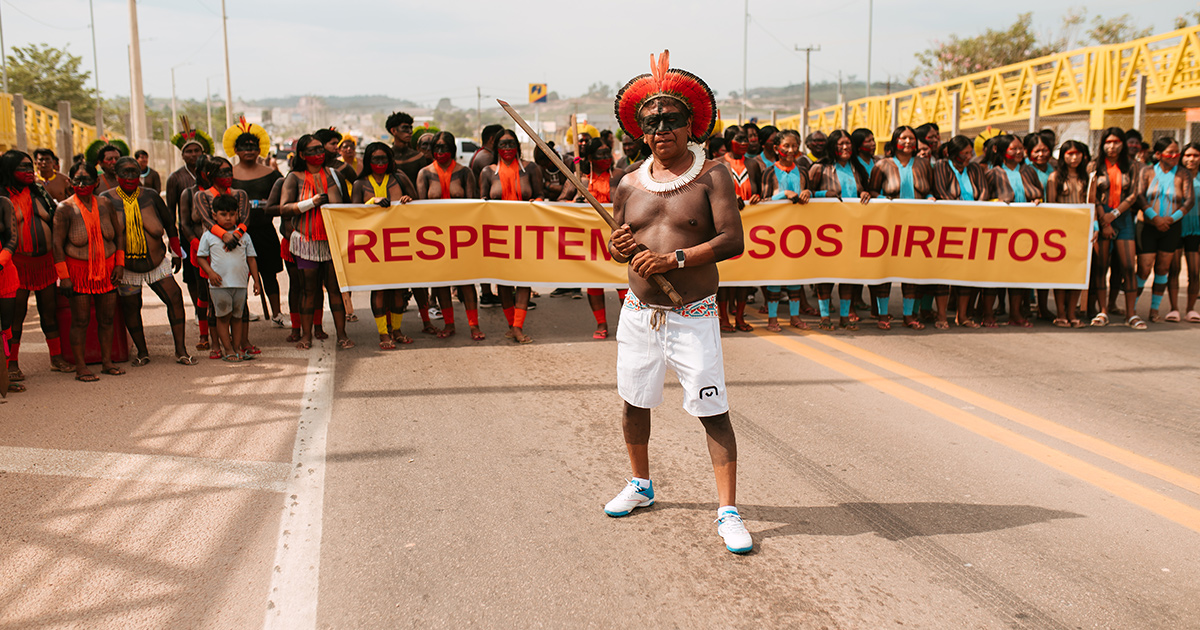
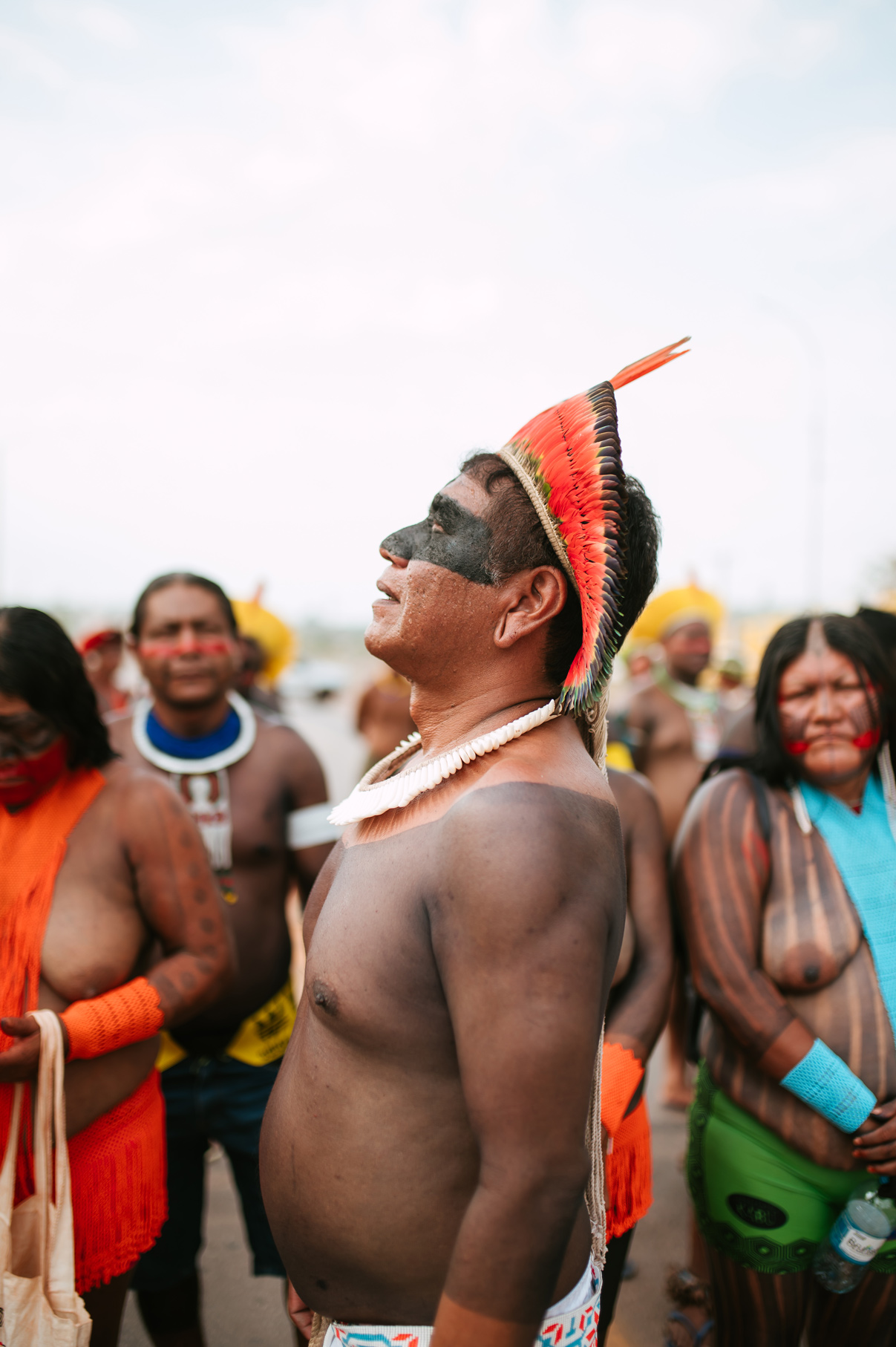
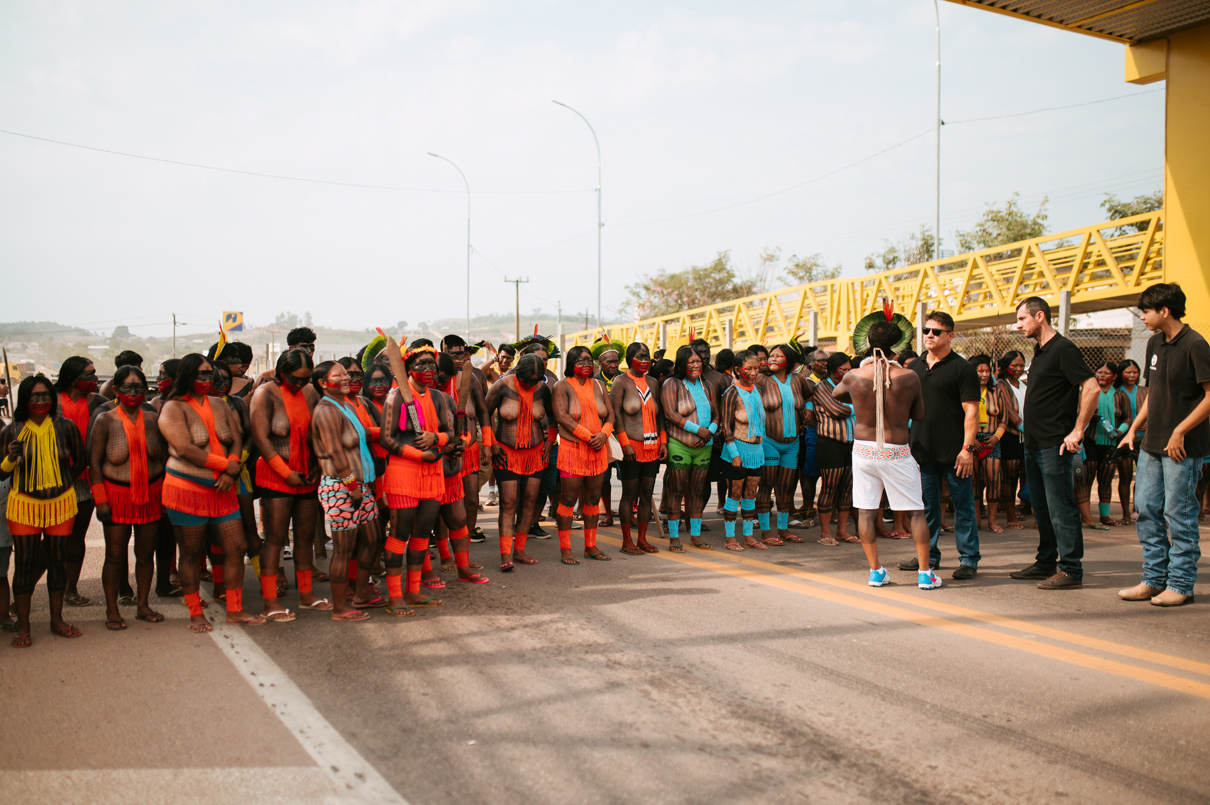
Kayapo and Panará block the BR-163
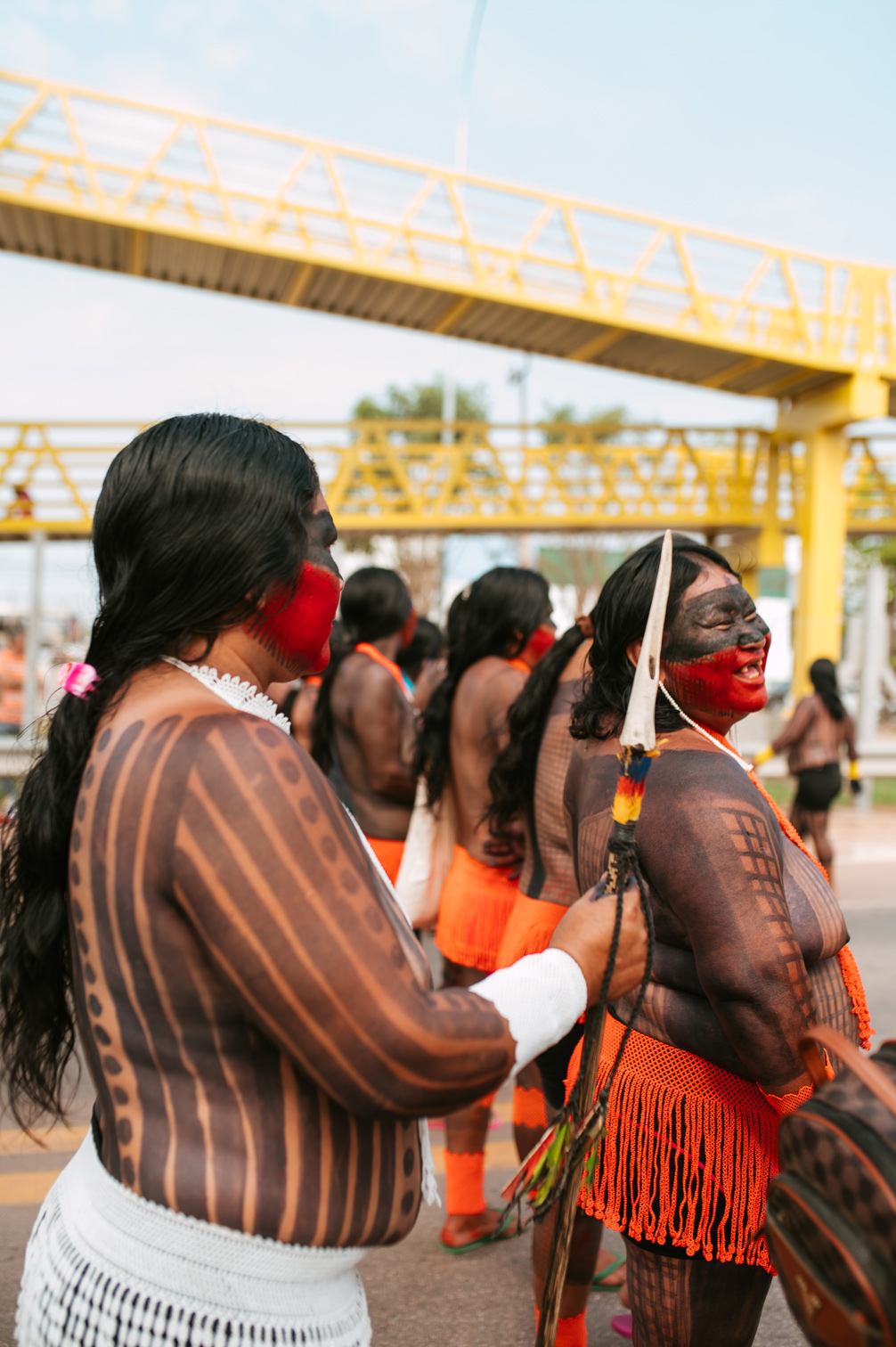
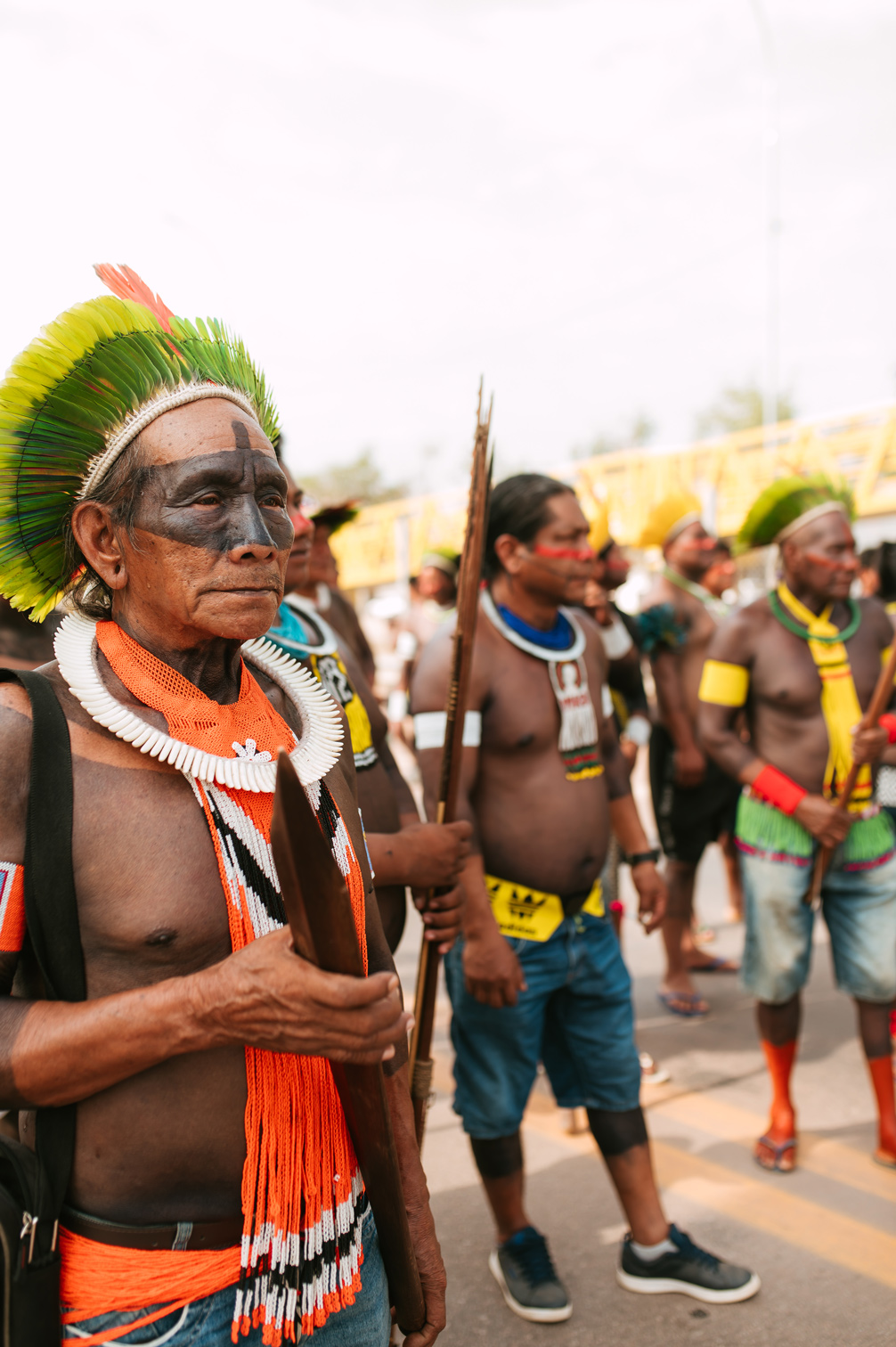
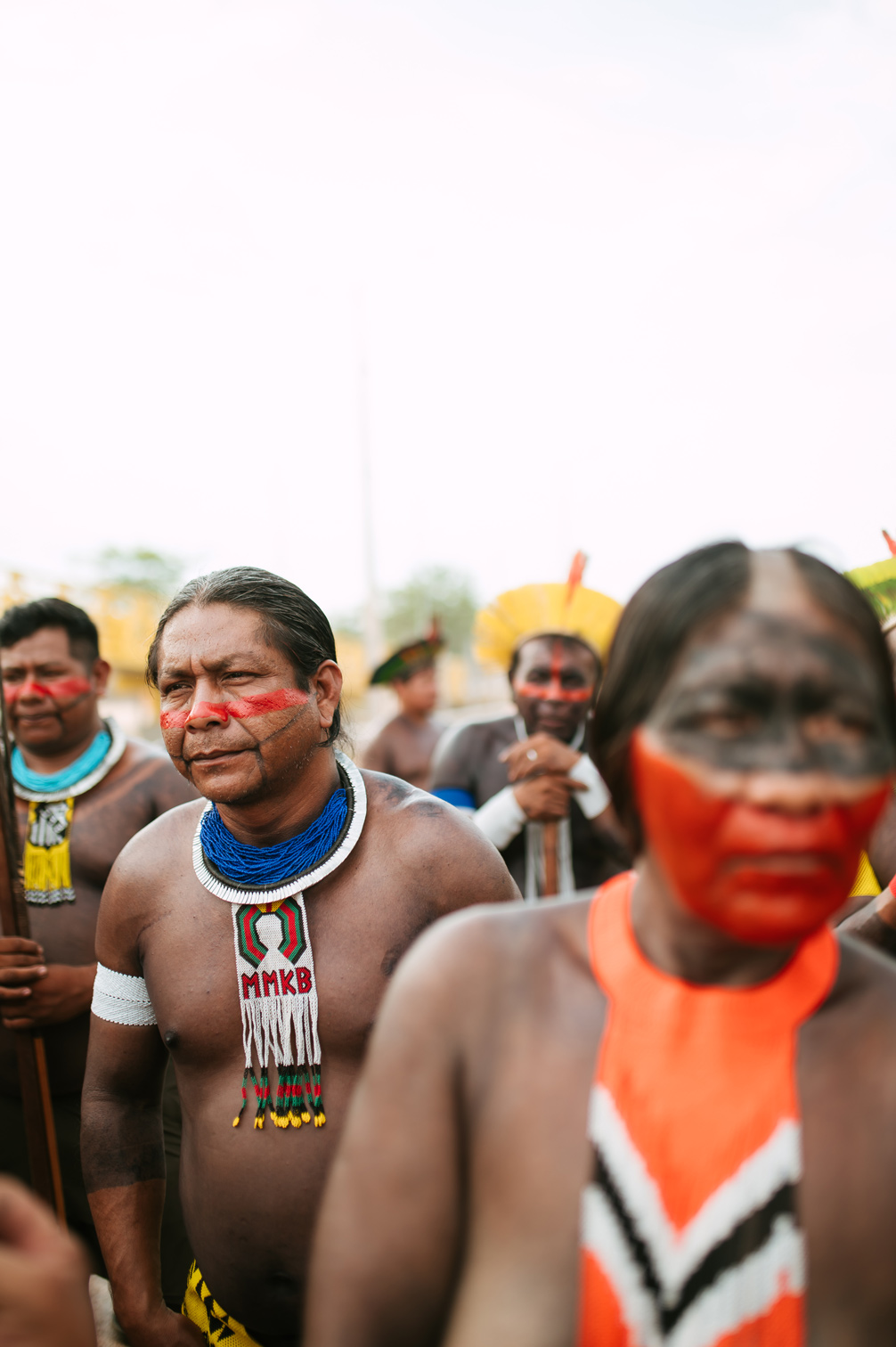
On Friday, September 25, Kayapo and Panará leaders gathered along the BR-163 highway in Novo Progresso, Pará. They had one clear demand for Via Brasil, the company that runs the highway: keep your commitments to the communities whose land this road cuts through.
The peaceful protest was organized by three Indigenous organizations: Instituto Kabu, Associação Iakiô and Associação Indígena Mantinó. With emergency protection measures set to expire on September 30, they say time is running out.
A highway that profits from Indigenous land
The BR-163 runs from Mato Grosso in the south to the Amazon River near Santarém in the north. It’s the main route for moving soy, corn and other grain out to overseas markets, and hundreds, sometimes thousands, of trucks pass through Novo Progresso on it every day.
Because the highway affects the Panará, Baú and Menkragnoti Indigenous Territories, the concessionaire is required to fund measures that reduce its impacts. These fall under the Indigenous Component of the Basic Environmental Plan (PBA-CI). Until the final plan is approved, a series of emergency measures funds the teams, infrastructure and territorial protection work the communities depend on.
The third cycle of those measures ends on September 30. Without a fourth cycle in place, all of that work could stop.
photos: Débora Siqueira
An agreement left hanging
“We are protesting the delay in approving the Emergency Plan, which is an interim measure ahead of the BR-163 PBA. At the time, we reached an agreement with Via Brasil to guarantee these emergency measures while the studies of the highway’s impacts were completed and approved by Funai and the other responsible agencies. So far, the concessionaire has not said anything about returning the studies or about continuing this agreement. We want to make our message clear: the Federal Prosecutor’s Office in Altamira has already been informed of our mobilization, so that our demands can be taken to the courts.”
— Doto Takak-Ire, president of Instituto Kabu
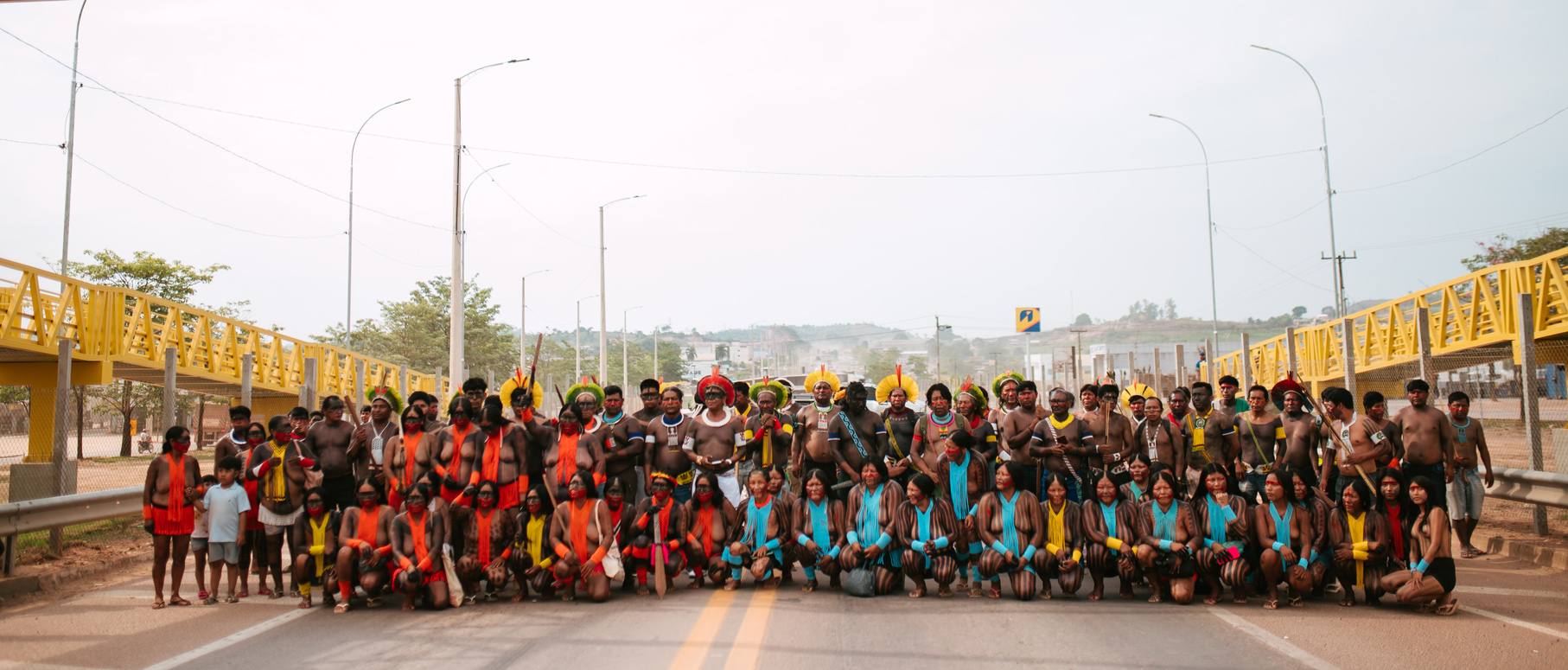
photo: Débora Siqueira
In August 2026, after a thorough process of consulting their communities, the three organizations sent their proposals for the next cycle to Via Brasil and the Federal Court. The company’s reply came on September 4, and the associations say it fell short. Via Brasil asked for more time for technical analysis and questioned the amounts, but it did not dispute any of the proposed measures individually.
A final plan that keeps slipping
The emergency measures were only ever meant to be temporary. They were supposed to be replaced by the final PBA-CI, but that plan has faced repeated delays.
In a filing to the Federal Court on August 31, 2026, the National Foundation of Indigenous Peoples (Funai) noted that the agreed timeline hadn’t been met. The plan was due in January but was only filed on May 29, after a series of extension requests. Funai also found no evidence that the Indigenous organizations had been consulted about the changes to the timeline. Key pieces are still missing, including architectural and engineering designs and a work plan for maintaining and repairing the access roads to the villages.
For the organizations, repeated emergency cycles that don’t cover the communities’ real needs can’t replace the plan they were promised.
Growing threats on the ground
The stakes go well beyond paperwork. According to data from the Rede Xingu+ network cited by the organizations, illegal gold mining and other illicit activities are pushing into the borders of Indigenous lands. There are signs that the BR-163 itself and access roads near the villages are being used as logistics routes for these activities.
That’s why leaders see the PBA-CI’s surveillance and territorial protection measures as essential. Without them, the communities lose key tools for defending their land.
The courts have started to respond. On September 2, the judge of the Federal Civil and Criminal Court of Altamira ordered Funai, the Federal Prosecutor’s Office and Via Brasil to respond on the immediate payment of minimum amounts. That payment would keep the emergency measures running while the full proposals are reviewed.
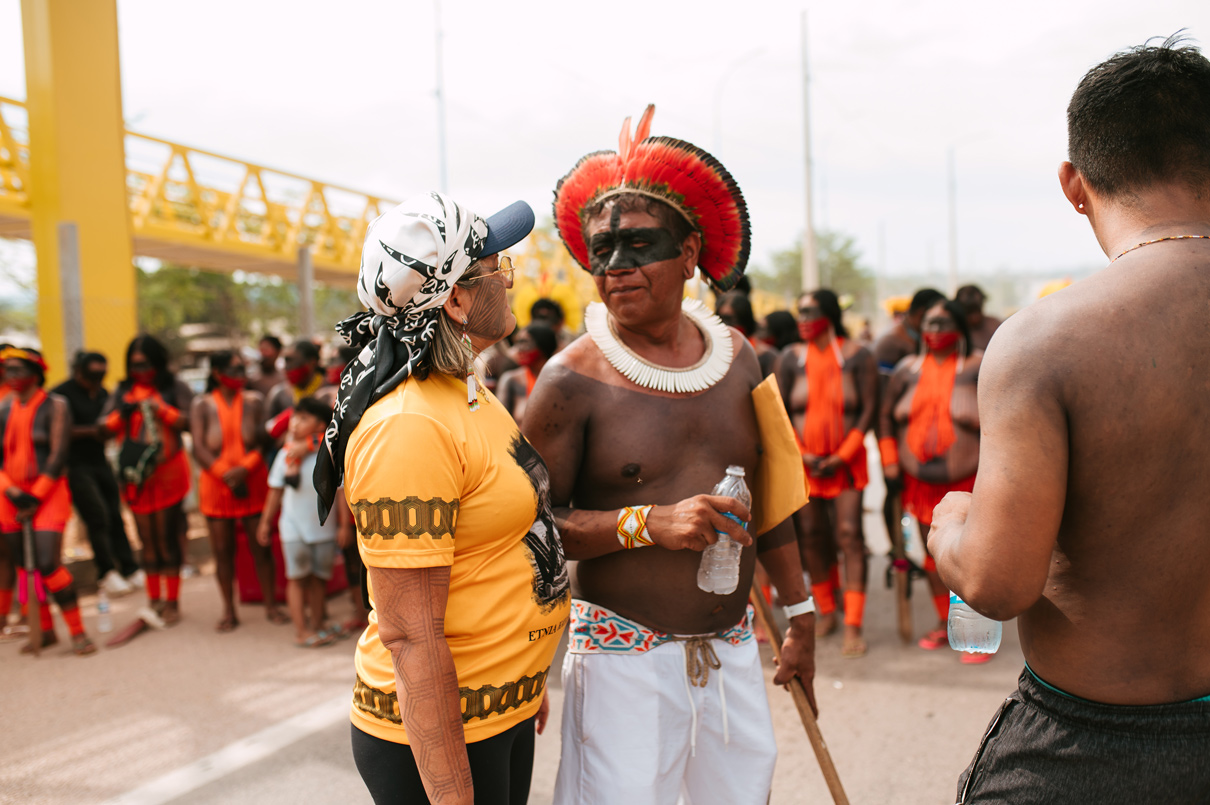
photo: Débora Siqueira
"We're doing our part"
“We’re already mobilized to send our message to Via Brasil and Funai about the delay in reviewing and approving the BR-163 PBA. Together with the Indigenous organizations, we brought together our warriors, chiefs and leaders to hold this protest on the highway. We’re doing our part, and we don’t want to wait any longer. We want an immediate response from the concessionaire.”
— Be-i Kayapó, president of Associação Indígena Mantinó
photos: Débora Siqueira
What the Kayapo and Panará are demanding
-
01
Immediate formalization of the fourth cycle of emergency measures
-
02
An individual technical review of each of their proposals
-
03
Continued emergency funding
-
04
Completion of Funai's review of the final PBA-CI, with free, prior and informed consultation of the communities on any changes to the timeline
The current cycle ends on September 30. The communities are asking for answers before then.
This highway cuts through Kayapo and Panará territory and profits from it every day. The least the company can do is honor what it owes.
Solidarity with the Kayapo and Panará.
photos: Débora Siqueira
Fighting Fire With Knowledge
Fire has always been part of life in the Kayapo Indigenous Territory. For generations, Kayapo families have used fire to clear and renew their traditional crop fields, following knowledge about when and how to burn that has been passed down over centuries. But the conditions that knowledge was built for are changing.
The Kayapo Territory is home to one of the largest stretches of intact forest in the Amazon, and most of it stays moist enough to resist fire. But it sits at a transition zone. In the south, the forest gradually gives way to savanna, where vegetation is drier and fire spreads more easily. The whole region is also under growing pressure from climate change: this part of the Amazon is steadily getting drier, with more frequent droughts and longer, harsher dry seasons. As the forest loses moisture, a fire that gets out of control can turn into a wildfire that destroys large areas of forest, crops and hunting grounds within days.
This year the risk is even higher. The El Niño climate pattern can bring hotter, drier conditions to the region, which makes every use of fire more dangerous.
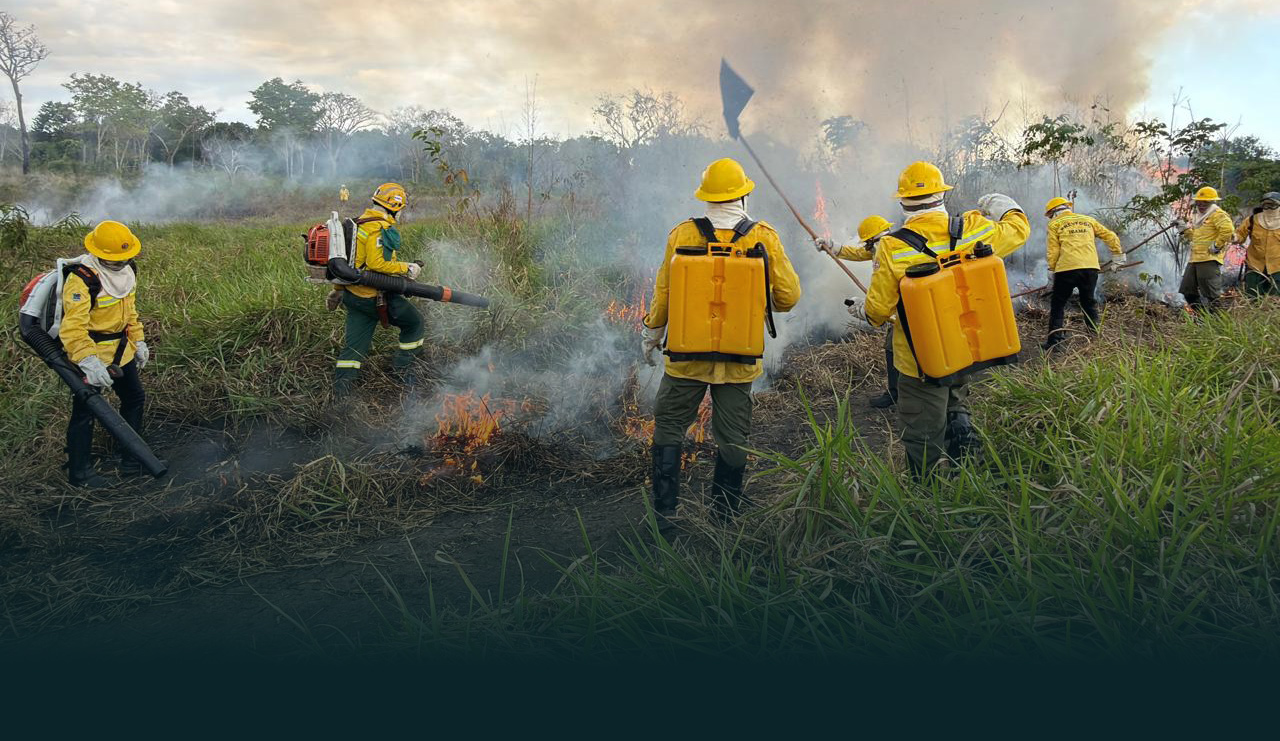
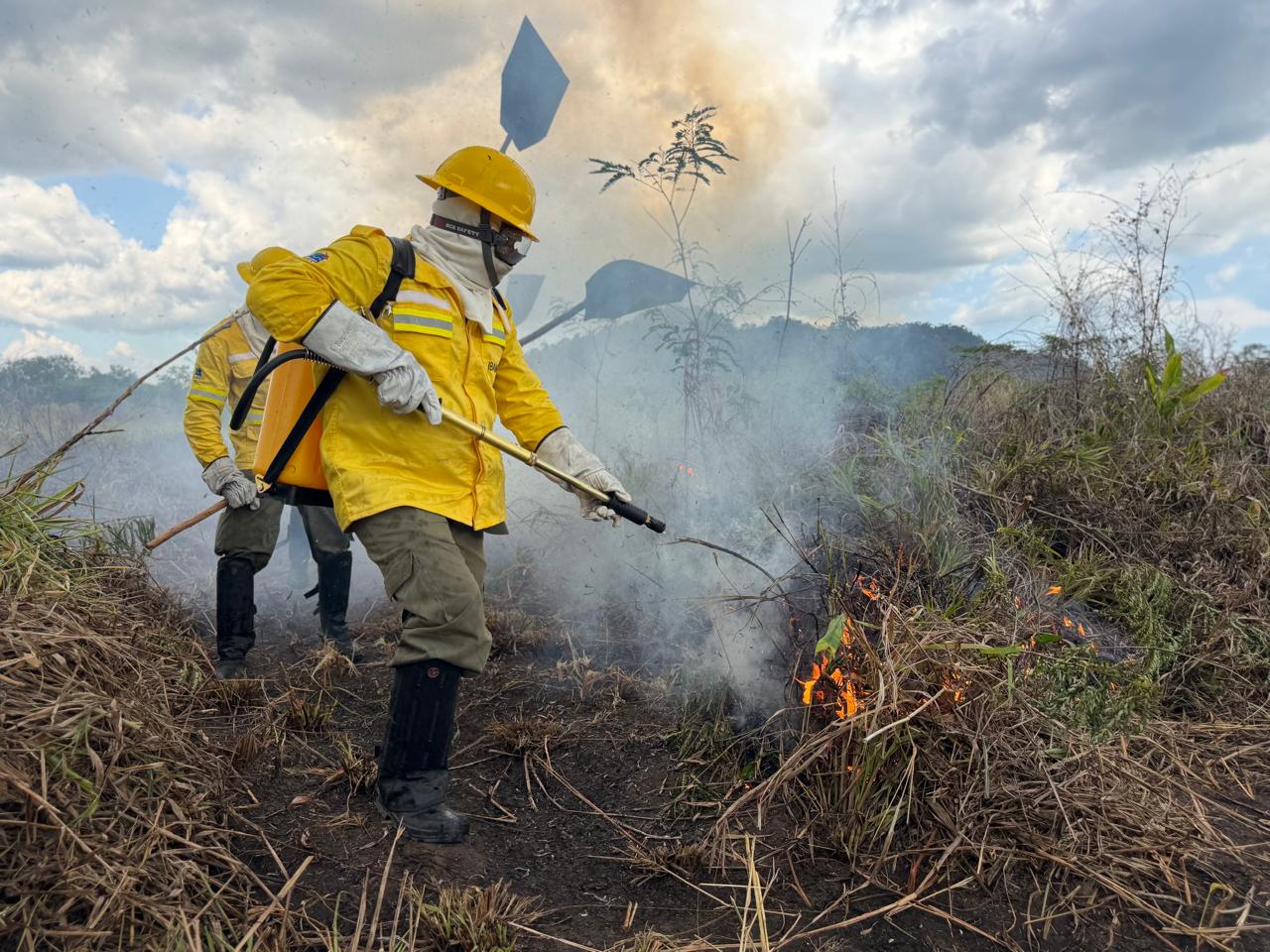
The instructor and firefighter, Traiú Assalu Mehinaco, ignites a plot of vegetation dominated by Brachiaria grass using a drip torch as part of a practical exercise during the course.
From September 9 to 11, 2026, the Protected Forest Association (Associação Floresta Protegida, AFP), Brazil’s National Foundation for Indigenous Peoples (Funai), and PrevFogo, the national fire prevention and firefighting center of Ibama (the Brazilian Institute of Environment and Renewable Natural Resources), held a fire management workshop in Kruwanhõngô village, in the Kayapo Indigenous Territory.
The main goal was to help communities prevent forest fires by using fire in their traditional crop fields in a proper, controlled way, drawing on both traditional knowledge and new techniques and equipment.
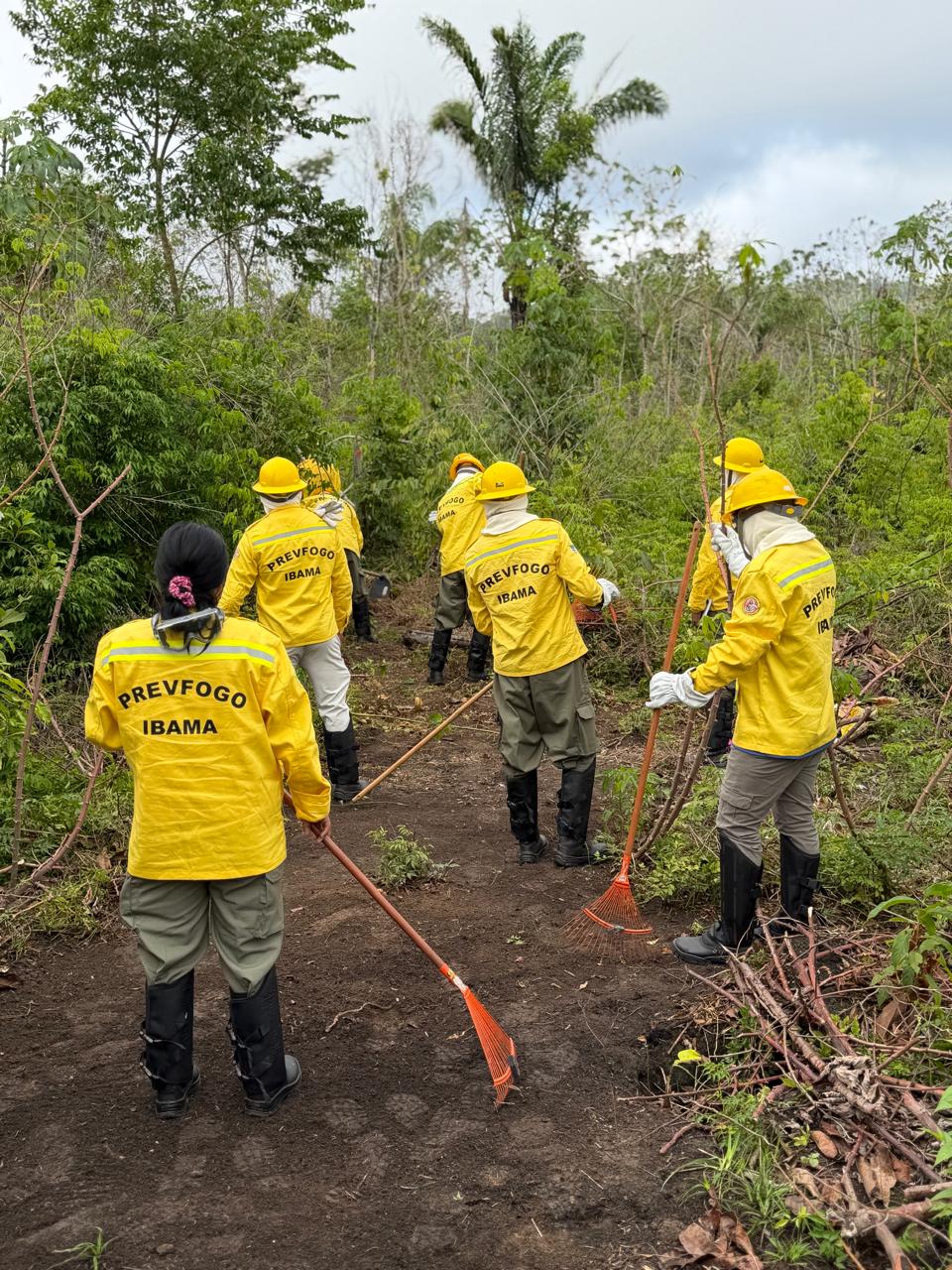
Kayapo course participants creating a “firebreak” as part of a practical exercise in forest fire prevention and suppression.
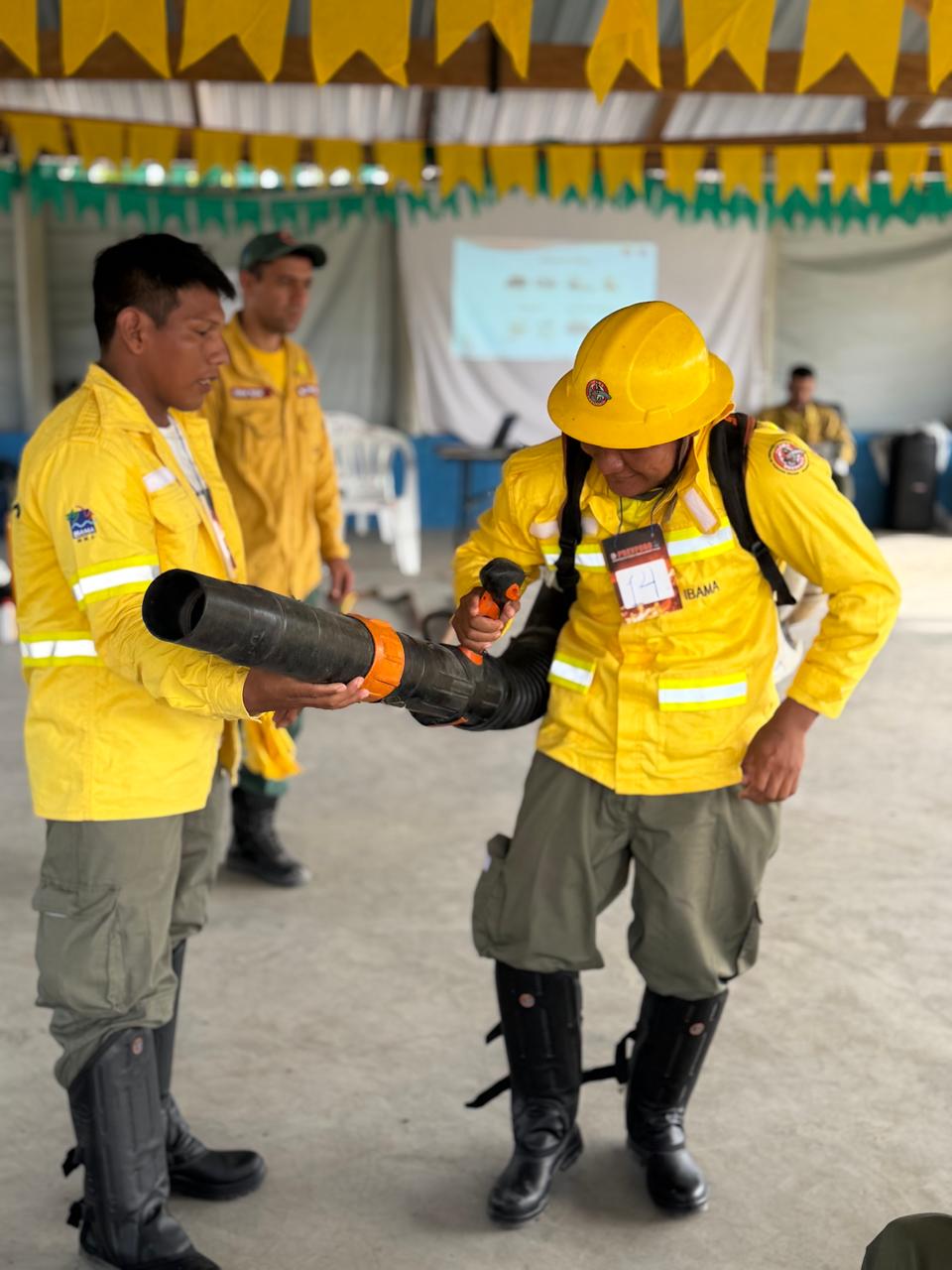
Training on the use of blowers for the prevention and suppression of forest fires during the fire management course.
The training reflected that combined approach. Experienced firefighters and instructors from PrevFogo and from Funai’s Integrated Fire Management Coordination provided technical training. They were joined by Traiú Assalu Mehinaco, an Indigenous firefighter and environmental educator from the Xingu Indigenous Territory, and by two Kayapo elders: Takaknhotire Kayapo of Kamoktidjam village and Takakmakoro Kayapo of Kokotkrere village.
Together, participants talked about the climate crisis and how it is affecting the weather, rainfall patterns and the vulnerability of the Kayapo Territory’s forests to wildfires. They also discussed why new strategies are needed to face this challenge, building on traditional knowledge while adopting new tools and methods.
Participants rated the workshop very positively and left motivated to share what they learned with their communities. Over the coming months, the 25 Kayapo participants will carry this work back to their villages and lead fire prevention efforts on the ground.
Before leaving, they made a set of collective agreements. Each participant committed to:
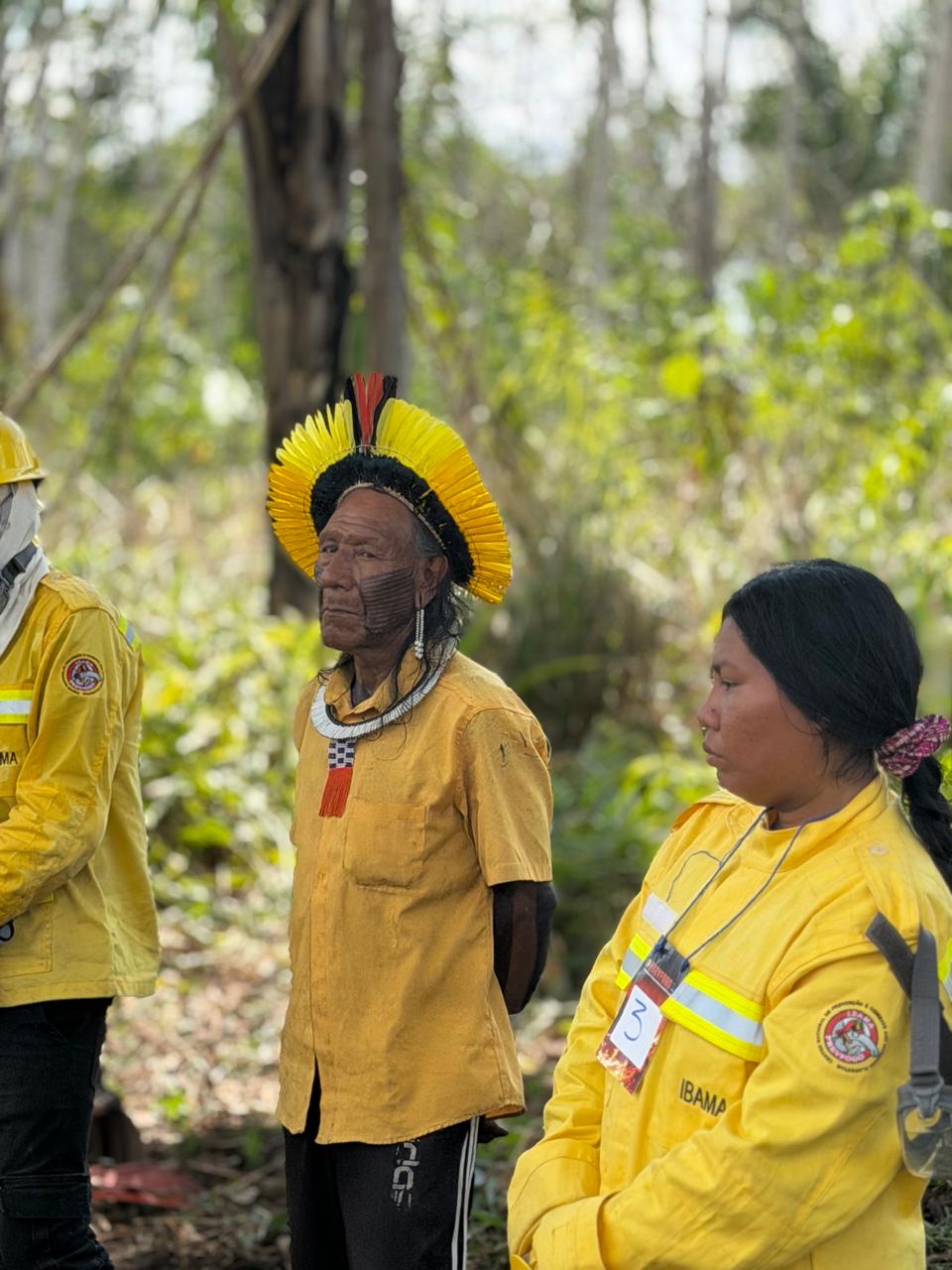
Holding meetings in their own community to raise awareness that every family has a role in preventing forest fires, and that more care is needed in all everyday uses of fire — cooking in the village, fire used on hunting and fishing trips, children playing with fire, and throwing away cigarette butts.
Reviewing how and where their community burns garbage, and taking steps to make this practice safer.
Supporting PrevFogo and Funai teams as they coordinate with communities across the Kayapo Territory, so that any crop fields still waiting to be burned are burned only with technical supervision from PrevFogo. This makes sure all preventive measures are in place and helps avoid forest fires, especially given the possible impacts of El Niño.
The workshop and the participants’ continuing work are the result of a partnership between AFP, Funai and PrevFogo/Ibama. Biome Conservation provides technical and financial support. Additional funding comes from Re:wild, the Bezos Earth Fund, and the Tradition and Future in the Amazon project (Tradição e Futuro na Amazônia), which is managed by Funbio with funding from Petrobras.
A week at the heart of the Bákra Forest School
I think it must have been difficult to name Bákra: The Kayapó Forest School, because it is so many things at once. It is a school, but it is also a thriving ecosystem that lifts up elders, creates equitable jobs, and builds community through shared joy.
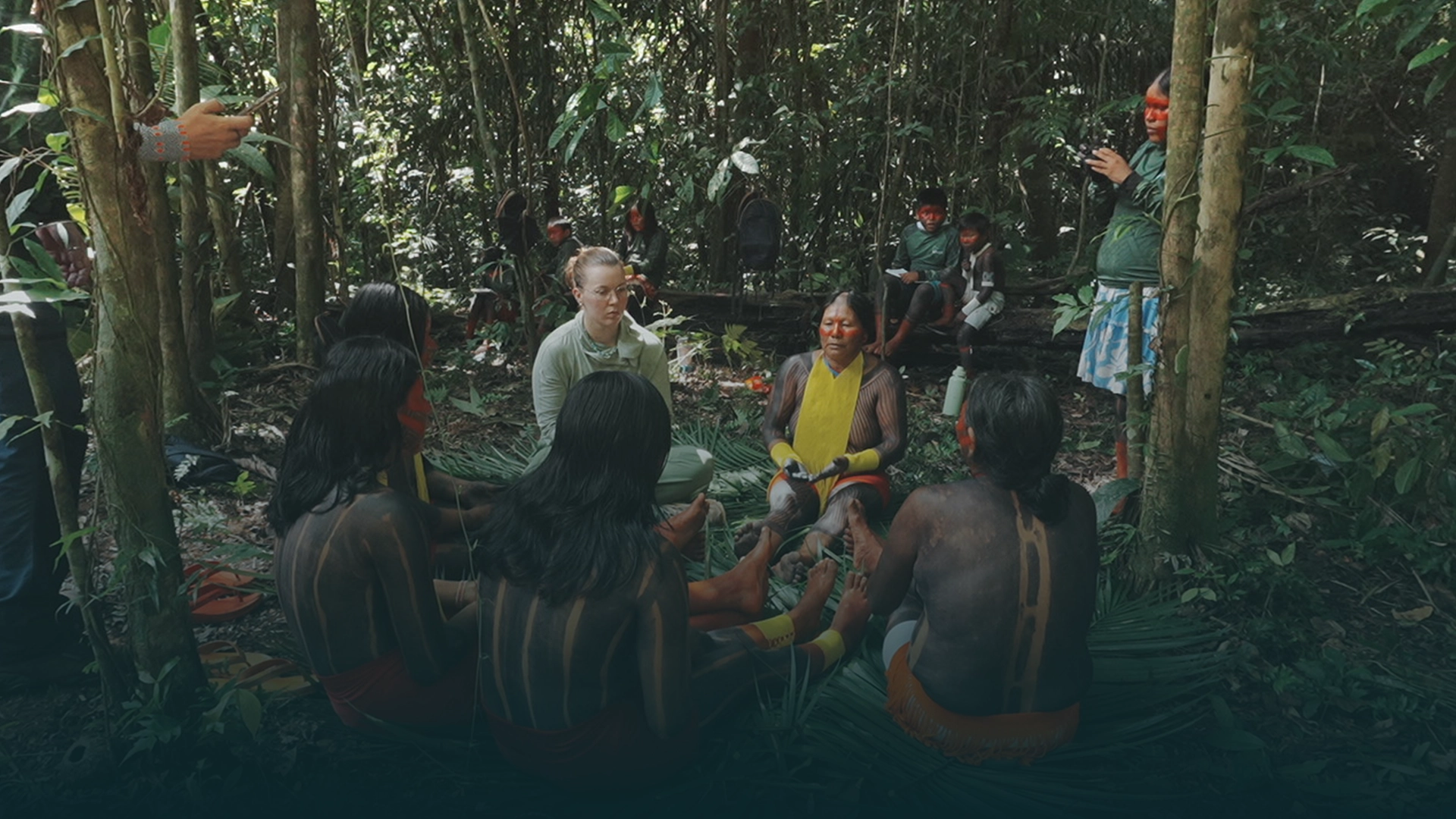
Each week, a new group of 20–30 Kayapó arrived at Kamotidjam — and then at the Bàkra campus, Kajgodjam, once it was ready to host them — and they arrived in force. The elders always arrived enthusiastic and ready to hit the ground running, decked out in their traditional attire: feather headdresses, beaded bracelets, armbands and necklaces, painted in vibrant jenipapo, the Amazonian fruit traditionally used by Indigenous peoples to stain their skin.
With each group, we did a round of introductions to start. I thought it was endearing how each of the elders would stand up and make a large speech about how they were excited to be there and the importance of the program — and then each of the students would stand up and shyly whisper their name and the name of their village.
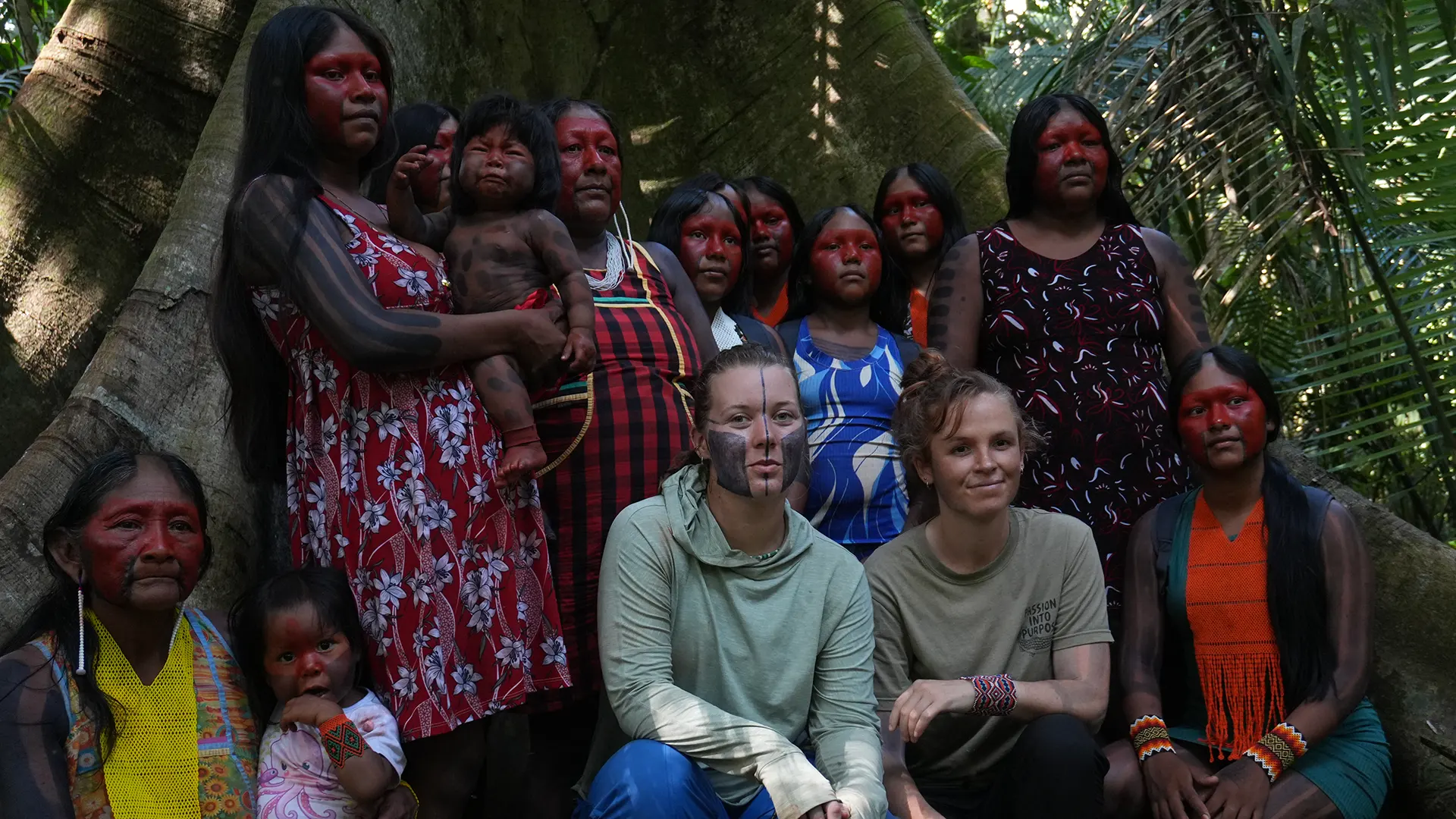
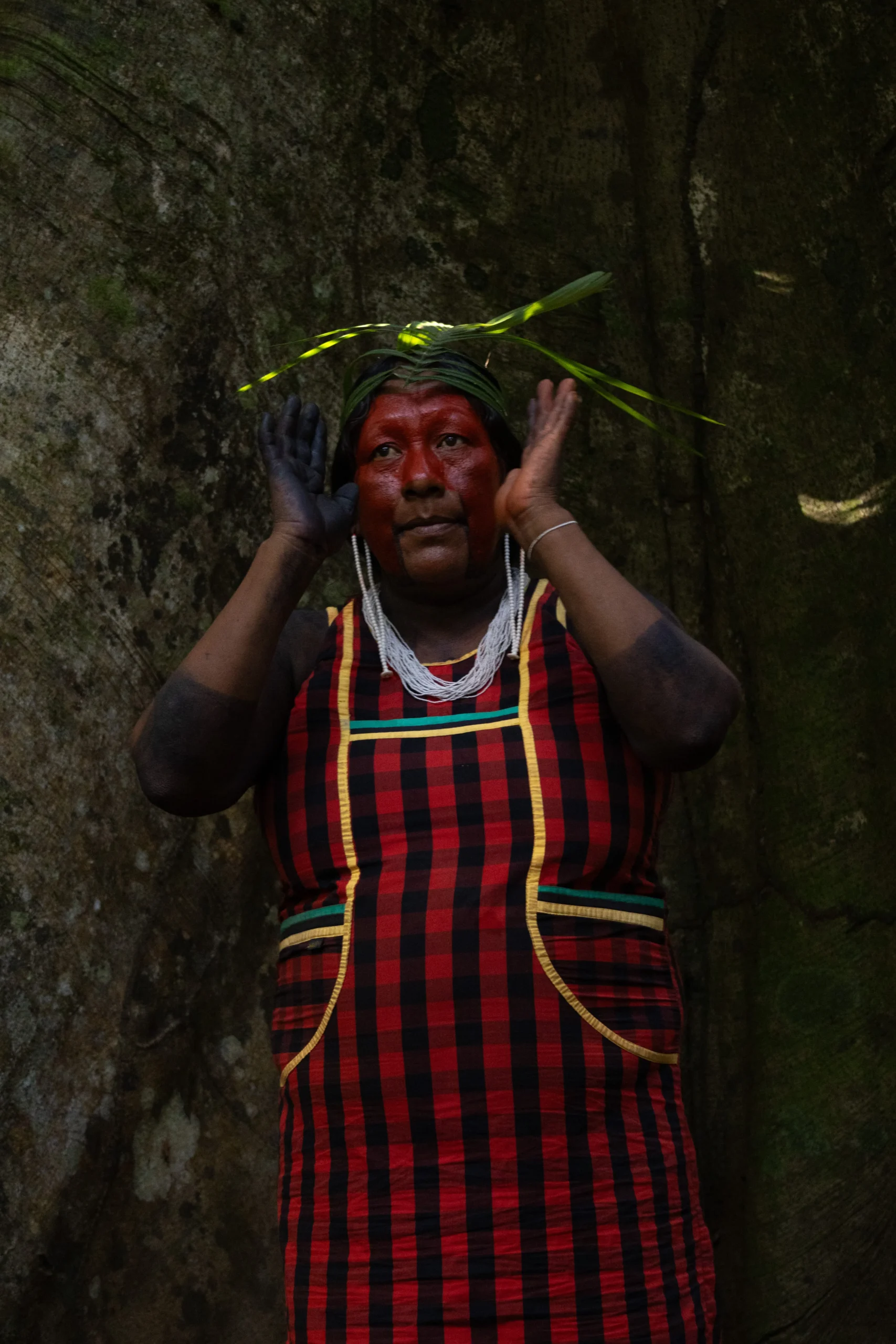
Faces marked in Jenipapo and urucum,
Bákra worked on an intense schedule of activities, driven by what the elders wanted to teach and where they wanted to take their students. A typical week looked like this.
A week at the forest school
Tents, the circle, and the first story
The group arrived in the afternoon from their villages. After everybody set up their tents and settled in, we formed a conversation circle so that everyone could introduce themselves, and our Indigenous coordinators presented the schedule, rules, and expectations of the program. We passed out the t-shirts and student kits while the cooks started preparing dinner. An elder would often tell a traditional story on this first night.
Jenipapo, then into the forest
The people who didn’t arrive already fully painted would paint each other in jenipapo in preparation for entering the forest. They would often paint me as well. I loved the process, and it was always exciting to see what design they would come up with — I rarely wore the same one for very long, as the stain faded pretty quickly, and one of our coordinators, Bekwykukati, would always call me over to redo my paint when it started to fade from my face. In Kayapó culture, many people prefer to be painted before dancing, so it was essential to paint everybody at the start of the program, because there was lots of dancing to come.
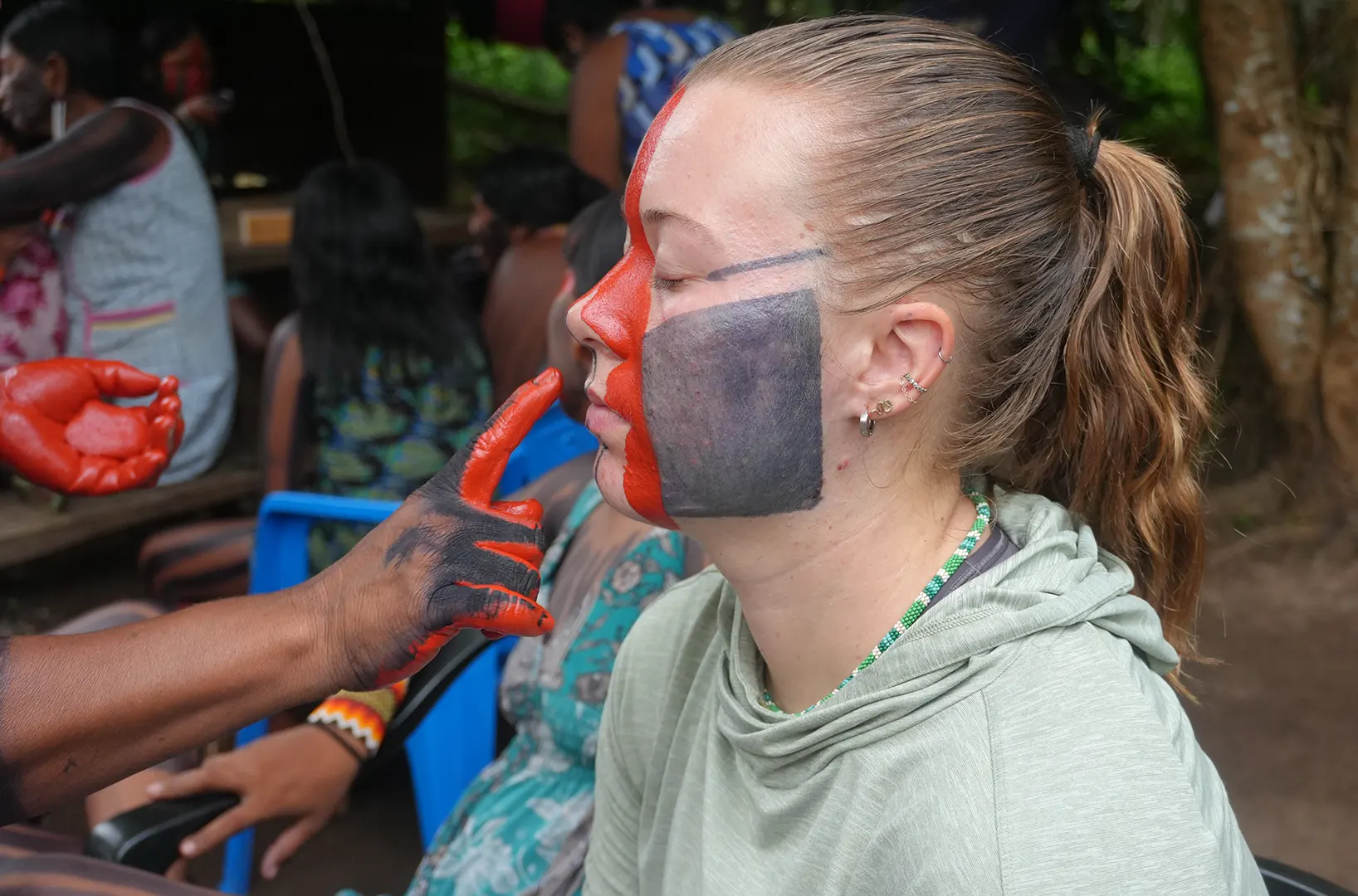
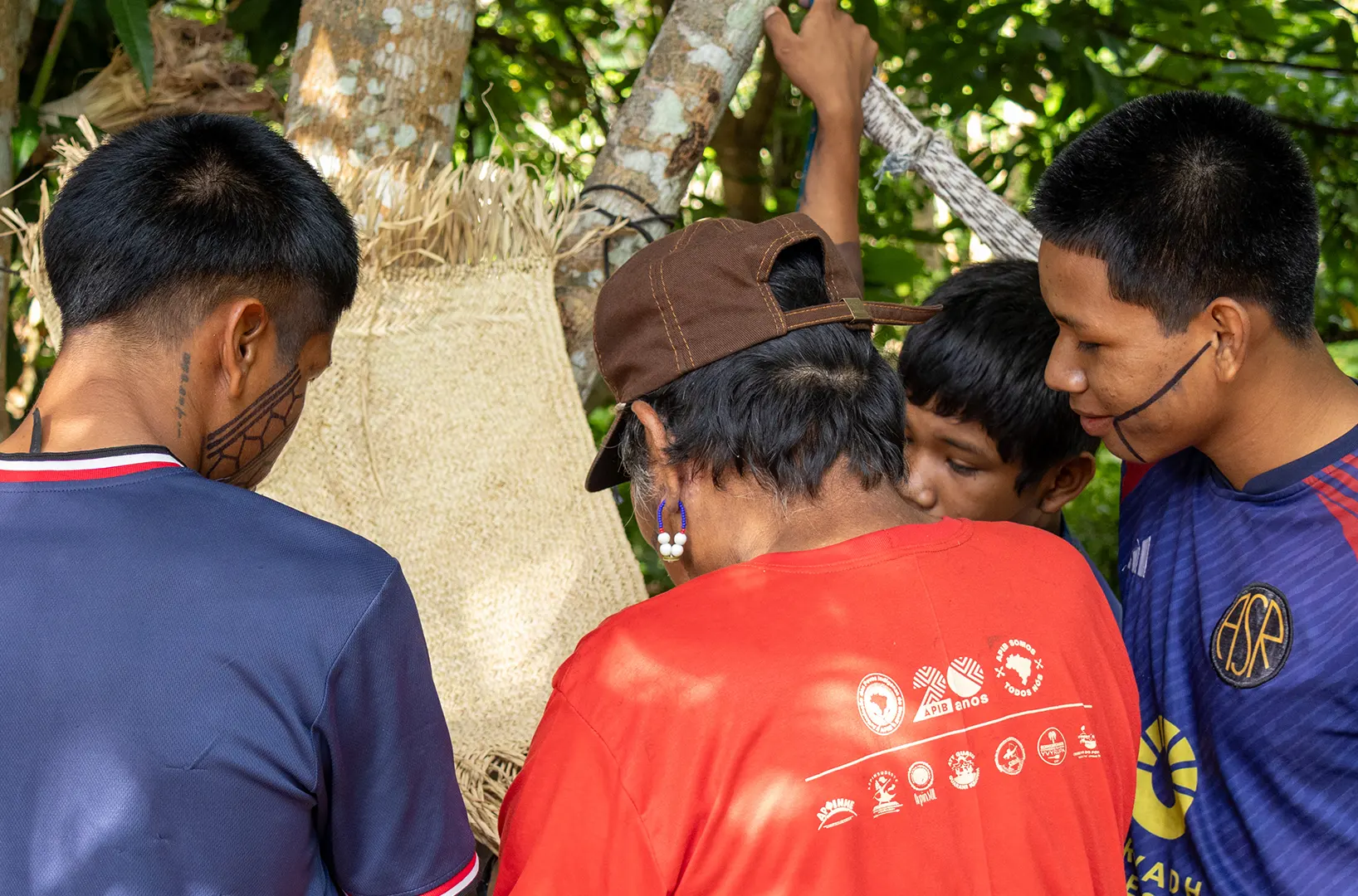
Getting painted with Urucum was a part of every morning before heading out into the forest.
After everybody got painted, our coordinator — or a returning student who knew how to use the cameras and camera traps — gave a brief lesson before we ventured into the forest, usually to a mud pit to install the traps. The elders led the group and pointed out animal paths or hotspots that would make good locations. The students verified that each camera had enough battery and a SIM card installed before deploying them on tree trunks, low to the ground.
Once everybody had their cameras installed, we headed back to camp to eat lunch and relax before the afternoon handicraft — usually the men doing one activity and the women another. The women might paint fabric with their traditional designs while the men wove baskets or other items. After dinner, the whole group might dance together under the stars or around a fire.
Ronko, the Piti tree, and the drones
In the morning we set out early — usually by boat, then on foot — to one of a variety of traditional sites. One was Ronko, an abundant grove of coco de babaçu, a delicious food that tasted a bit like coconut and was also used to make oil for hair or cooking. The grove was home to an enormous Piti tree where we would often do traditional dances and sing traditional songs.
There was also a nice clearing that was great for teaching the students how to launch and collect the drones. We would try to get an aerial view of the site and talk about why it was important and how drones can be used for territorial monitoring. The elders usually stuck to the back of the group, collecting plants and barks that might be useful as medicines or in that afternoon’s handicrafts — and if we came across an açaí tree, people took turns trying to climb it to cut down the fruits at the top.
Later, after lunch, the women would often bead, crochet, or prepare a traditional meal like Berarubu, while the men made a feather headdress or a wooden war club. At night, the whole group gathered by the fire as an elder told a traditional story. My favorite was the one about the man who fell in love with a woman in the stars, who eventually brought down all the good foods they enjoy eating today — manioc, pumpkin, and papaya.
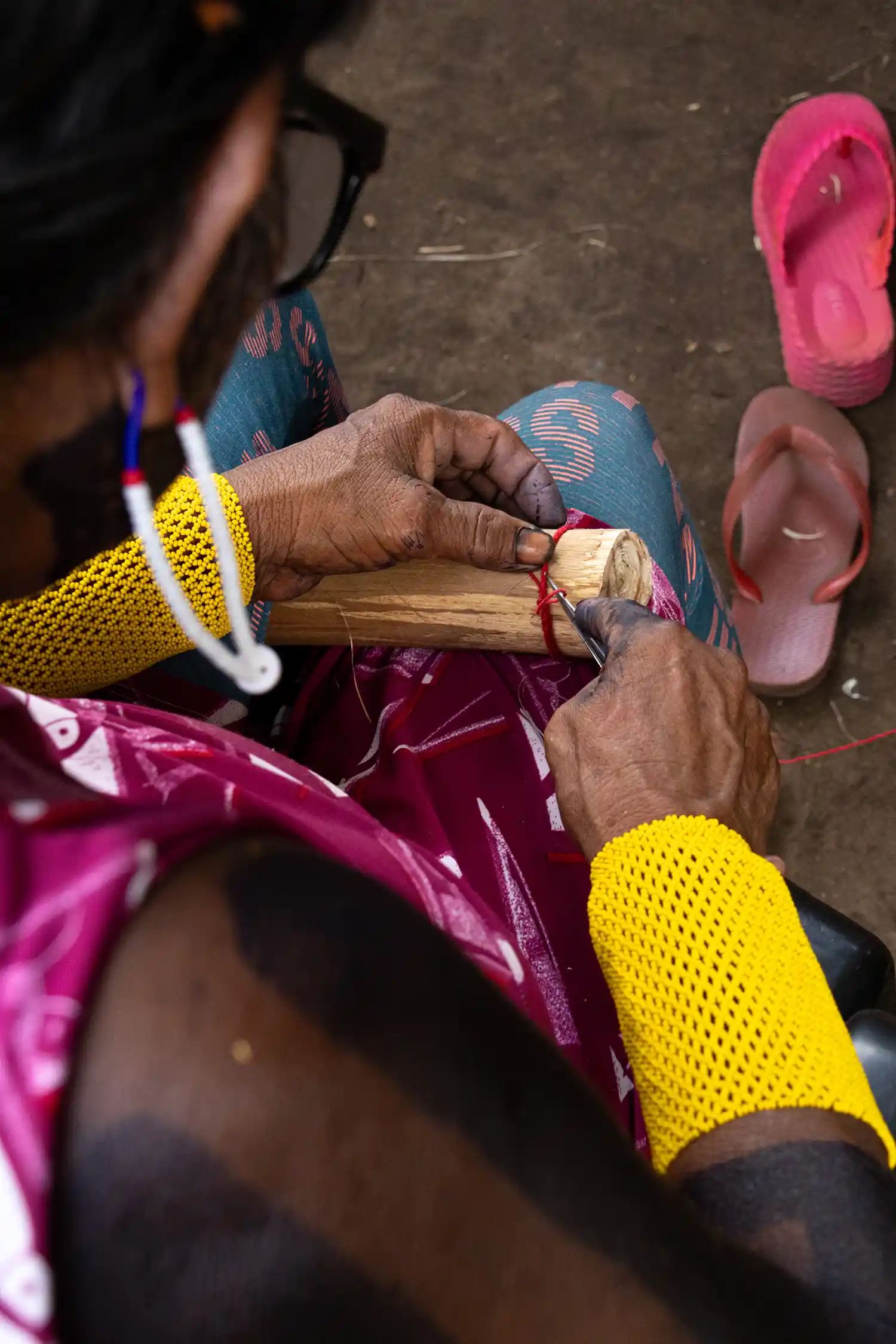
An elder teaching the girls how to crochet the traditional leg bands that the young children wear.
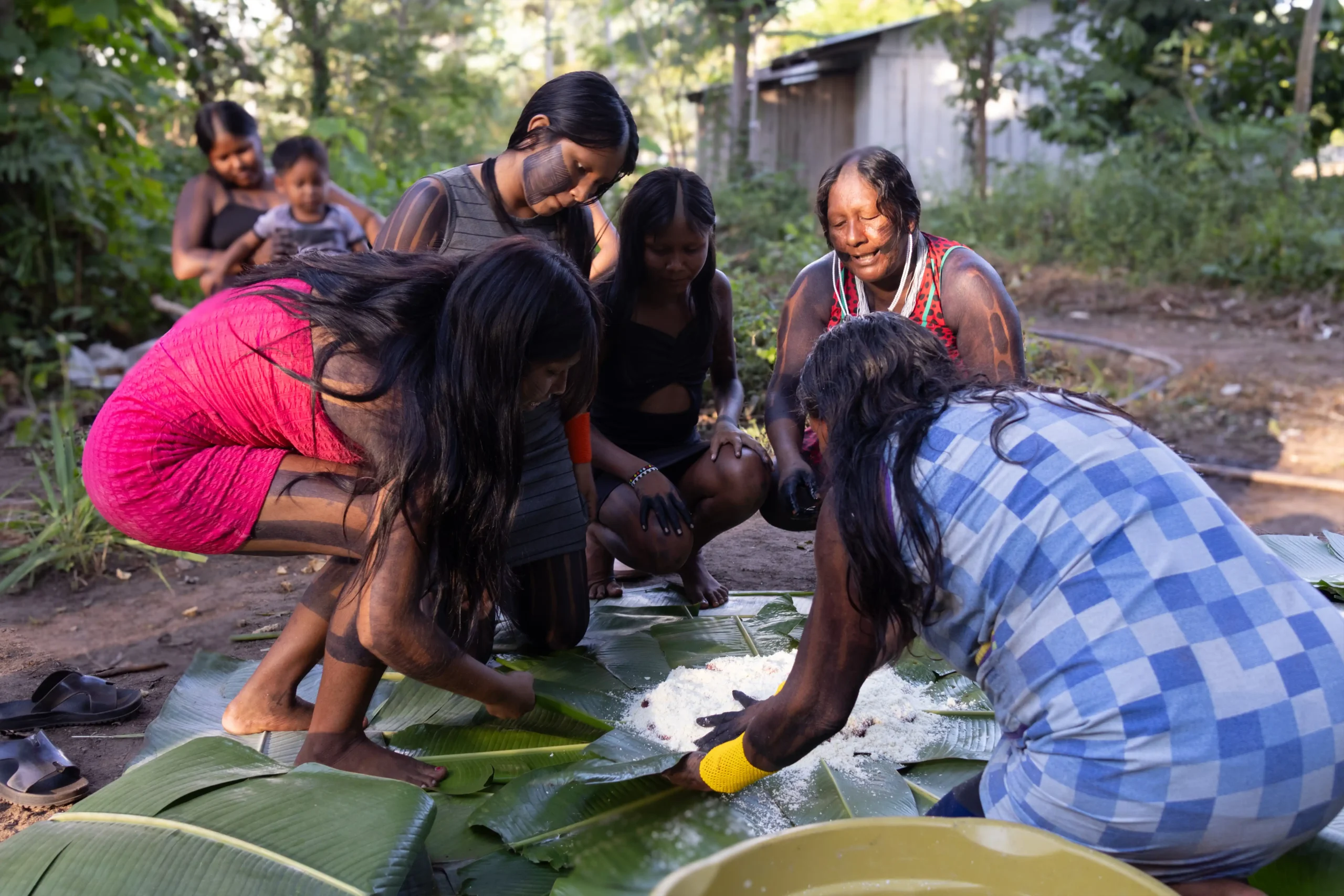
Berarubu in the making — manioc flour and meat folded into banana leaves, hands working together across generations.
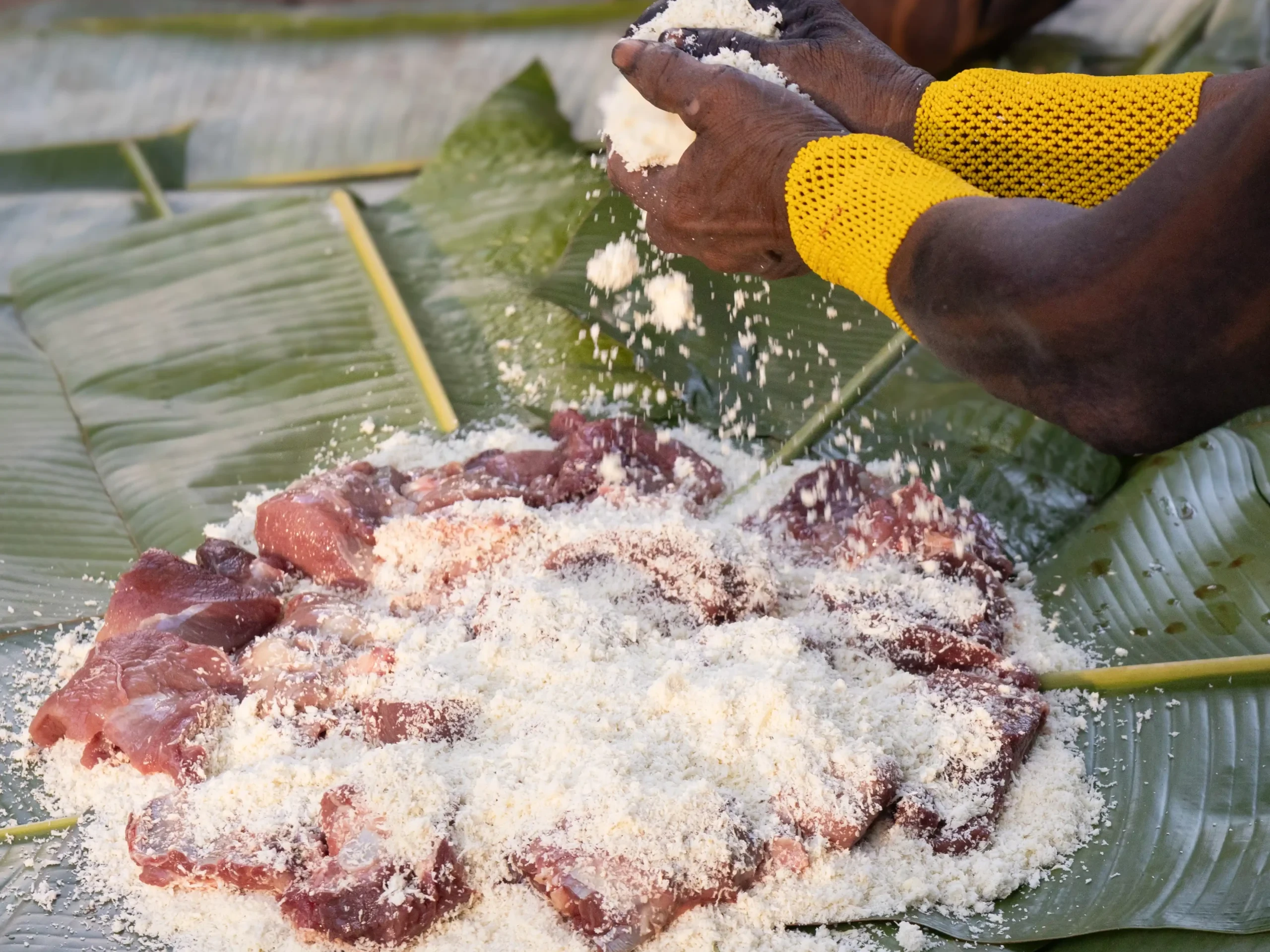
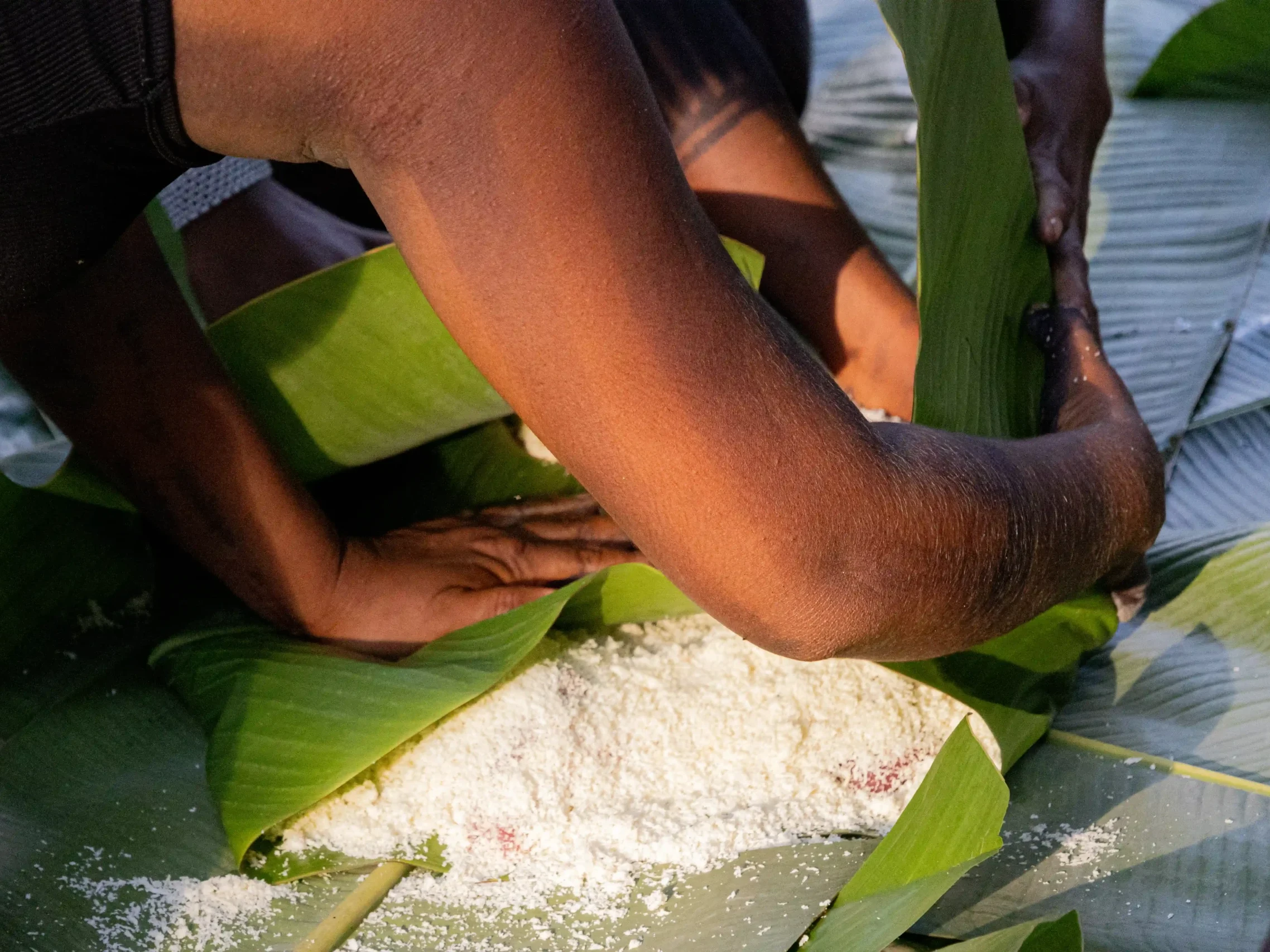
Layering and wrapping the parcel before it goes to the coals.
What the cameras caught
In the morning we set out to collect the camera traps from the first day, and everybody came back into camp itching to see the photos. We would pull them up on a laptop and the whole group gathered around to ooh and ahh at everything the cameras caught. It was exciting to see the biodiversity we captured in just four days — tapirs, anteaters, a variety of birds, and, surprisingly for me, deer similar to those I saw in my backyard growing up in Virginia.
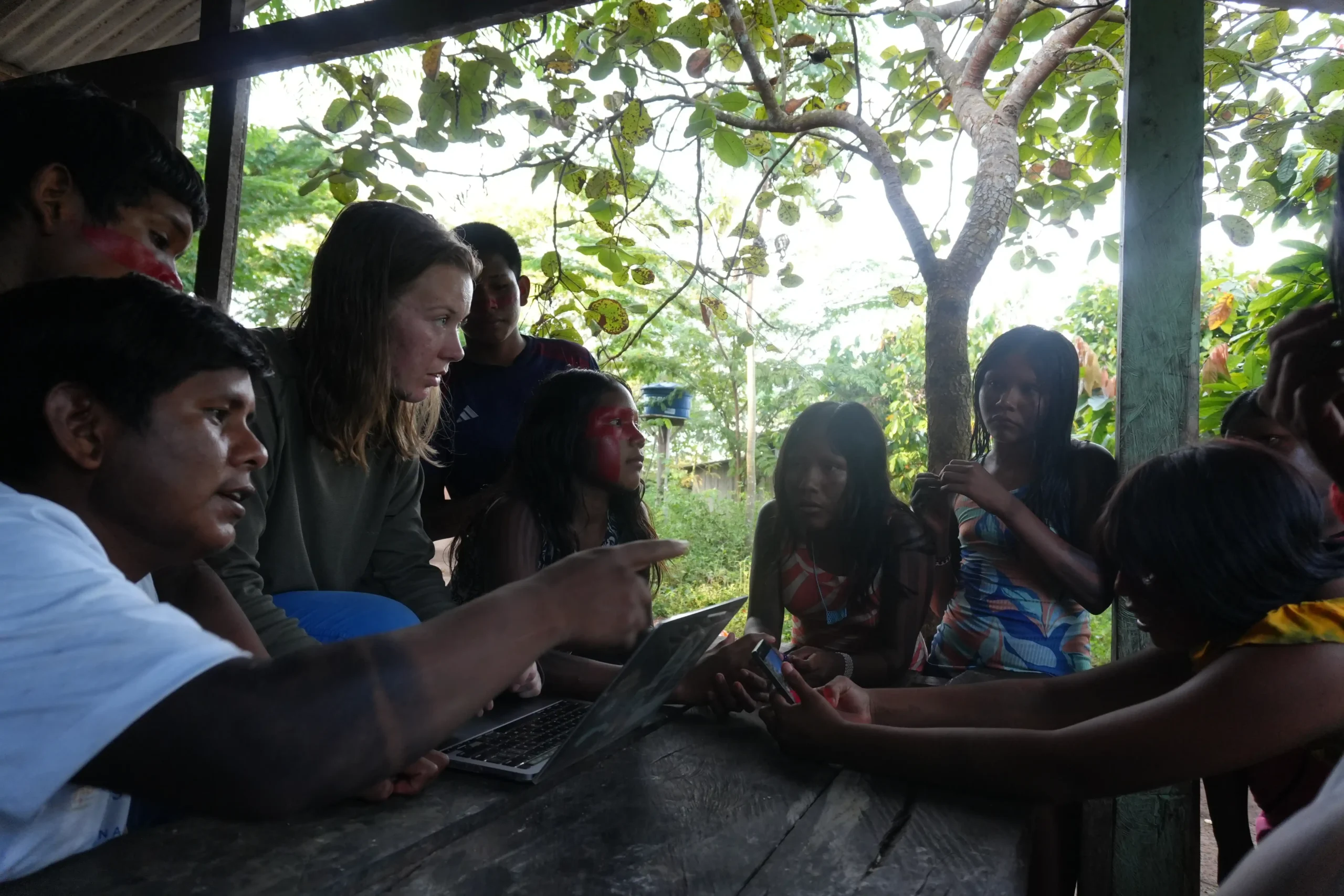
Registering students for the Forest School.
After coffee and breakfast, the group departed — and we reset for the next one.
What eight weeks held
Eight weeks of this schedule was a lot. A lot of personal growth, a lot of immersion within the Mebengôkre-Kayapó culture, a lot of time to practice speaking Mebengôkre, and a lot of opportunity to actually form relationships with the people whose association I had been working in for the past year.
The importance of this program is undeniable. The passing down of culture and tradition has stagnated — young women struggling to climb the açaí trees their grandmothers scale with ease, young men not knowing the words to their traditional songs.
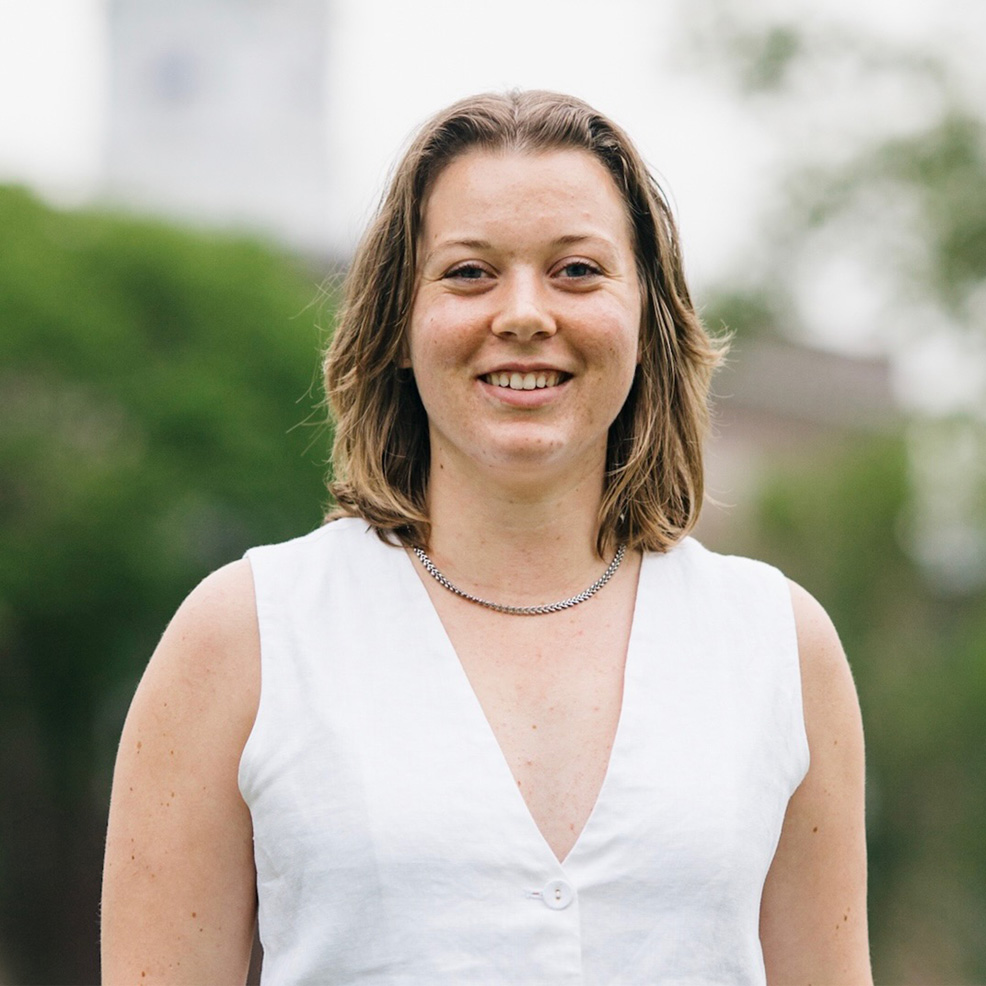
Indigenous-Led Conservation: Matt's Journey to Kayapo Territory
May 18–19 · Washington DC to Peixoto de Azevedo
I had the pleasure to participate in several institutional strengthening and governance meetings with two partner Kayapo associations, the Instituto Raoni and Instituto Kabu. My IR meetings took place at their headquarters in Peixoto de Azevedo and IK during their annual general assembly in the village of Pykany.
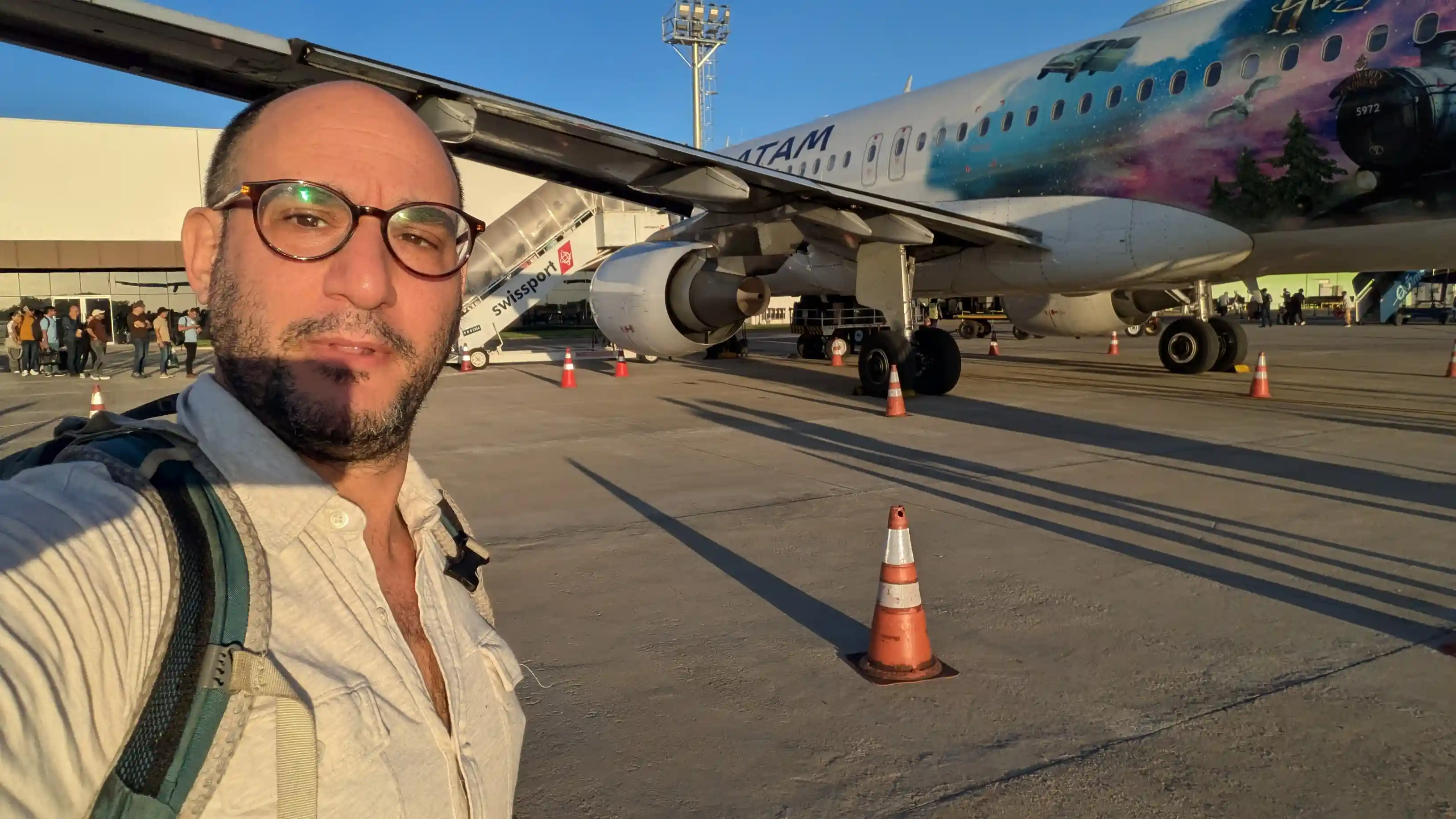
Traveling to these meetings is not easy. First, I connected on a series of flights from DC → Panama → Brasilia, where I was able to meet (and rest) briefly with Dr. Adriano Jerozlimski, Director, Kayapo Project in Brasil.
The Journey Begins
Early the morning of May 19, I flew to Sinop, a medium sized city in the state of Mato Grosso, the heartland of the Brazilian industrial agricultural sector, where I met my uber driver Andre and we headed north on the BR-163, the “Soybean Highway.” 4 hours and 200km later, we arrived in Peixoto de Azevedo. Along the road, corn pellets flew from the back of large trucks and battered the windshield of the Chevrolet Montana. In Peixoto, gold mining is 90% of the economy and statues all over the town pay tribute to the economic past time:
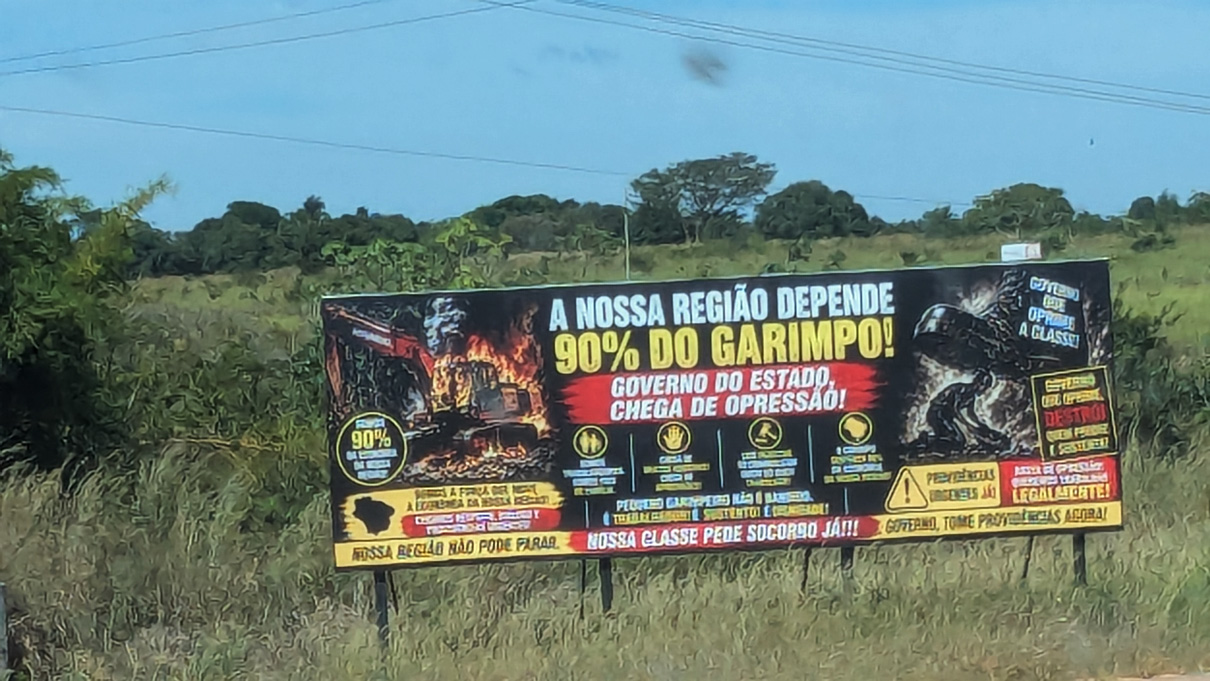
A billboard on the edge of town addresses the gold-mining debate.
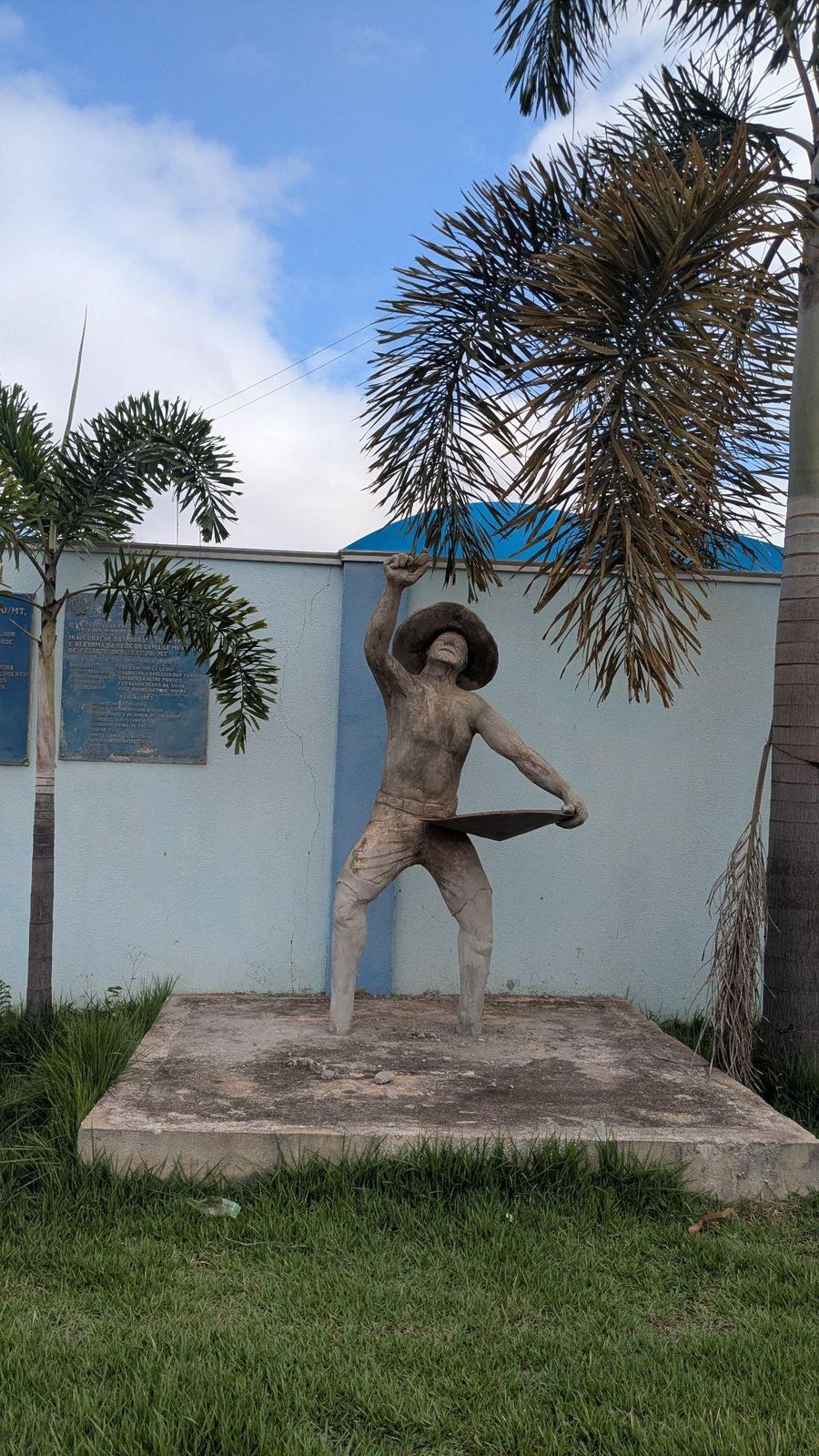
A statue honoring the garimpeiro, the local gold prospector.
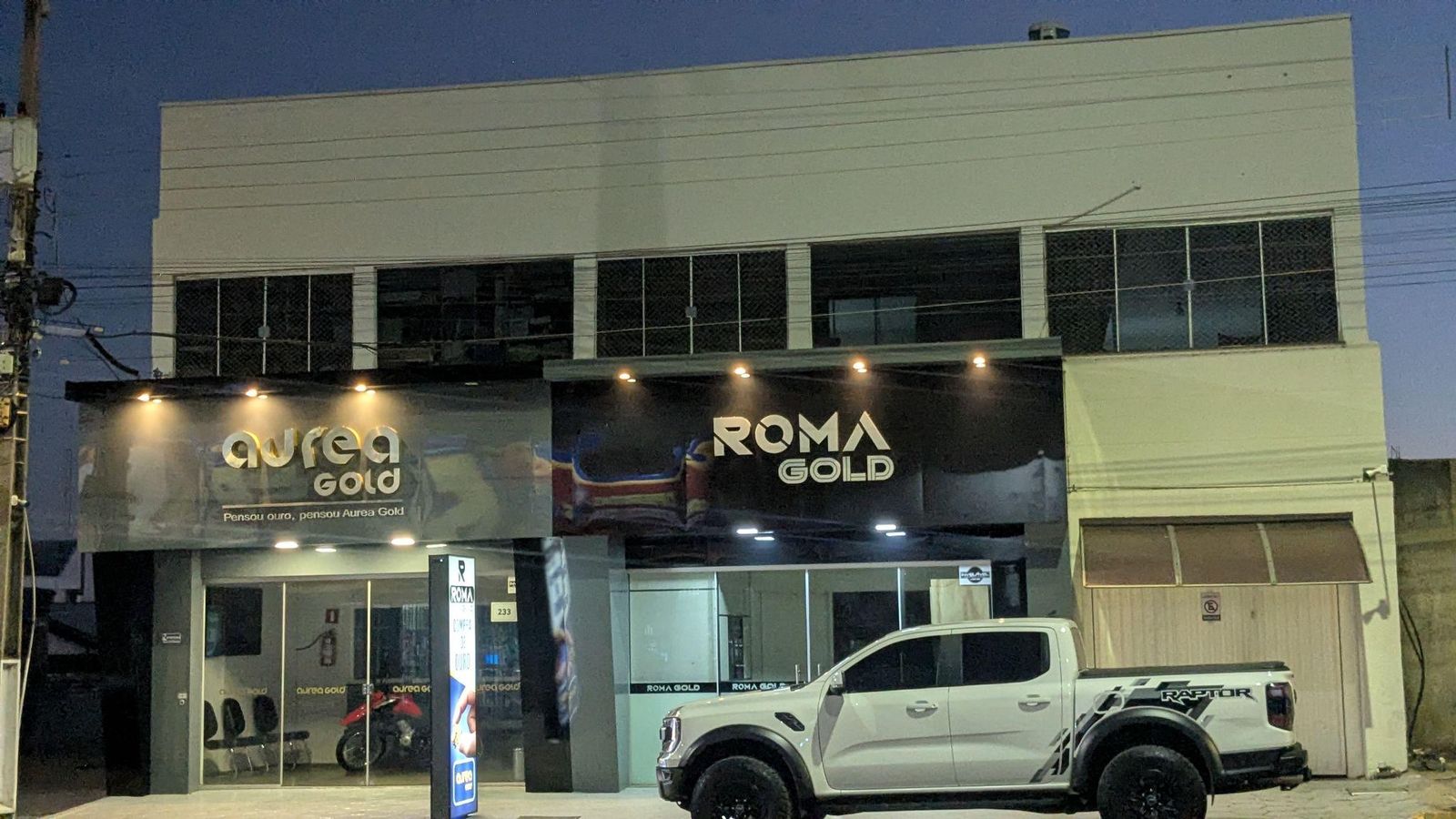
Gold-buying storefronts light up downtown at dusk.
That afternoon, the Instituto Raoni was unable to meet. Cacique Raoni had fallen ill and they were meeting with his team of doctors to arrange for the best possible treatment. We made arrangements to meet the following day in the office.
May 18–19 · Washington DC to Peixoto de Azevedo
Meeting the Instituto Raoni
The Instituto Raoni is a small building off the BR- 163. The offices and rooms inside are organized by department. There is a room for the executive team, the communications team, the finance team, the women’s department and the bioeconomy and sales team. I spent my first day with IR meeting the team and co-working with the Bioeconomy and sales team. For me, this was a special moment. I started working with the Kayapo in 2014 and joined the Kayapo Project team in 2023. These were my first minutes with IR outside the pressure of an assembly, budget, or project meeting. Having some informal time to be present with the team, get to know the personalities, hobbies, and spaces they navigate will be incredibly helpful as we continue to work together and collaborate.
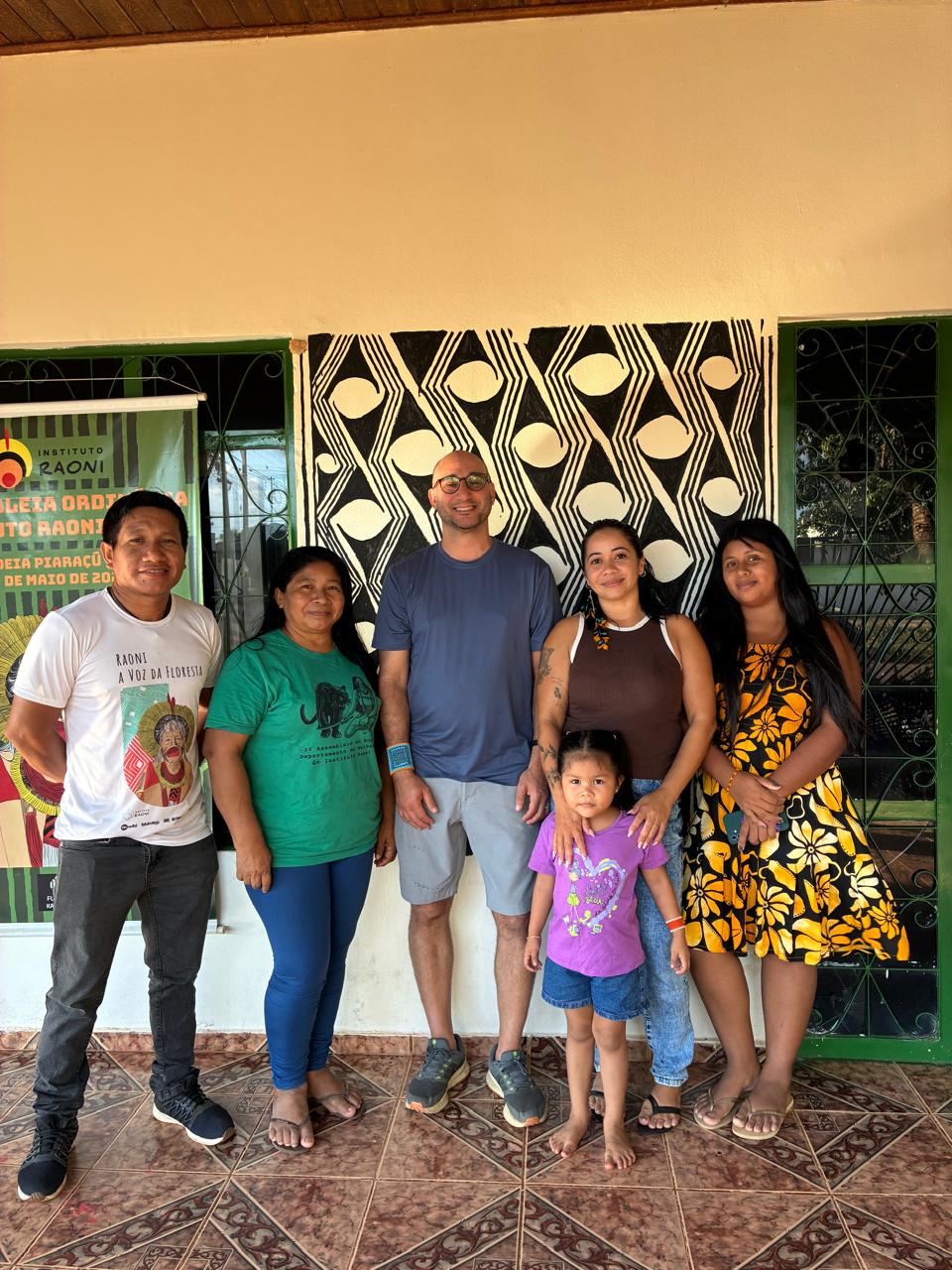
At IR with bio economy and women's departments
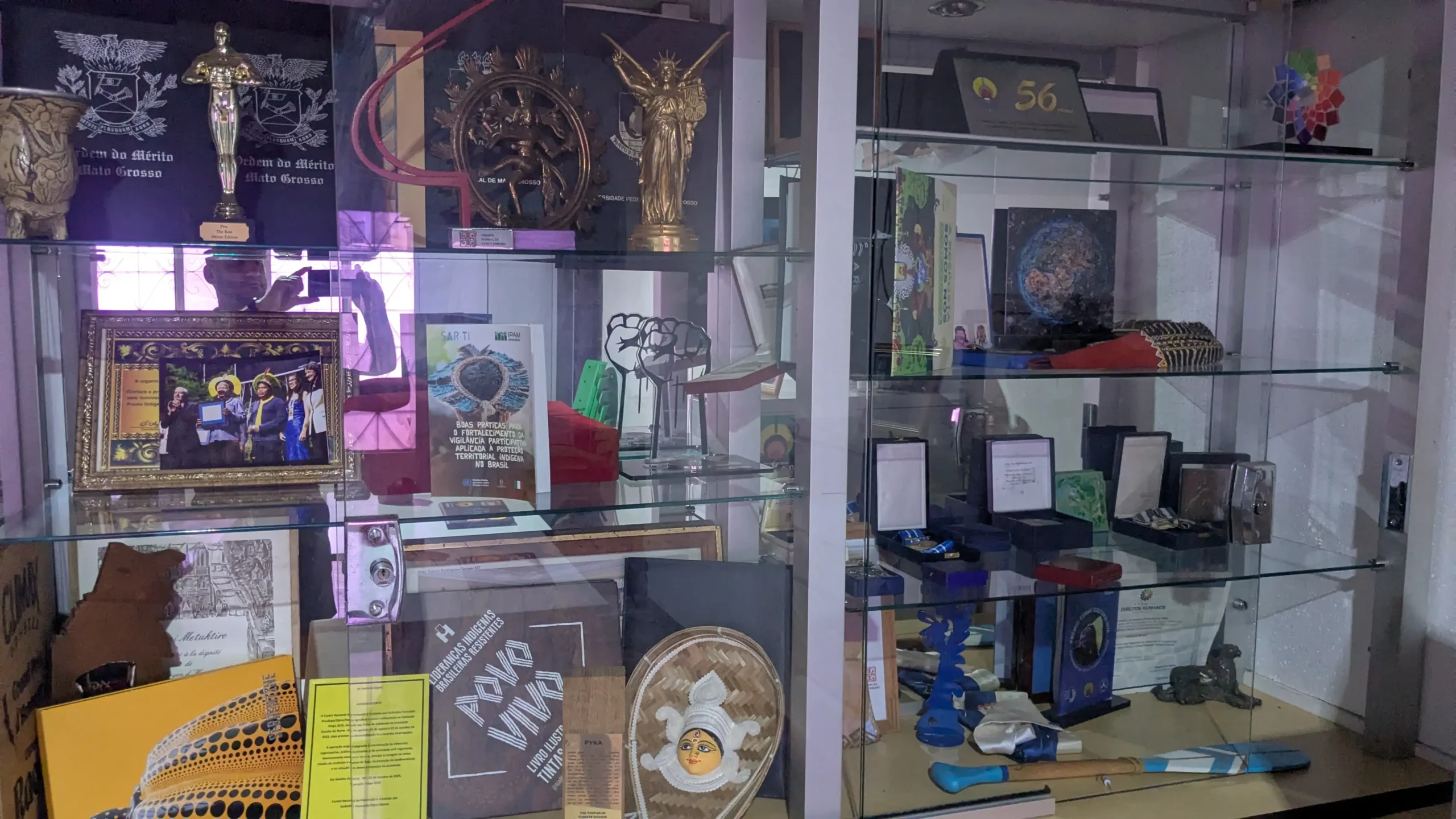
A trophy case inside the Instituto Raoni headquarters.
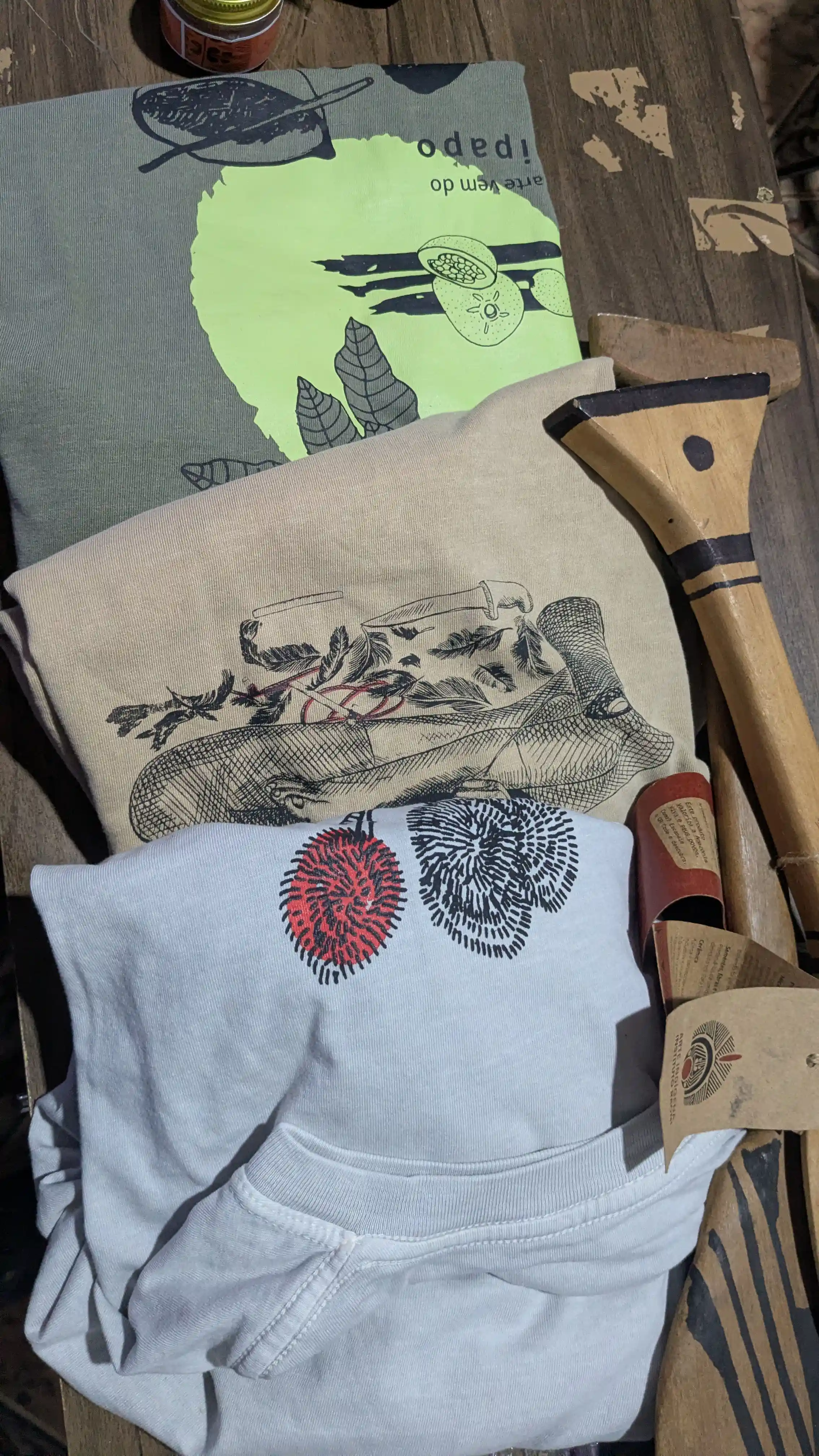
Products from IR’s bioeconomy and sales department.
I worked with the IR team for the next three days, spending time in conversation and at lunch with the finance and executive teams, discuss how we can best support IR’s territorial and cultural conservation initiatives, how to improve dialogue and process, and also sharing ideas around future initiatives with the IR such as the Kayapo Forest School, currently in operation along the Xingu and Riozinho Rivers.
On Friday May 22nd, the whole team was in the office and I gave a short presentation on Biome Conservation, The Kayapo Project in general and a few of the initiatives I work on such as the forest school, field course, and a media at the guard posts. The leadership team and others who had just returned from the Pykany village, where I would be headed in a few days, joined me. To round out my visit, I had a chance to visit with Cacique Raoni, thank him for his leadership, and wish him a speedy recovery.
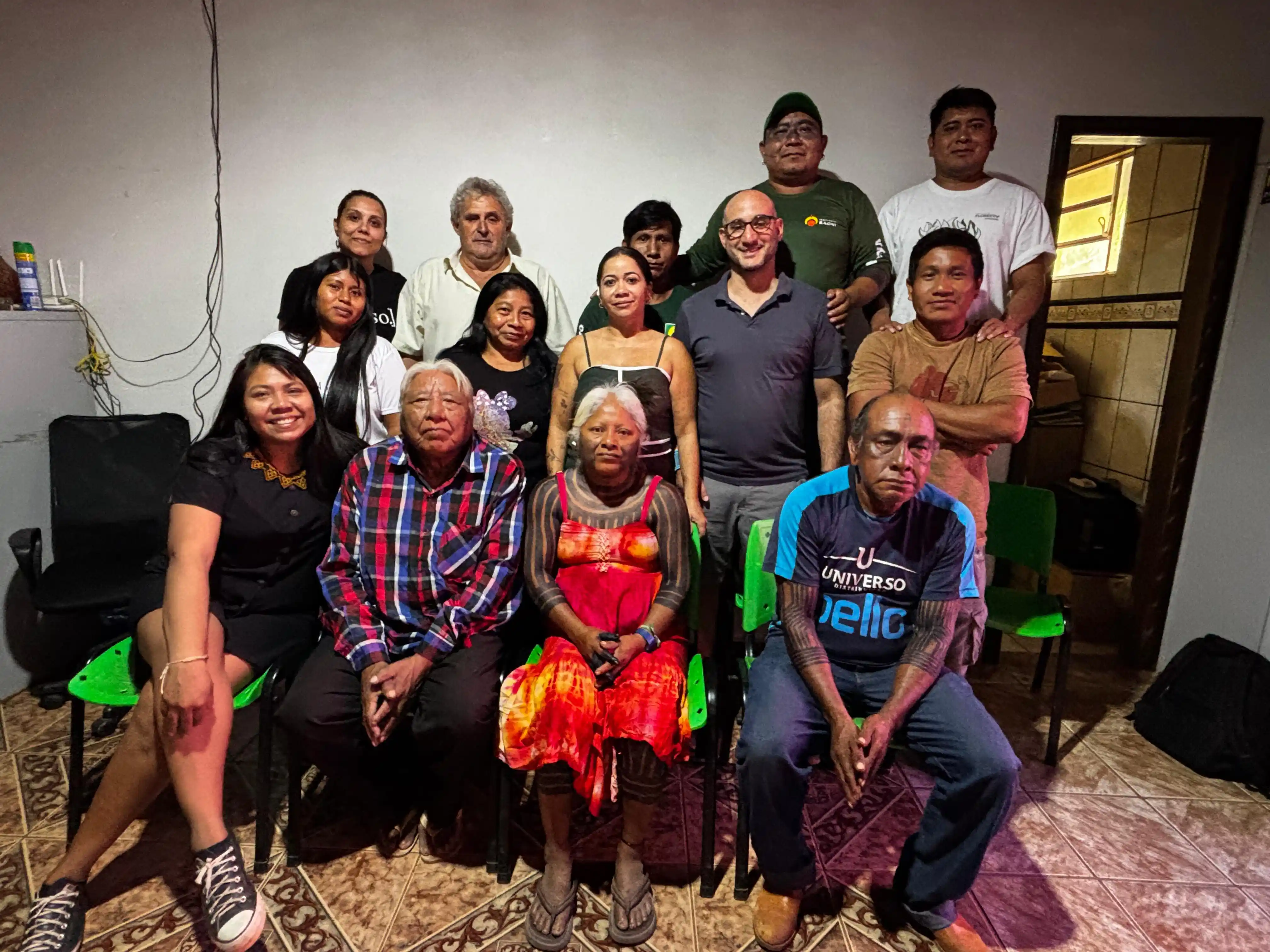
With the IR team and Kayapo leaders in Peixoto de Azevedo.
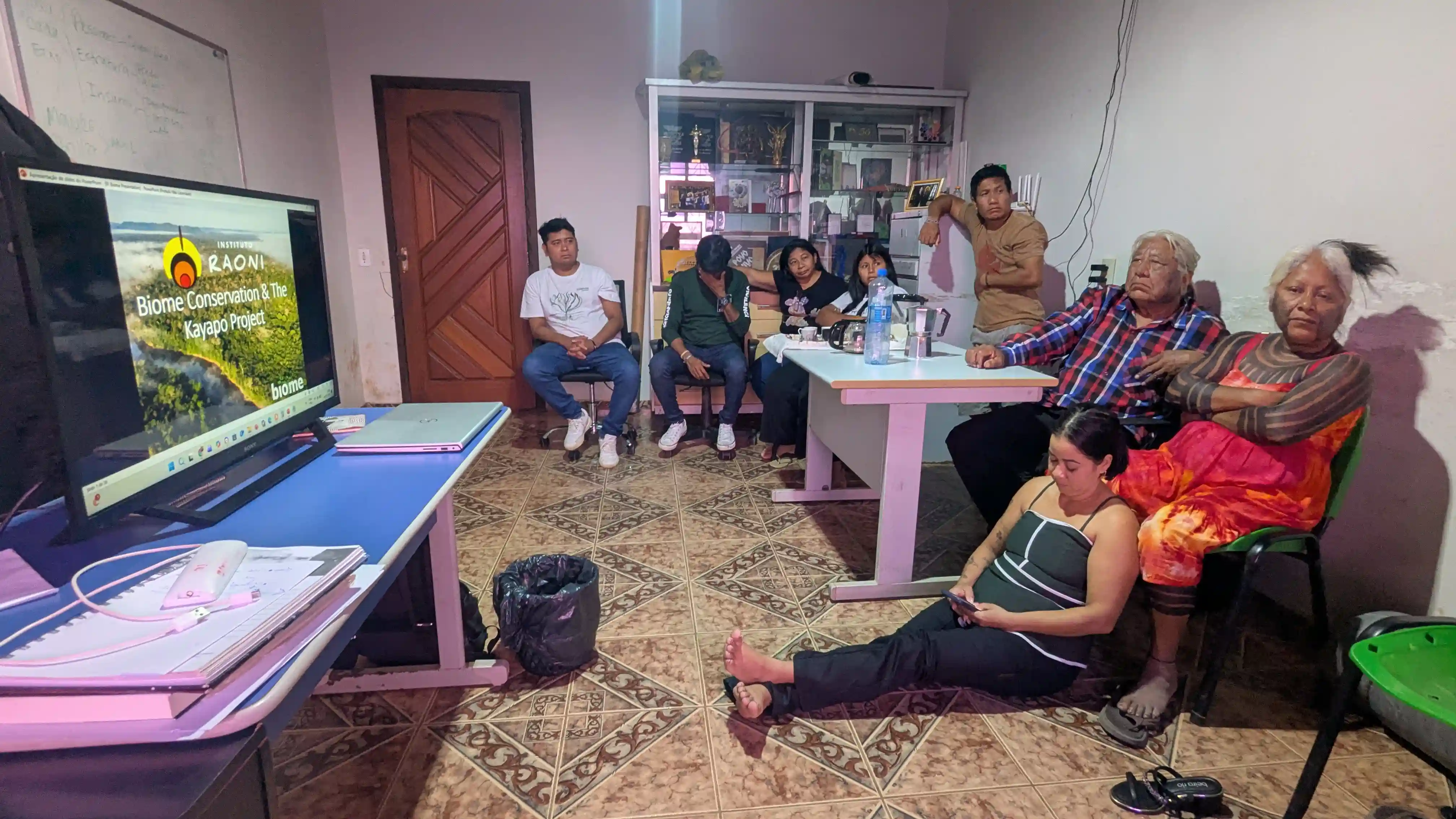
Presenting on Biome Conservation and The Kayapo Project, with Cacique Raoni in attendance.
The Road to Pykany | BR-163
From Peixoto to Pykany
From Peixoto I was back on the Soy highway, this time traveling with Brasilia-based Kayapo project colleague Igor Richwin Ferreira toward the village of Pykany for the annual assembly of the Instituto Kabu. 250 km later, we arrived to the town of Castelo dos Sonhos, historically a hotbed of deforestation activity.
Concerned about driving through the forest at night to Pykany, we stayed in a hotel. In the morning, we met up with colleagues from the Instituto Socioambiental and began the journey from the town to the forest, watching the landscape change from dusty frontier town to ranchlands to close canopy forest. Along the way, we stopped for coffee and conversation at one of the 19 Kayapo Guard posts, navigated a precarious wooden bridge, and passed through a set of small villages along the dirt road to Pykany in the heart of the TI Menkragnoti.
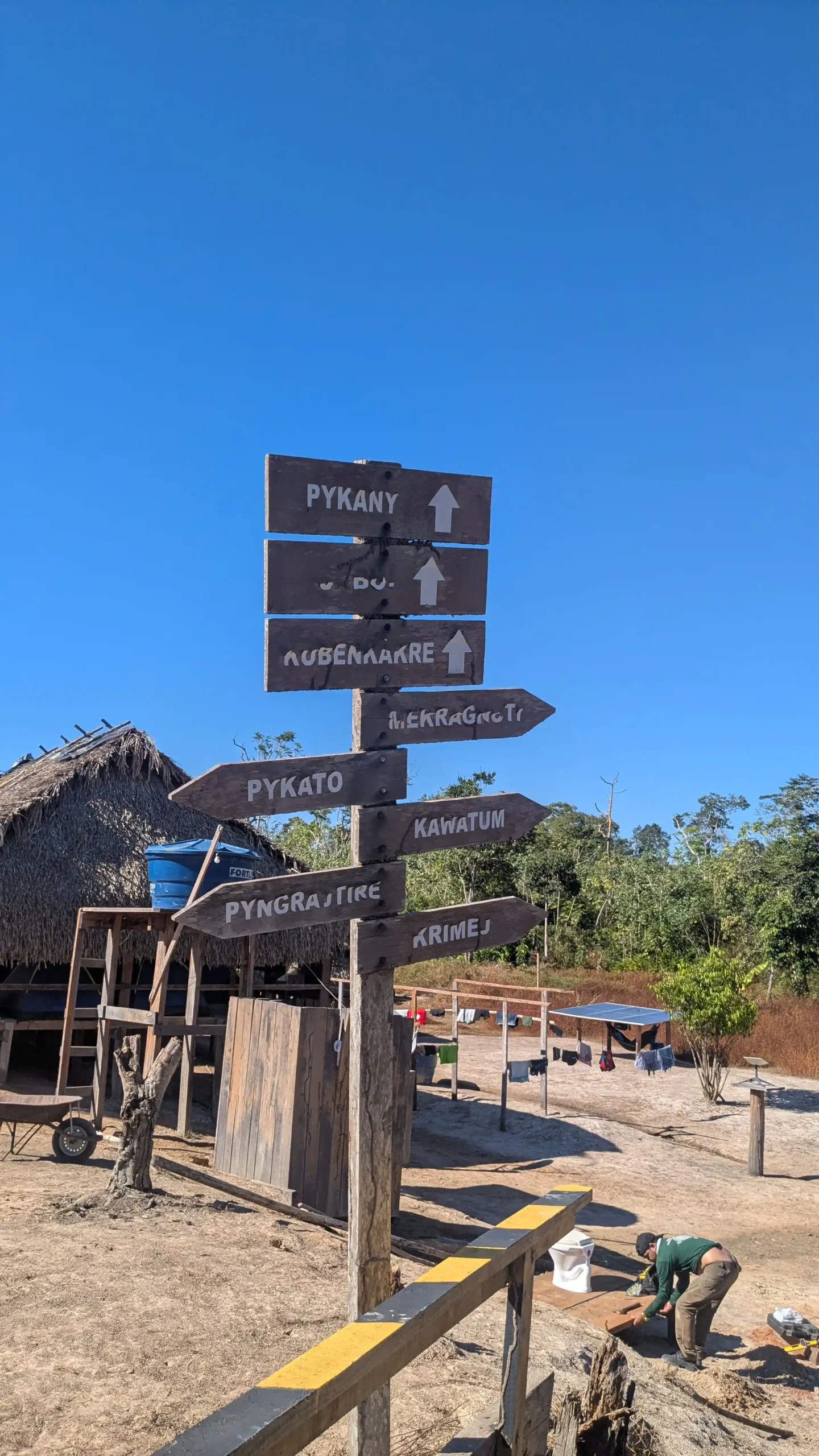
A signpost marking the villages along the route, Pykany included.
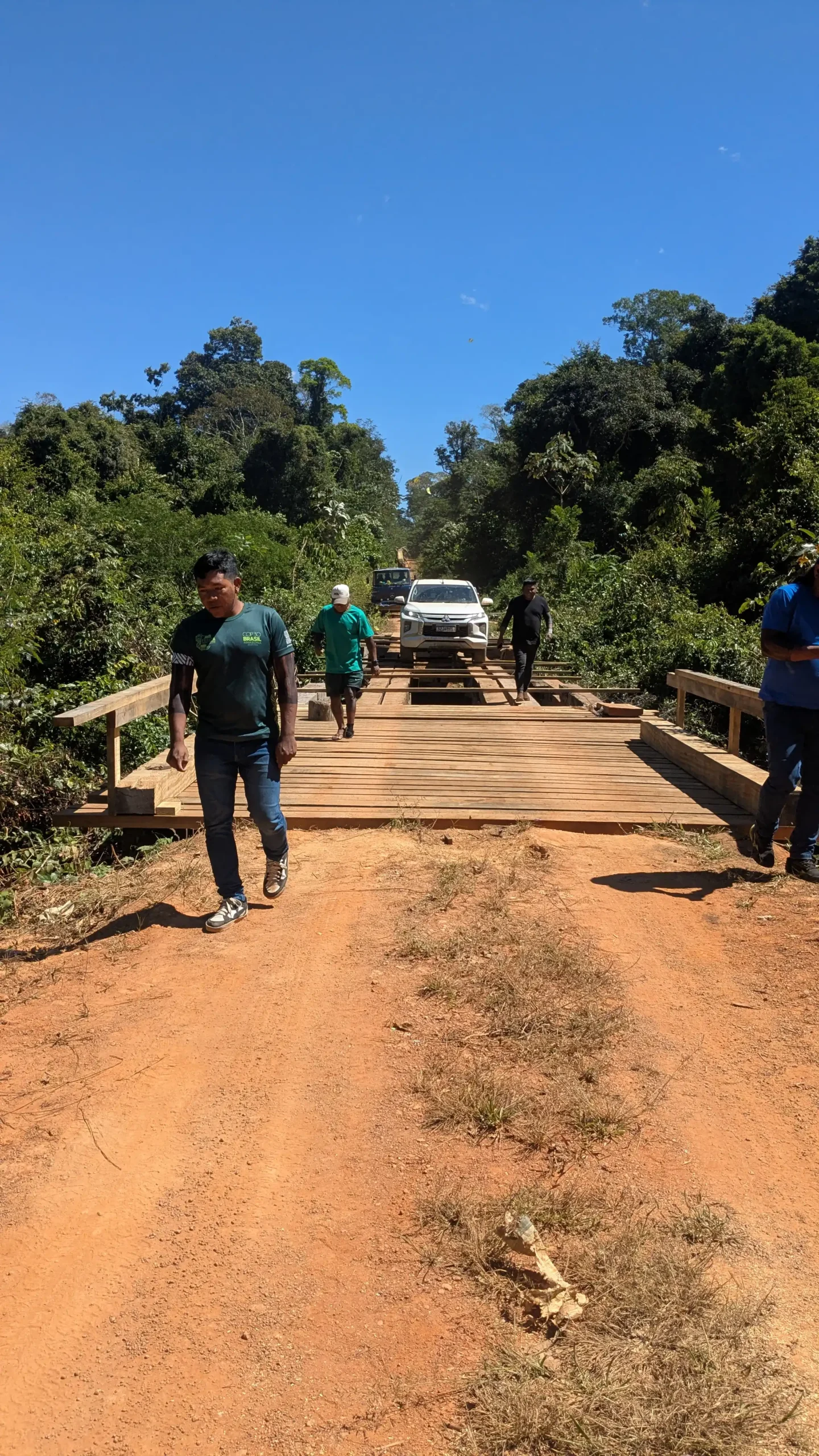
Crossing one of the precarious wooden bridges along the way.
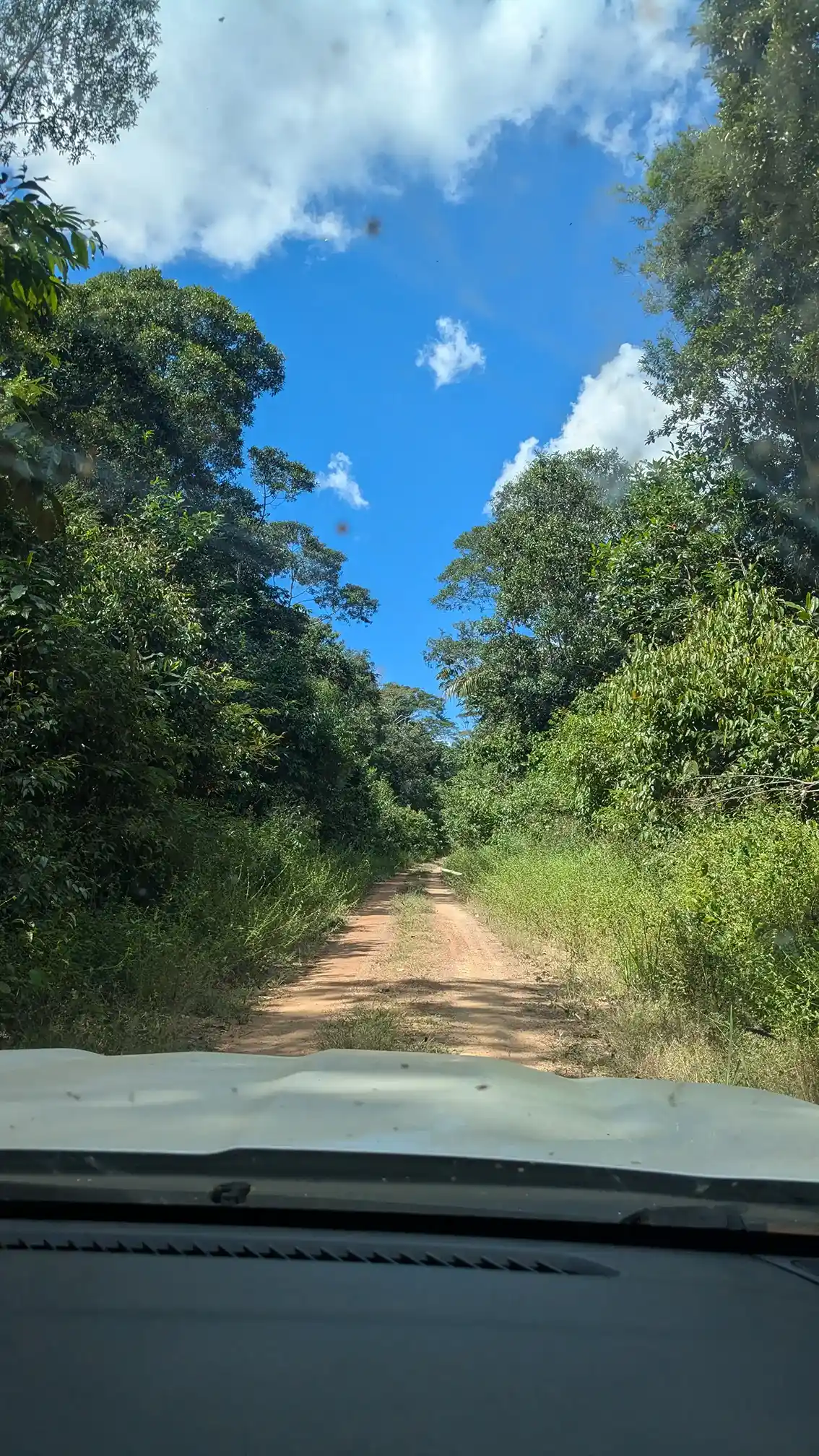
The landscape closes into dense canopy forest en route to Pykany.
Pykany Village I TI Menkragnoti
The Instituto Kabu General Assembly
The general assemblies are an opportunity for the leadership of the represented communities to come together to learn about the previous year’s activities, deliberate, discuss and approve the budget and activities for the coming year. It is also one of the only times that all the Kayapo leadership is in the same place at the same time with their external collaborators. These events are a unique opportunity to absorb the full spectrum of Kayapo initiatives, particularly those that sit outside the portfolio of Biome and the Kayapo Project. I met IK leadership, community leaders, and institutional peers to discuss ways we can all work together toward the mission of Kayapo territorial and cultural protection.
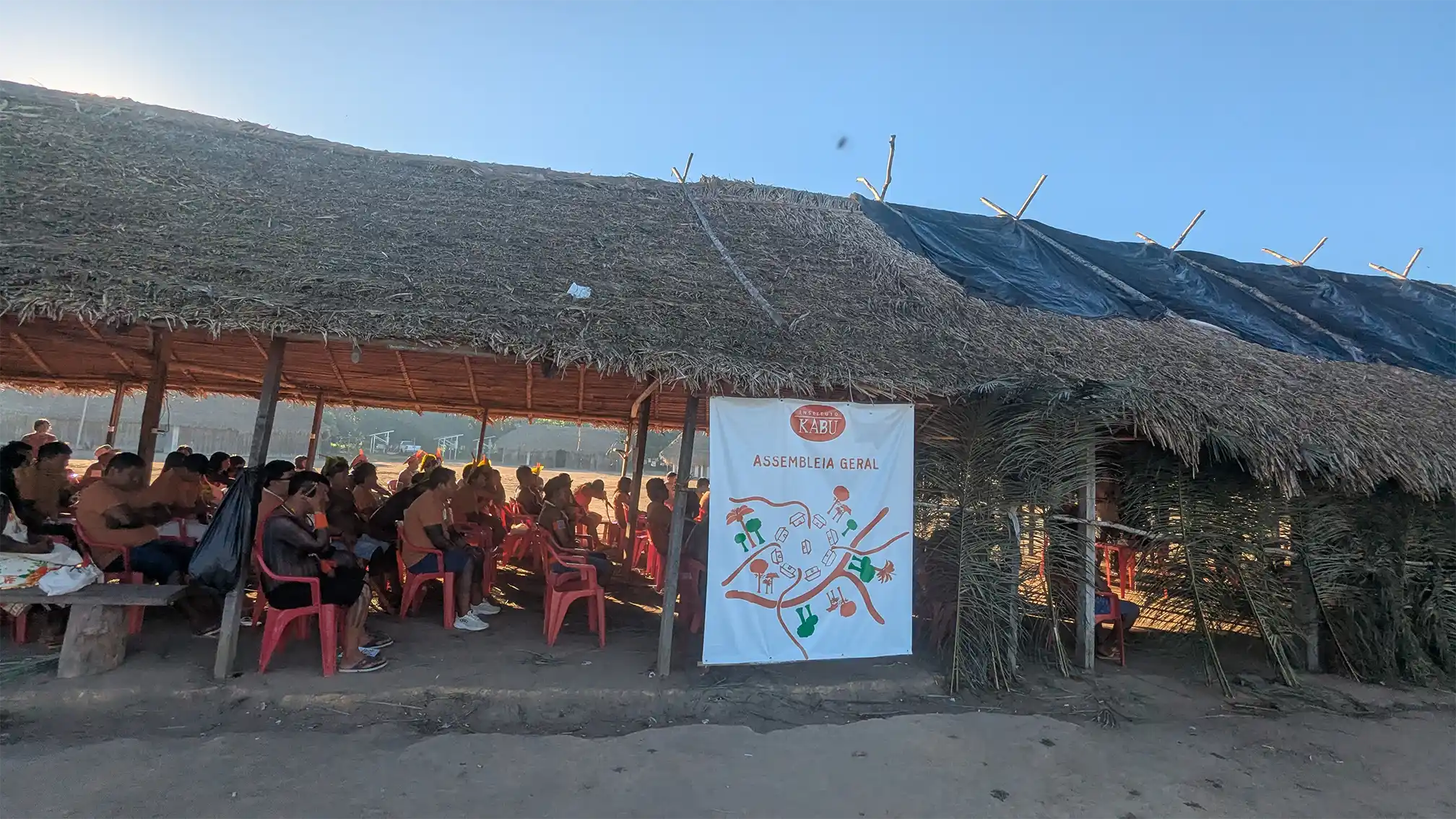
During the meeting, I presented to a large audience of Kayapo chiefs, once again sharing the work of Biome and the Kayapo Project including the territorial monitoring and surveillance program, the Kayapo Forest School, and opportunities for tourism and exchange with IK communities. My presentation was reinforced by Patkore and other representatives from the Protected Forest Association, who added details and cultural clarifications to my conversation. I am pleased to say that the Instituto Kabu has approved the implementation of the Kayapo Forest School in 2027 to complement their other initiatives.
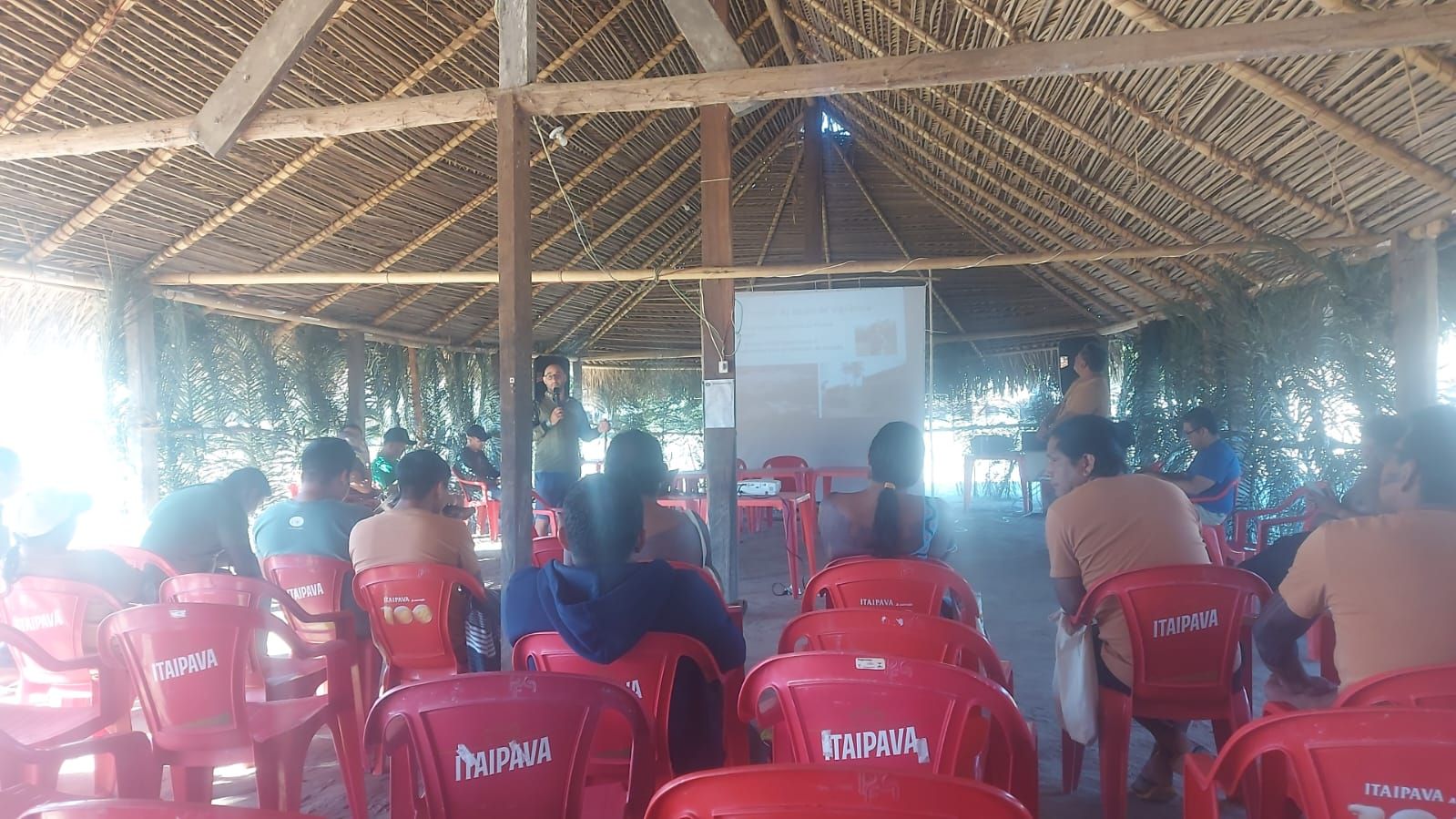
Presenting Biome and Kayapo Project initiatives.
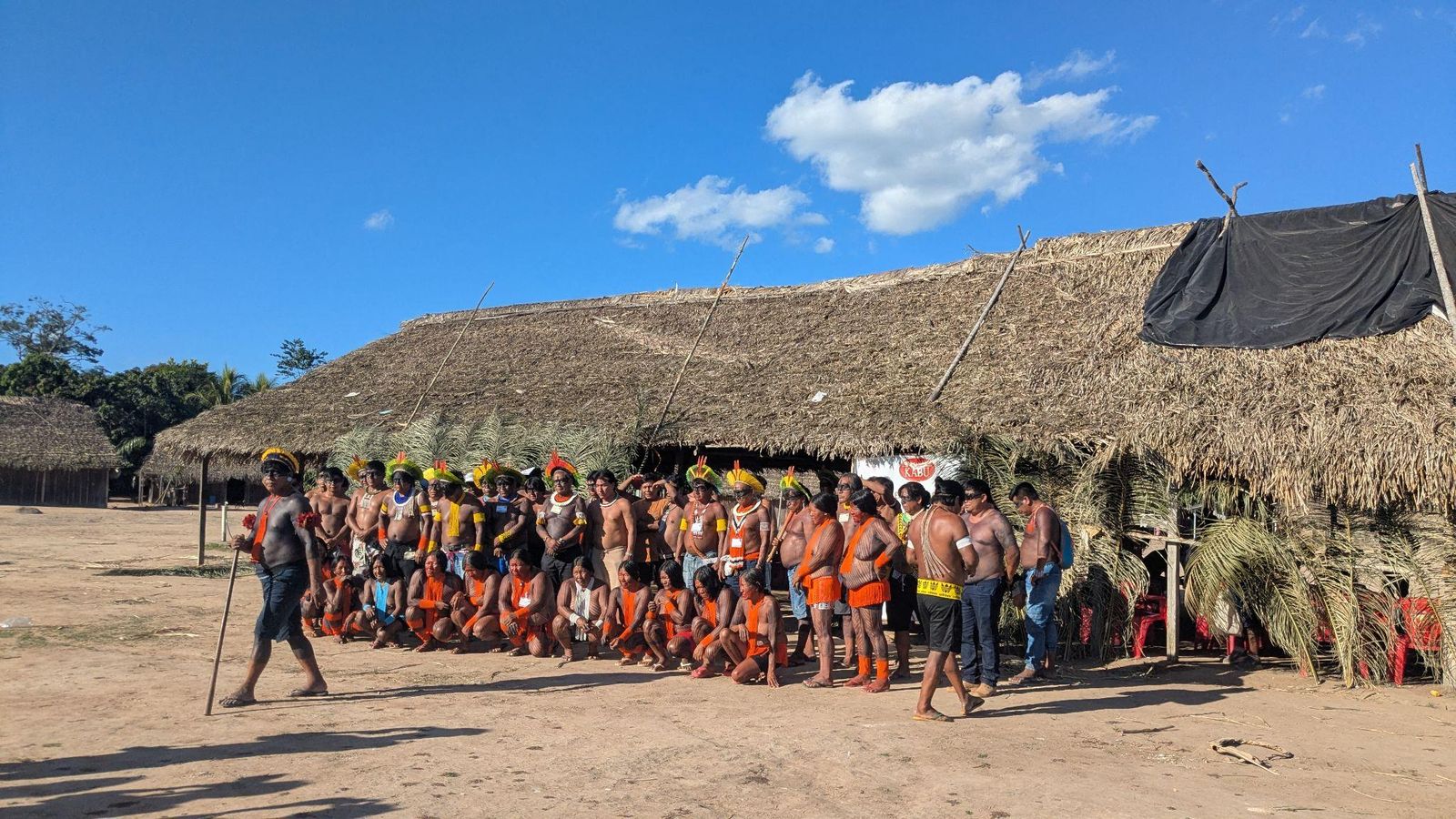
Kayapo leaders gathered in full traditional dress for the assembly.
May 30 | The Journey Home
Reflections on The Road Back
It takes three days to get home. First a long drive back from the forest to Castelo dos Sonhos. Then, the full 450km return trip, once again having the truck assaulted by fragments of corn and soy along the BR-163. A night in Sinop followed by planes from Sinop→Brasilia→Panama and finally Washington DC. Over the three days I was struck by a few important concepts:
The Kayapo Project is Indigenous-led Conservation
It is the Kayapo and their representative association who are implementing the programs, taking the risks, and putting in the hard work. Our job must be to leverage our positions to amplify their stories and provide the necessary support for success.
The Kayapo Project is a vast local → global ecosystem of collaboration and projects.
Not just in my visits, but also in the stories of our Kayapo collaborators. While I was there, I met a colleague from Greenpeace who was arranging a trip for Kayapo representatives to visit Europe for support. In the past, I’ve met folks from the German Embassy, Conservation International, Re:wild and other peers working to support the Kayapo. The work also covers a full spectrum of activities from sewing and artisan projects to environmental reviews of the potential train that may run alongside the BR-163.
The Kayapo are uniquely threatened and conservation can only go so far.
The regional economies are overwhelmingly anchored in intensive, extractive activities such as mining, logging, and agriculture. Without providing alternative economic activities to the Kayapo and their Brazilian neighbors, the threat on Kayapo lands will persist.
The Kayapo Project Team is an incredible, international, intercultural group.
Every time I visit the Kayapo Project partners, I am in awe of the intercultural and professional skills of our Brazil-based colleagues who work day (and night) in and out to ensure that the projects move forward. Their phones are an endless stream of voice notes and messages with an infinite set of demands and questions.
– Matthew Aruch
Support the Kayapo
For more information or to support the Kayapo, please contact Matthew Aruch